









Featured Post
Maintaining Your Futon Furniture: A Comprehensive Guide to Futon Care
Overview: Why Futon Care Matters
Futons are versatile, stylish, and space-saving pieces of furniture that serve as both beds and sofas. Proper care ensures they stay comfortable and look great for years. Whether you're a new futon owner or looking to refresh an old one, this guide shares practical tips for maintaining your futon furniture. From cleaning to assembling futon furniture easily, we’ll cover everything you need to know.
Understanding Your Futon: The Basics
A futon is more than just a piece of furniture; it’s a lifestyle choice for those who value flexibility. I remember my first futon in a small apartment—it doubled as my couch and guest bed, saving space and money. But without proper care, futons can wear out quickly. They come in various types, from traditional cotton-filled models to modern foam-core designs. Each type requires specific care to maintain its shape and comfort.
To start, check your futon’s materials. Cotton futons are breathable but prone to flattening, while foam or hybrid models offer more support but may need regular flipping. Knowing your futon’s construction helps you tailor your maintenance routine. For example, my cotton futon needed frequent rotation to avoid sagging, while a friend’s foam model stayed firm with less effort.

Cleaning Your Futon: Simple Steps for Longevity
Regular cleaning is key to maintaining your futon furniture. Dust, dirt, and spills can degrade the fabric and filling over time. Start by vacuuming the surface weekly to remove dust and pet hair. I use a handheld vacuum with a brush attachment—it’s quick and effective. For deeper cleaning, check the manufacturer’s label for specific instructions.
Most futon covers are removable and machine-washable, but always use a gentle cycle and cold water to prevent shrinking. If your cover isn’t removable, spot-clean with a mild detergent and warm water. I once spilled coffee on my futon and panicked, but dabbing with a mix of water and dish soap saved it. Avoid soaking the mattress, as excess moisture can lead to mold. For more detailed cleaning tips, Cornell University’s guide on fabric care offers excellent advice on handling delicate materials.
Protecting Your Futon from Wear and Tear
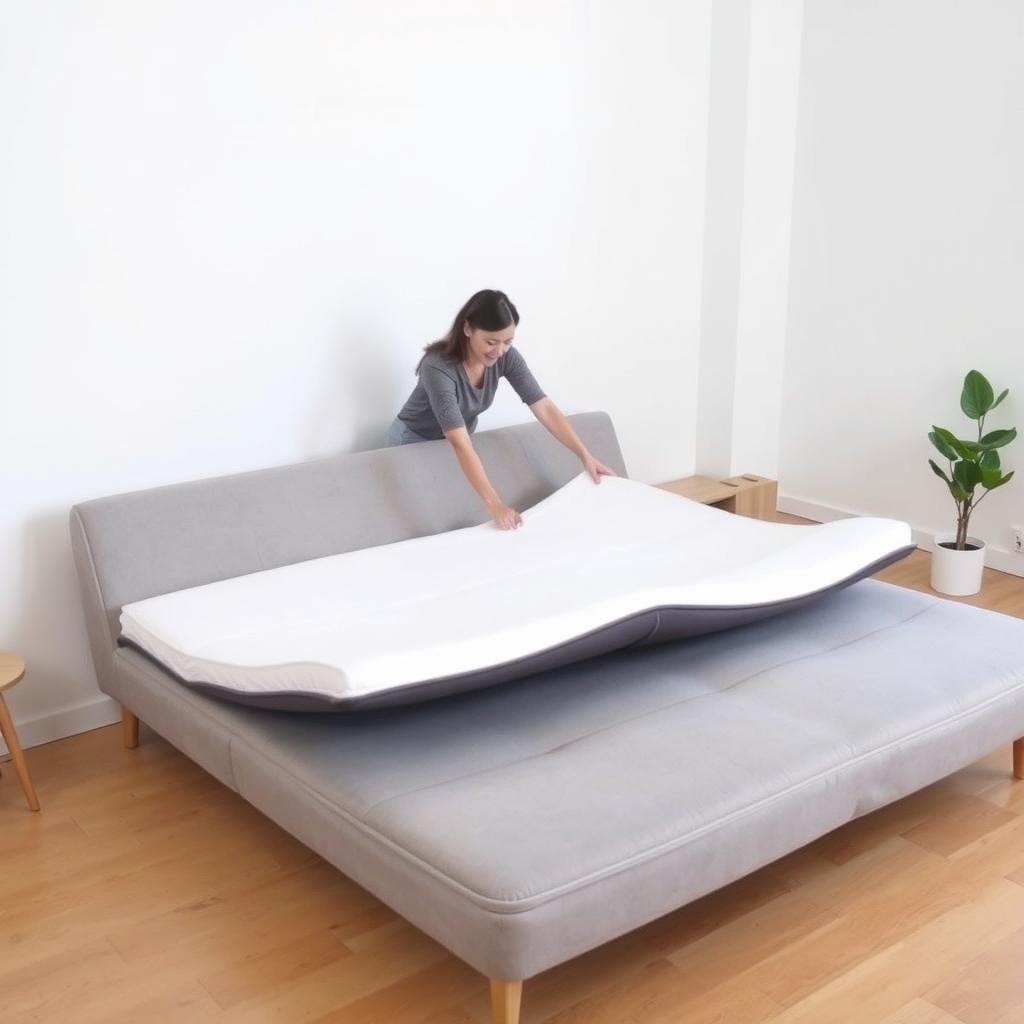
Preventative care can extend your futon’s life significantly. One of the best investments I made was a waterproof mattress protector. It shields against spills and stains, especially if you have kids or pets. Rotate your futon mattress every 2-3 months to distribute weight evenly and prevent sagging. Flipping it side-to-side or end-to-end works wonders.
Sunlight can fade fabric, so avoid placing your futon in direct sunlight. If that’s not possible, use UV-resistant curtains. I learned this the hard way when my navy futon cover faded to a patchy blue after a year by a sunny window. Also, consider using a slipcover for extra protection—it’s an easy way to refresh the look without replacing the futon.
Assembling Futon Furniture Easily: Tips and Tricks
Assembling futon furniture can seem daunting, but it’s manageable with the right approach. When I bought my first futon, the instructions were confusing, but I learned a few shortcuts. First, lay out all parts and tools before starting. Most futons come with a frame, slats, and a mattress, so ensure nothing’s missing.
Follow the manufacturer’s instructions, but don’t overtighten screws—they can strip the frame. If you’re struggling, The Family Handyman has a great guide on furniture assembly basics that applies to futons. Work on a flat surface, and enlist a friend to hold pieces steady. My futon took 45 minutes to assemble with two people, compared to two hours alone.
Table: Common Futon Types and Care Tips
| Futon Type | Material | Care Tips |
|----------------|--------------|---------------|
| Cotton | Cotton filling | Rotate monthly, vacuum weekly, use a mattress protector |
| Foam | Memory foam or polyurethane | Flip every 2-3 months, spot-clean only |
| Hybrid | Cotton + foam | Rotate and fluff regularly, avoid direct sunlight |
Dealing with Common Futon Issues
Sagging is a common problem, especially with cotton futons. To fix it, try fluffing the mattress by rolling it up and shaking it out. I do this every few months, and it restores some bounce. For persistent sags, consider adding a supportive topper. Creaky frames are another issue—tighten loose screws or add felt pads where metal meets wood.
Mold is a risk if your futon gets damp. Keep it in a well-ventilated area and use a dehumidifier if you live in a humid climate. The Environmental Protection Agency’s guide on mold prevention offers practical tips for keeping furniture mold-free. If you notice a musty smell, air out the mattress and clean it thoroughly.
Seasonal Care for Your Futon
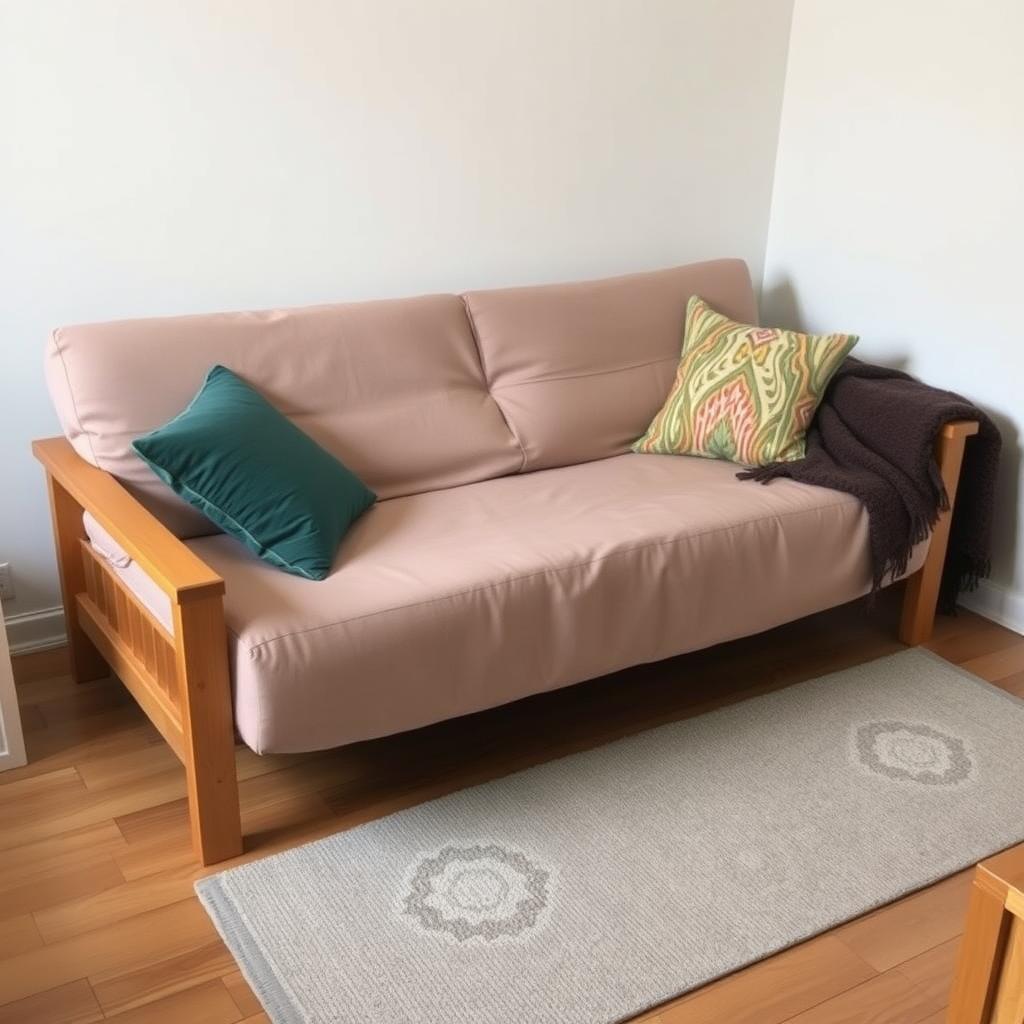
Seasonal changes can affect your futon. In winter, indoor heating can dry out cotton fillings, so consider a humidifier to maintain moisture levels. In summer, ensure good airflow to prevent heat buildup. I store my futon cover in a breathable bag during off-seasons to keep it fresh.
When to Replace Your Futon
Even with great care, futons don’t last forever. Most last 5-10 years, depending on use and quality. If your futon feels lumpy, sags despite flipping, or the frame wobbles, it might be time for a new one. Check for wear in the fabric or broken slats. When I replaced my old futon, I recycled the frame and donated the mattress—local recycling programs often accept furniture.
Summary: Keep Your Futon Thriving
Maintaining your futon furniture is about consistency and small efforts. Regular cleaning, rotating, and protecting your futon can make it last for years. Assembling futon furniture easily takes patience and the right tools, but it’s worth the effort for a comfortable, versatile piece. With these tips, your futon will stay a cozy centerpiece in your home.