







Featured Post
Ultimate Furniture Shopping Checklist for New Homeowners
Overview
Moving into your first home is thrilling, but furnishing it can feel overwhelming. This furniture shopping checklist for new homeowners helps you prioritize, plan, and purchase pieces that suit your style and budget. From essential furniture to accent pieces like bar stools, we’ll guide you through the process with practical tips and personal insights.
Why You Need a Furniture Shopping Checklist
As a new homeowner, I remember the excitement of walking into my empty house, imagining how each room would come to life. But I quickly realized that without a plan, I was overspending on items I didn’t need while forgetting essentials. A furniture shopping checklist keeps you focused, saves money, and ensures your home is both functional and beautiful.
This guide is built from my own experiences and research, including insights from home design experts like those at Architectural Digest. It’s designed to help you avoid common pitfalls and make smart choices.
Step 1: Assess Your Space
Before you buy anything, take stock of your home. Walk through each room and measure the dimensions. I learned this the hard way when I bought a couch that barely fit through my doorway! Use a tape measure and note door widths, ceiling heights, and window placements. This ensures your furniture fits physically and visually.
Quick Tips for Measuring: - Measure twice to avoid mistakes. - Sketch a rough floor plan to visualize layouts. - Consider traffic flow—leave at least 3 feet for walkways.

Step 2: Set a Budget
Furniture can be a big investment, so set a realistic budget. When I moved in, I allocated 20% of my savings for furniture, splitting it between must-haves (like a bed) and nice-to-haves (like a bar stool for my kitchen island). Research shows that new homeowners often spend $5,000–$10,000 on initial furnishings, according to a 2023 Houzz study.
Budget Breakdown Example: | Room | Percentage of Budget | Estimated Cost | |------|---------------------|----------------| | Living Room | 40% | $2,000–$4,000 | | Bedroom | 30% | $1,500–$3,000 | | Dining/Kitchen | 20% | $1,000–$2,000 | | Miscellaneous | 10% | $500–$1,000 |
Prioritize quality for high-use items like mattresses and sofas, and save on decorative pieces.
Step 3: Prioritize Essential Furniture
Start with pieces you can’t live without. Here’s a checklist of essentials for each room:
Living Room: - Sofa or sectional - Coffee table - TV stand or media console
Bedroom: - Bed frame and mattress - Nightstands - Dresser or wardrobe
Dining/Kitchen: - Dining table and chairs - Bar stools (if you have a counter or island)
Home Office (if needed): - Desk - Ergonomic chair
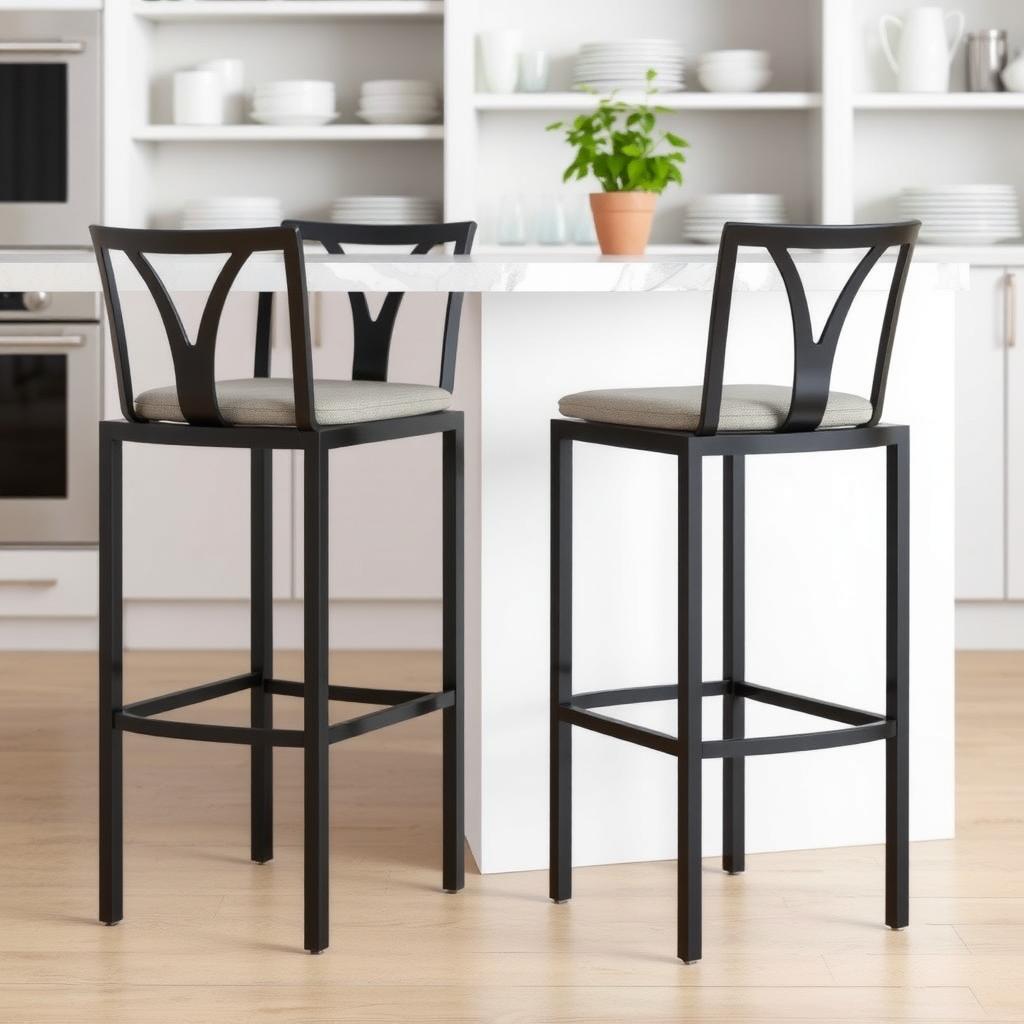
When I bought my bar stools, I chose ones with cushioned seats for comfort and a sleek metal frame for durability. They doubled as extra seating for guests!
Step 4: Match Style to Your Taste
Your home should reflect your personality. Are you into modern minimalism, cozy farmhouse, or bold bohemian? I leaned toward Scandinavian style for its clean lines and warmth. Look at inspiration on sites like Pinterest or Elle Decor to define your vibe.
When shopping for furniture like bar stools, think about how they complement your overall aesthetic. For example, wooden stools with woven seats suit rustic homes, while chrome ones fit modern spaces. Test different styles in-store if possible.
Step 5: Focus on Functionality
Furniture isn’t just about looks—it needs to work for your lifestyle. If you love hosting, prioritize a large dining table or extra seating like bar stools. If you work from home, invest in a comfortable desk chair. I made the mistake of buying a beautiful but impractical velvet sofa that stained easily—lesson learned!
Questions to Ask: - Will this piece fit my daily routine? - Is it easy to clean or maintain? - Does it offer storage or multi-use features?
Step 6: Shop Smart
Where you shop matters. I mixed high-end pieces (like my mattress) with budget-friendly finds from stores like IKEA and Wayfair. Online retailers often have reviews that help gauge quality. For unique pieces, check local thrift stores or marketplaces like Facebook Marketplace.
Shopping Tips: - Compare prices across multiple stores. - Look for sales around holidays like Memorial Day or Black Friday. - Check return policies and warranties, especially for big-ticket items.
Step 7: Plan Delivery and Assembly
Delivery can make or break your experience. I once waited weeks for a dining table because I didn’t check the shipping timeline. Confirm delivery dates and costs upfront. If you’re buying flat-pack furniture, ensure you have tools and time for assembly—or pay for professional setup.
Step 8: Add Personal Touches
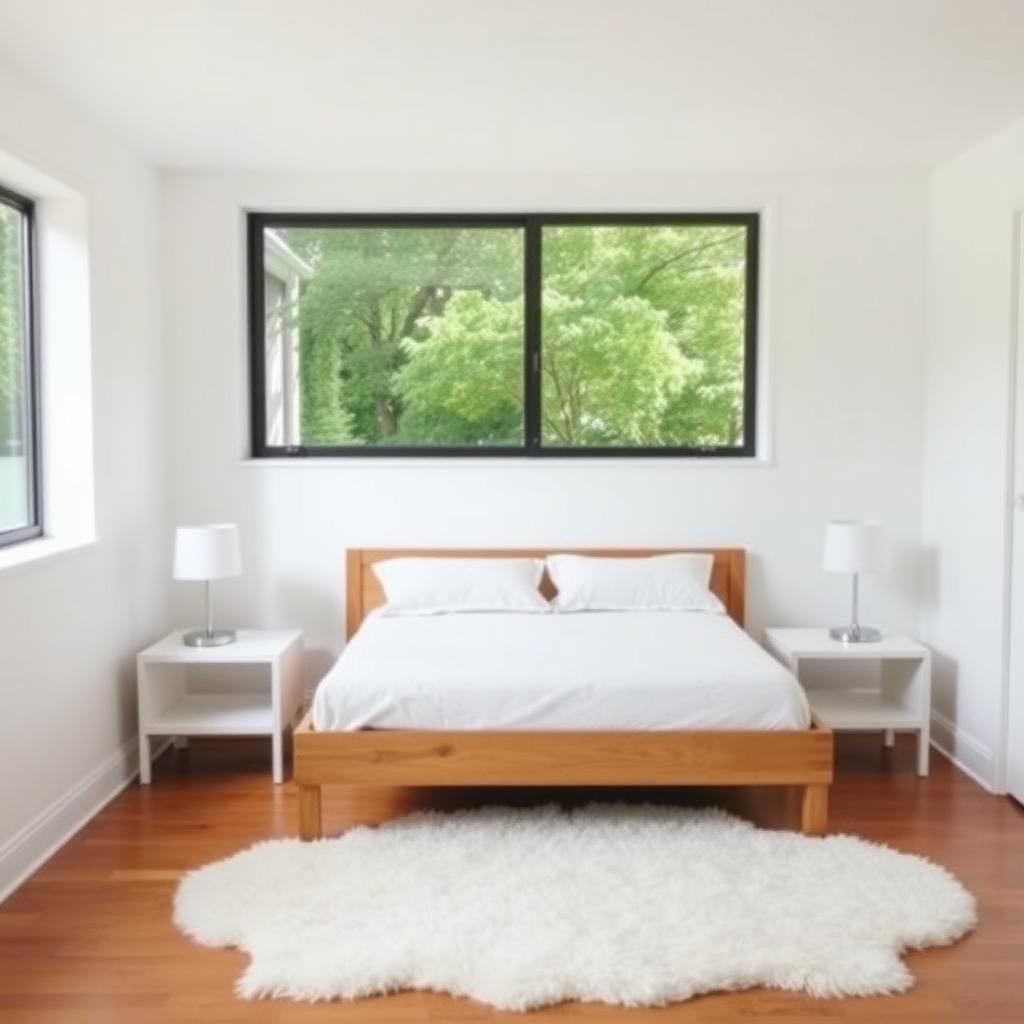
Once you have the basics, add decorative pieces to make your home yours. Think throw pillows, rugs, or artwork. My favorite addition was a set of bar stools that tied my kitchen and living area together. Small touches like these create a cohesive look without breaking the bank.
Ideas for Personalization: - Mix textures (e.g., wood with metal or fabric). - Add plants for a fresh, lived-in feel. - Use lighting to set the mood—think floor lamps or string lights.
Common Mistakes to Avoid
From my own missteps and advice from design pros, here are pitfalls to dodge: - Buying Everything at Once: Spread out purchases to avoid overspending. - Ignoring Scale: A tiny rug in a large room looks off—use size guides from sites like Apartment Therapy. - Skipping Comfort Tests: Sit on sofas or bar stools before buying. - Forgetting Storage: Opt for furniture with built-in storage if space is tight.
Summary
Furnishing your first home is a journey, but a furniture shopping checklist for new homeowners makes it manageable. Start by assessing your space, setting a budget, and prioritizing essentials like beds, sofas, and bar stools. Shop smart, focus on functionality, and add personal touches to create a home you love. With this guide, you’re ready to build a space that’s both stylish and practical.