



Featured Post
The Art of Minimalism in Home Decor: Transform Your Space with Simplicity
Overview
The Art of Minimalism in Home Decor is about creating a peaceful, functional space with less clutter and more intention. By focusing on quality over quantity, minimalist design transforms homes into serene retreats. This article explores minimalist principles, furniture choices like dressers, and maintenance tips for lasting beauty.
What is Minimalism in Home Decor?
Minimalism is more than just owning fewer things. It’s a lifestyle that values simplicity, purpose, and clarity. In home decor, it means choosing pieces that serve a function while looking sleek and timeless. I’ve always found that a minimalist space feels like a deep breath—calm and uncluttered. The goal is to keep only what you love or need, letting each item shine.
Minimalist decor emphasizes clean lines, neutral colors, and open spaces. It’s not about stark, empty rooms but about creating balance. According to a study from the University of California, cluttered spaces can increase stress levels, while organized, minimalist environments promote relaxation. This makes minimalism not just aesthetic but also good for your mental health.
Why Choose Minimalist Furniture?
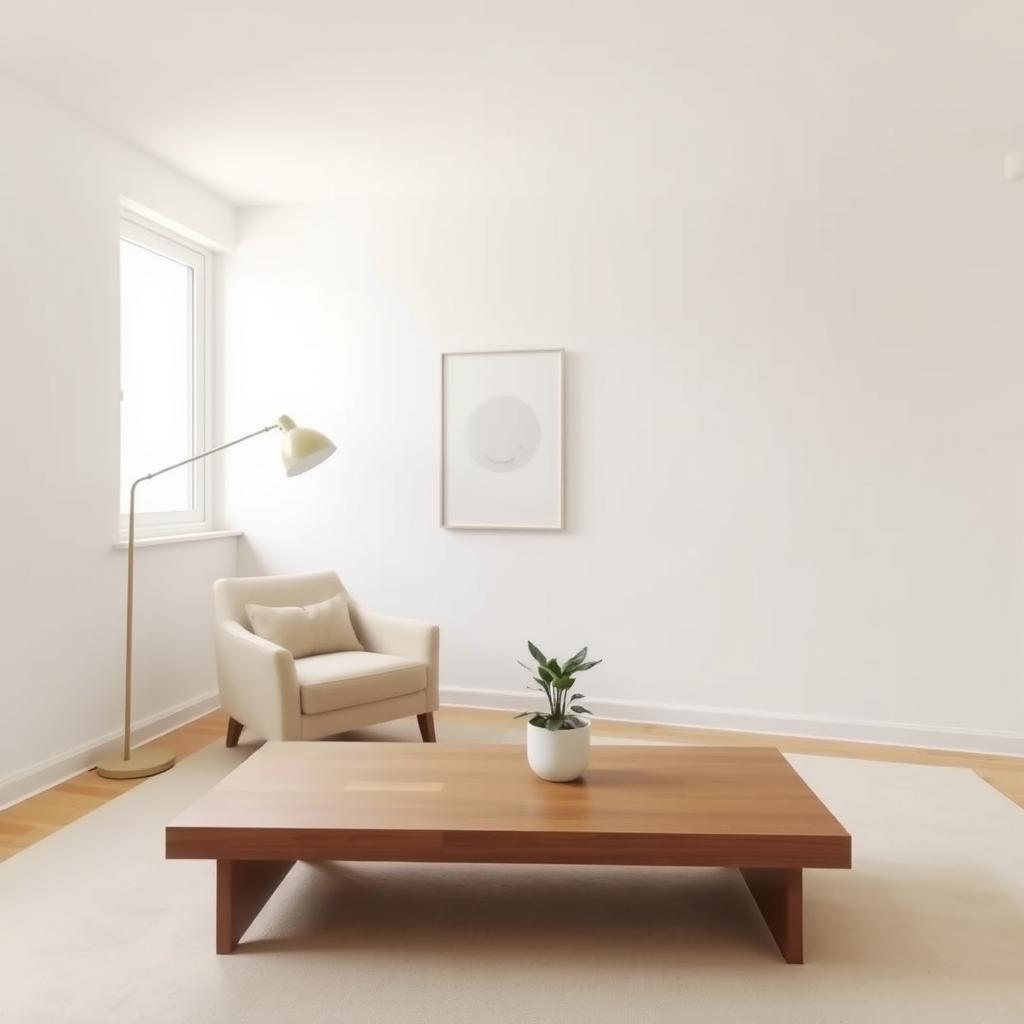
Minimalist furniture is the backbone of this design philosophy. Pieces are simple yet functional, with clean lines and no unnecessary frills. When I redesigned my living room, I swapped bulky furniture for sleek, multi-purpose items. The result? A space that felt bigger and more inviting.
Benefits of Minimalist Furniture
- Space Efficiency: Slim designs make rooms feel larger.
- Versatility: Neutral pieces fit any room or style.
- Timeless Appeal: Minimalist furniture avoids trendy fads, staying stylish for years.
- Ease of Maintenance: Fewer items mean less cleaning and upkeep.
When selecting furniture, focus on quality. A well-made piece lasts longer and feels more luxurious. For example, a solid wood dresser can be both a storage solution and a statement piece in a minimalist bedroom.
Choosing the Right Dresser: Styles and Functions
A dresser is a perfect example of minimalist furniture done right. It’s practical, stores essentials, and can elevate a room’s aesthetic. When choosing a dresser, consider both style and function to align with minimalist principles.
Dresser Styles for Minimalist Decor
| Style | Description | Best For |
|---|---|---|
| Scandinavian | Light wood, clean lines, simple hardware | Bedrooms, small spaces |
| Mid-Century Modern | Sleek, tapered legs, warm tones | Living rooms, eclectic spaces |
| Industrial | Metal or mixed materials, raw finishes | Lofts, urban homes |
Functional Considerations
- Size: Measure your space to avoid overwhelming the room. A compact dresser works best in small areas.
- Storage: Look for deep drawers or hidden compartments for maximum utility.
- Material: Opt for durable materials like solid wood or metal for longevity.
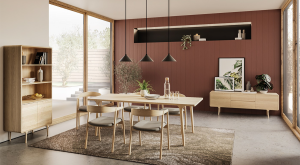
I once chose a Scandinavian-style dresser for my bedroom. Its light oak finish and simple design made the room feel airy, while the deep drawers kept clutter out of sight. For more tips on selecting furniture, check out this guide from the American Institute of Architects, which emphasizes functional design.
How to Revamp Your Space with Minimalist Furniture Design
Revamping your home with minimalist furniture doesn’t mean starting from scratch. Small changes can make a big impact. Here’s how I transformed my space, along with actionable steps you can follow:
Step 1: Declutter First
Before buying new furniture, clear out what you don’t need. I spent a weekend sorting through my belongings, keeping only items I loved or used daily. Donate or sell anything that doesn’t serve a purpose.
Step 2: Choose Multi-Functional Pieces
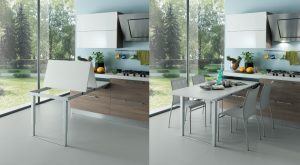
Look for furniture that does double duty. A dresser can serve as a nightstand or a TV console. I found a low-profile dresser that worked as both storage and a hallway table, saving space and money.
Step 3: Stick to a Neutral Palette
Neutral colors like white, beige, or gray create a calm backdrop. I painted my walls soft white and added furniture in natural wood tones. This made my space feel cohesive and serene.
Step 4: Add Thoughtful Accents
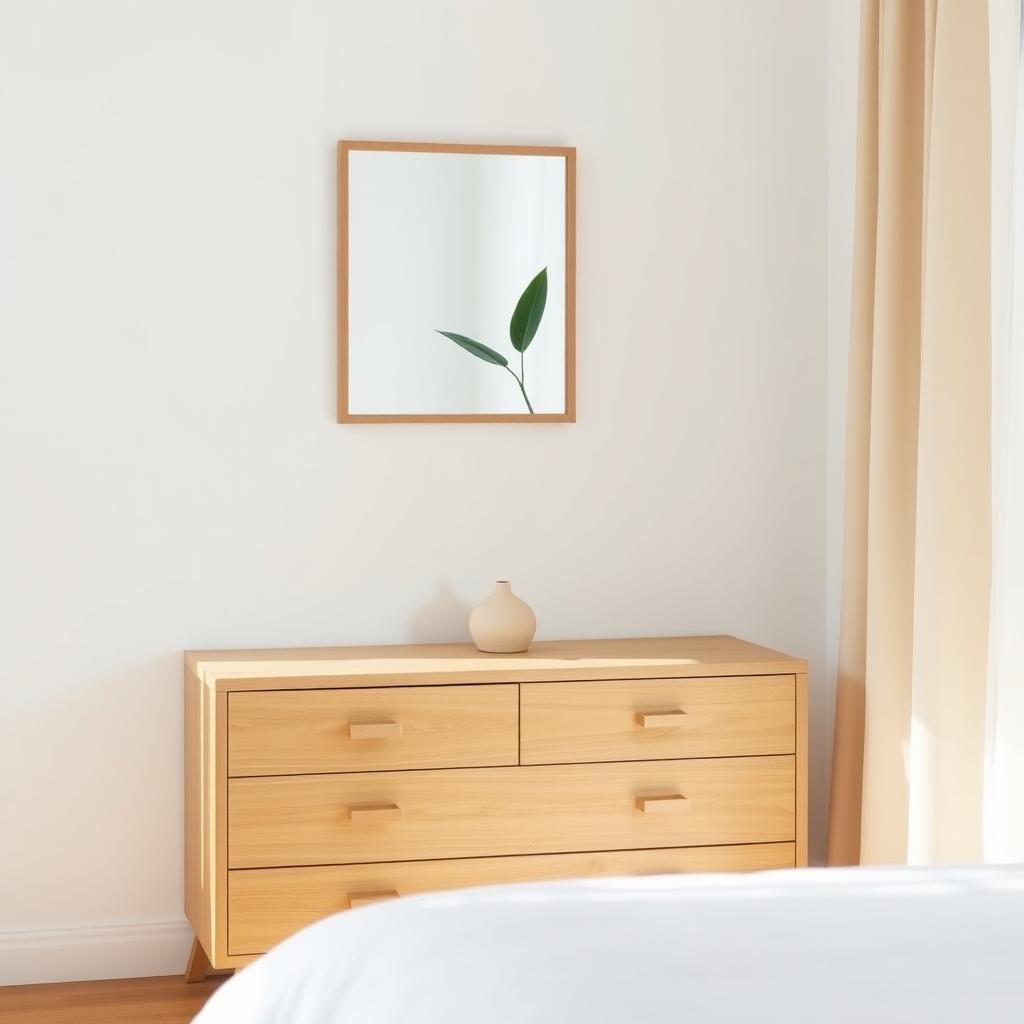
Minimalism isn’t about emptiness—it’s about intention. Add one or two meaningful decor pieces, like a vase or artwork. I placed a single ceramic sculpture on my dresser, which added personality without clutter.
For inspiration, the Museum of Modern Art’s design principles emphasize simplicity and intentionality, which align perfectly with minimalist decor.
Furniture Care and Maintenance Guide
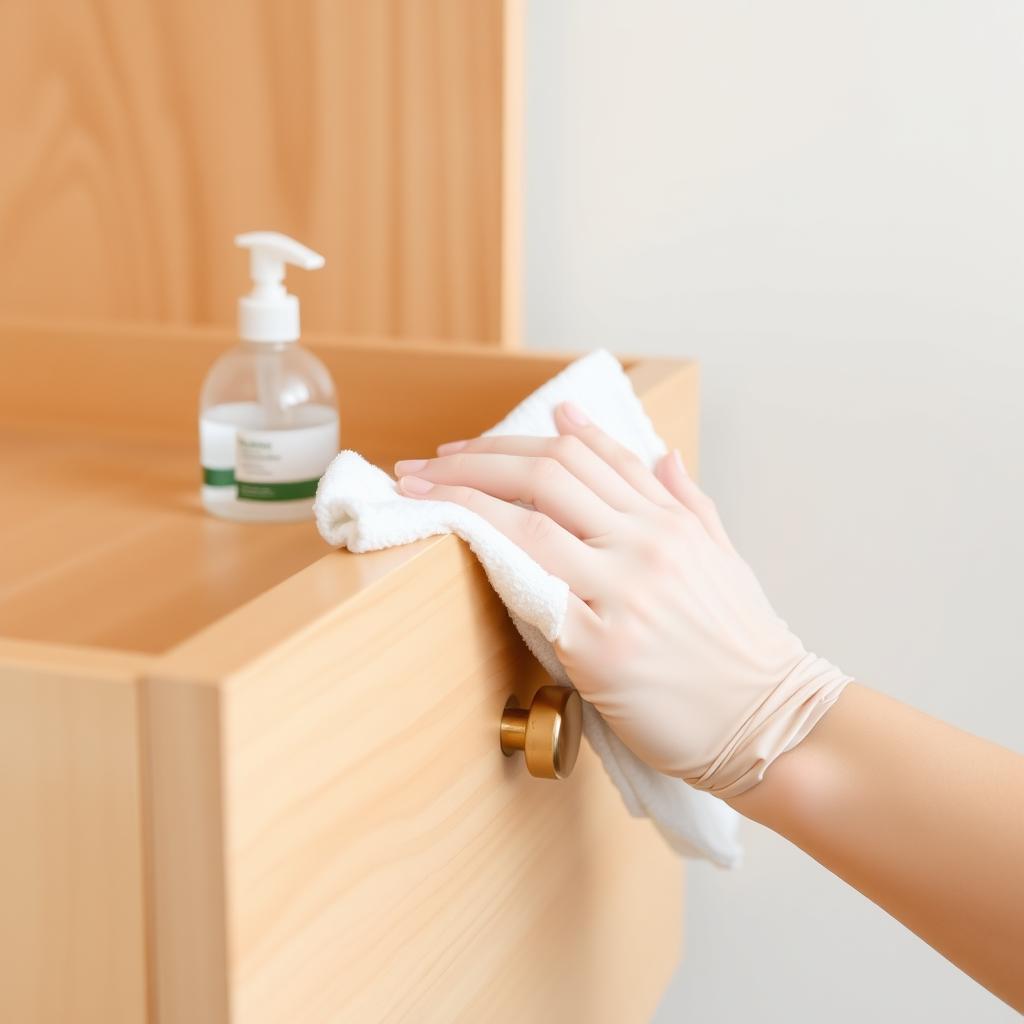
Minimalist furniture is an investment, so proper care is essential to keep it looking pristine. Here’s a simple guide to maintain your pieces, especially dressers:
Cleaning Tips
- Wood Dressers: Dust weekly with a microfiber cloth. Use a damp cloth with mild soap for stains, then dry immediately to prevent watermarks.
- Metal Dressers: Wipe with a soft cloth and avoid abrasive cleaners to prevent scratches.
- Glass Accents: Use glass cleaner sparingly to avoid streaks.
Maintenance Tips
- Check Hardware: Tighten loose screws or handles every few months.
- Protect Surfaces: Use coasters or mats to prevent scratches or water rings.
- Avoid Direct Sunlight: Prolonged exposure can fade wood or fabric. I repositioned my dresser away from a sunny window to preserve its finish.
Storage Tips
- Don’t overload drawers to prevent warping.
- Use drawer liners to protect interiors from spills or scratches.
Regular care keeps your furniture looking new and supports the minimalist aesthetic of clean, uncluttered spaces. For more detailed maintenance tips, the U.S. Environmental Protection Agency offers advice on eco-friendly cleaning products.
Common Mistakes to Avoid
When embracing minimalism, it’s easy to make mistakes. Here are a few I learned the hard way: - Over-Decluttering: I once got rid of too many items, leaving my space feeling cold. Keep a few personal touches for warmth. - Ignoring Function: A beautiful dresser is useless if it doesn’t meet your storage needs. Always prioritize utility. - Skipping Maintenance: Neglecting furniture care can lead to wear and tear, ruining the minimalist look.
By avoiding these pitfalls, you can create a space that’s both stylish and practical.
Summary
The Art of Minimalism in Home Decor is about creating a functional, beautiful space with intention. By choosing the right dresser, embracing minimalist furniture design, and maintaining your pieces, you can transform your home into a serene sanctuary. Start small, focus on quality, and enjoy the calm that minimalism brings.