


Featured Post
The Benefits of Minimalist Furniture Design: Style, Function, and Sustainability
Overview
Minimalist furniture design is more than a trend—it's a lifestyle choice that blends style, functionality, and sustainability. By focusing on clean lines, simple forms, and purposeful pieces, minimalist furniture transforms spaces into clutter-free, serene environments. This article explores the benefits of minimalist furniture design, its practical applications, and its role in sustainable living.
Why Minimalist Furniture Design Matters
Minimalist furniture design emphasizes quality over quantity. It’s about choosing pieces that serve a purpose while enhancing the aesthetic of a room. In my own home, I swapped out bulky, ornate furniture for sleek, minimalist pieces. The result? A brighter, more open space that feels calming yet functional. This shift isn’t just about looks—it’s about creating a home that works for you.
The benefits of minimalist furniture design go beyond appearance. It promotes mental clarity by reducing visual clutter, saves space in small homes, and often aligns with eco-friendly principles. Let’s dive into the key advantages.
1. Space Optimization
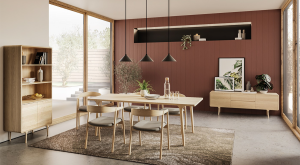
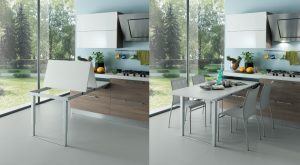
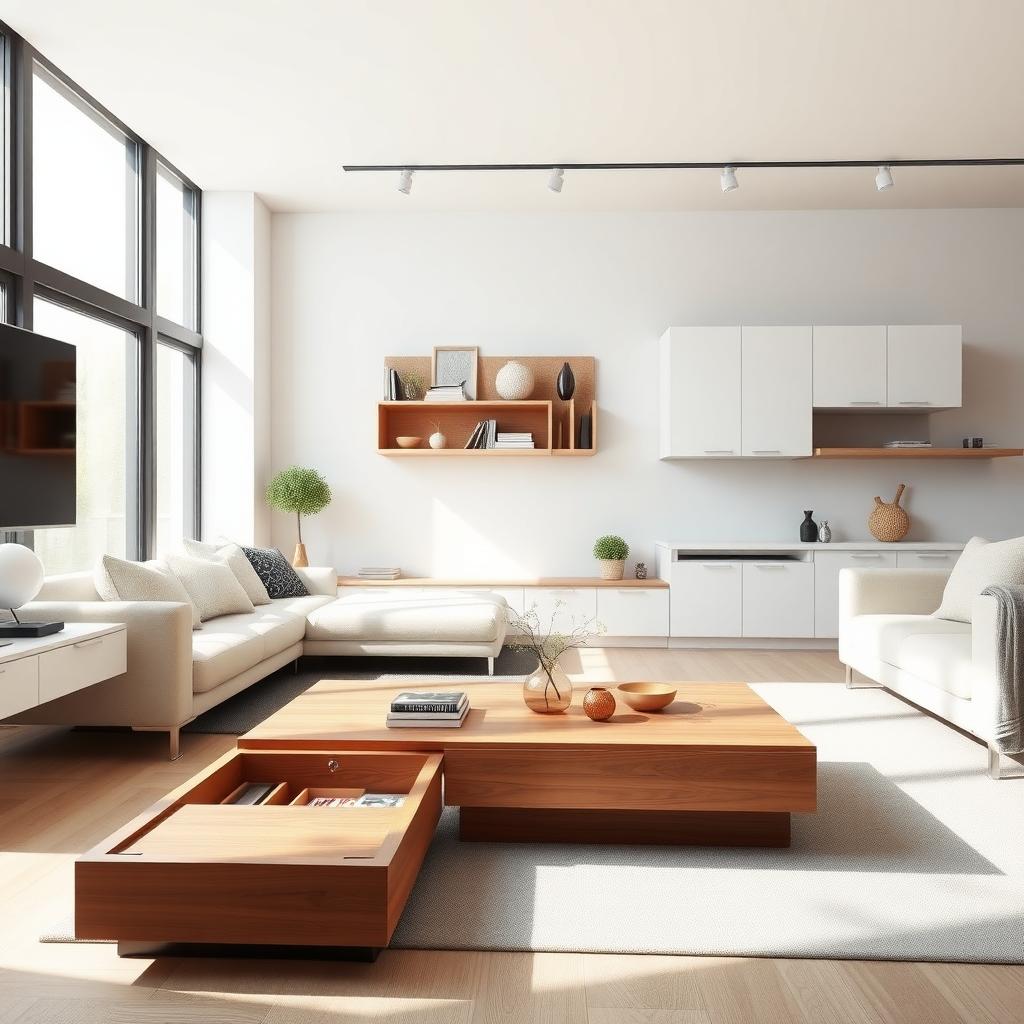
Minimalist furniture is a lifesaver for small apartments or compact homes. Its clean lines and compact designs make rooms feel larger. For example, a sleek coffee table with hidden storage can replace a bulky one, freeing up floor space. In my experience, switching to a minimalist dining table made my small kitchen feel twice as big.
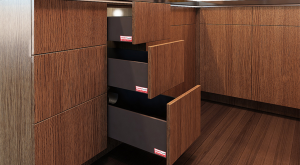
Innovative storage solutions with cabinet furniture are a hallmark of minimalism. Think wall-mounted cabinets or multi-functional ottomans that double as storage. These pieces maximize space without sacrificing style. A study from the University of California found that decluttered spaces can reduce stress by 20%, proving that less really is more.
2. Eco-Friendly Furniture: A Guide to Sustainable Choices
Minimalist furniture often aligns with sustainability. Many designers prioritize eco-friendly materials like reclaimed wood, bamboo, or recycled metals. These choices reduce environmental impact while maintaining durability. When I bought a bamboo bookshelf, I loved knowing it was sustainably sourced and built to last.
Eco-friendly furniture also means fewer pieces. Instead of filling a room with cheap, disposable items, minimalism encourages investing in high-quality, long-lasting furniture. According to the Environmental Protection Agency, furniture waste in the U.S. accounts for 12 million tons annually. Choosing minimalist, sustainable pieces helps reduce this number.
3. Versatility and Timeless Appeal
Minimalist furniture is incredibly versatile. A simple cabinet or table can fit into various design schemes, from Scandinavian to industrial. Its neutral colors and clean shapes make it easy to pair with bold accents or keep things understated. I’ve moved my minimalist desk through three apartments, and it blends seamlessly into each space.
This timeless appeal also saves money in the long run. Trends come and go, but minimalist designs remain stylish. A well-made cabinet or chair can last decades, both in function and aesthetic.
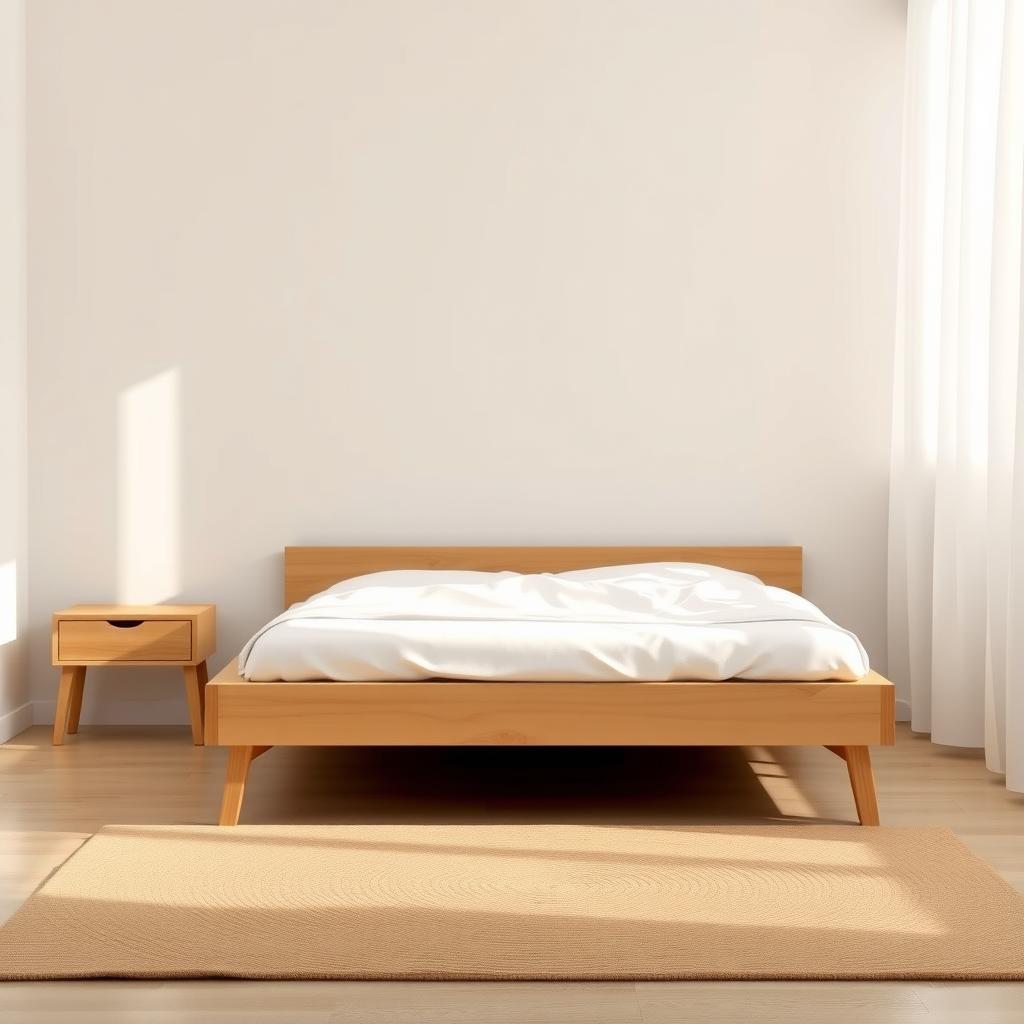
4. Innovative Storage Solutions with Cabinet Furniture
One of the standout features of minimalist design is its focus on function. Innovative storage solutions with cabinet furniture make it easy to keep spaces tidy. For instance, I use a wall-mounted cabinet in my living room to store books, electronics, and even extra blankets. Its sleek design doesn’t overwhelm the room, yet it holds everything I need.
Cabinets with hidden compartments or modular designs are especially popular. These pieces let you customize storage to fit your needs. A report by the National Association of Home Builders notes that 68% of homeowners prioritize storage in furniture purchases, making minimalist cabinets a smart choice.
5. Mental Clarity and Well-Being
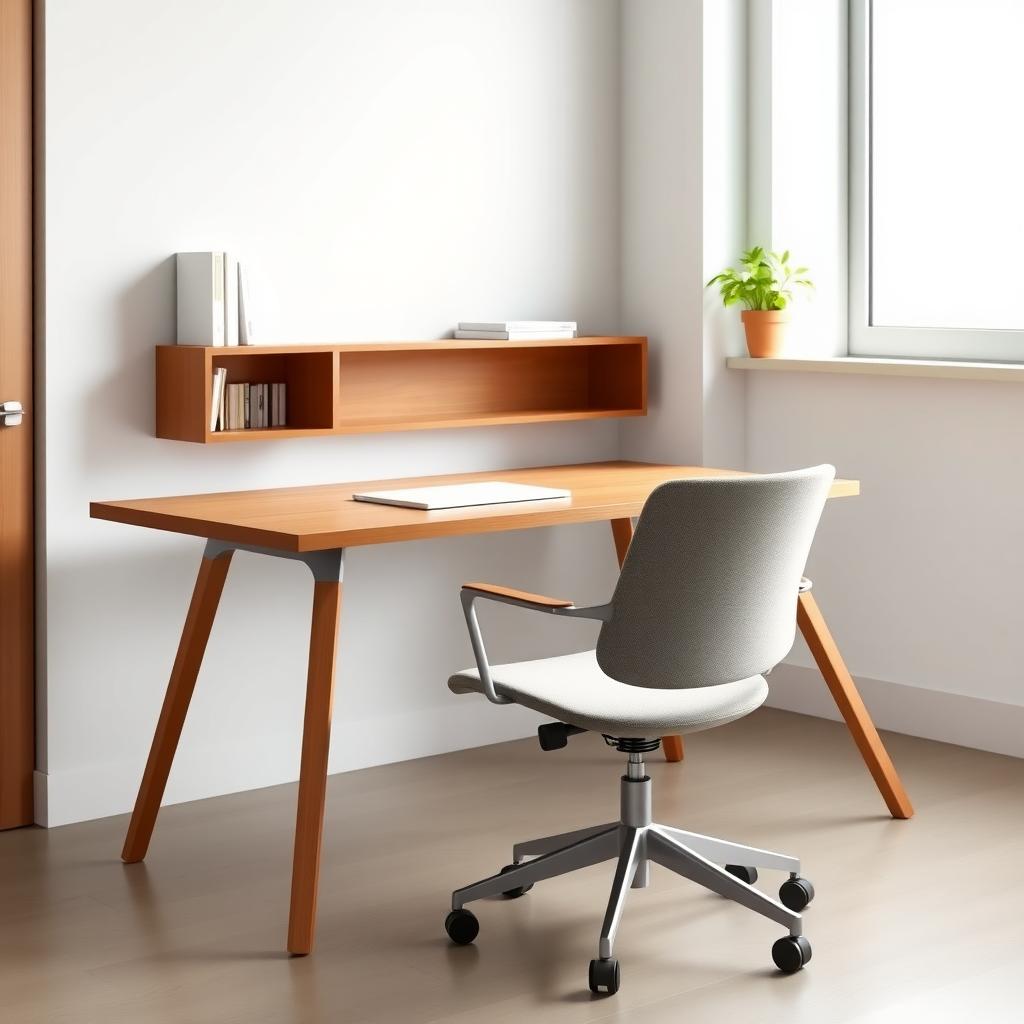
A cluttered home can feel chaotic. Minimalist furniture design promotes calm by reducing visual noise. When I decluttered my office and added a simple desk and chair, I noticed I could focus better. The lack of distractions made work feel less overwhelming.
Research supports this. A study from Princeton University found that clutter can reduce productivity by up to 15%. Minimalist furniture, with its focus on simplicity, creates a peaceful environment that boosts mental well-being.
6. Cost-Effectiveness Over Time
While high-quality minimalist furniture can have a higher upfront cost, it’s cost-effective in the long run. Durable materials and timeless designs mean you won’t need to replace pieces often. I invested in a minimalist sofa five years ago, and it still looks brand new. Compare that to cheaper, trendy furniture that wears out quickly.
Plus, minimalist design encourages buying fewer pieces. Instead of a room full of mismatched items, you can choose a few versatile pieces that do more. This approach saves money and reduces waste.
How to Incorporate Minimalist Furniture in Your Home
Ready to embrace minimalist furniture design? Here are some practical tips:
- Start Small: Replace one piece, like a coffee table or cabinet, to see how it transforms your space.
- Prioritize Function: Choose furniture with dual purposes, like a bed with under-storage or a desk with built-in shelves.
- Stick to Neutral Tones: Colors like white, gray, or wood tones keep things versatile.
- Declutter First: Clear out unnecessary items before adding new furniture to maintain the minimalist vibe.
- Invest in Quality: Opt for sustainable, durable materials to ensure longevity.
When I started, I replaced a bulky dresser with a sleek cabinet. It forced me to declutter and rethink what I truly needed. The result was a bedroom that felt spacious and serene.
Summary
The benefits of minimalist furniture design are clear: it saves space, promotes sustainability, and enhances mental clarity. With innovative storage solutions with cabinet furniture and eco-friendly materials, minimalist design is both practical and stylish. By choosing quality over quantity, you create a home that’s functional, timeless, and environmentally conscious. Start small, prioritize function, and enjoy a clutter-free life.