





Featured Post
How to Choose the Perfect Futon for Your Space
Overview
Choosing the perfect futon for your space can transform a room, blending style, comfort, and functionality. Whether you’re furnishing a small apartment or a guest room, a futon offers a versatile solution that serves as both a sofa and a bed. This guide will walk you through everything you need to know to make an informed decision, from sizing to materials and personal tips from my own furniture-buying adventures.
Why Choose a Futon?
Futons are the Swiss Army knives of furniture. They’re perfect for small spaces, guest rooms, or anyone who loves multi-functional pieces. I’ve always been drawn to futons because they save space without sacrificing style. In my first apartment, a futon was a lifesaver—it was my couch by day and bed by night. But not all futons are created equal, and picking the right one requires some thought.
Futons come in various styles, from sleek modern designs to cozy traditional ones. They’re also budget-friendly compared to buying a separate sofa and bed. Plus, converting futons into beds is usually a breeze, making them ideal for unexpected guests or daily use.
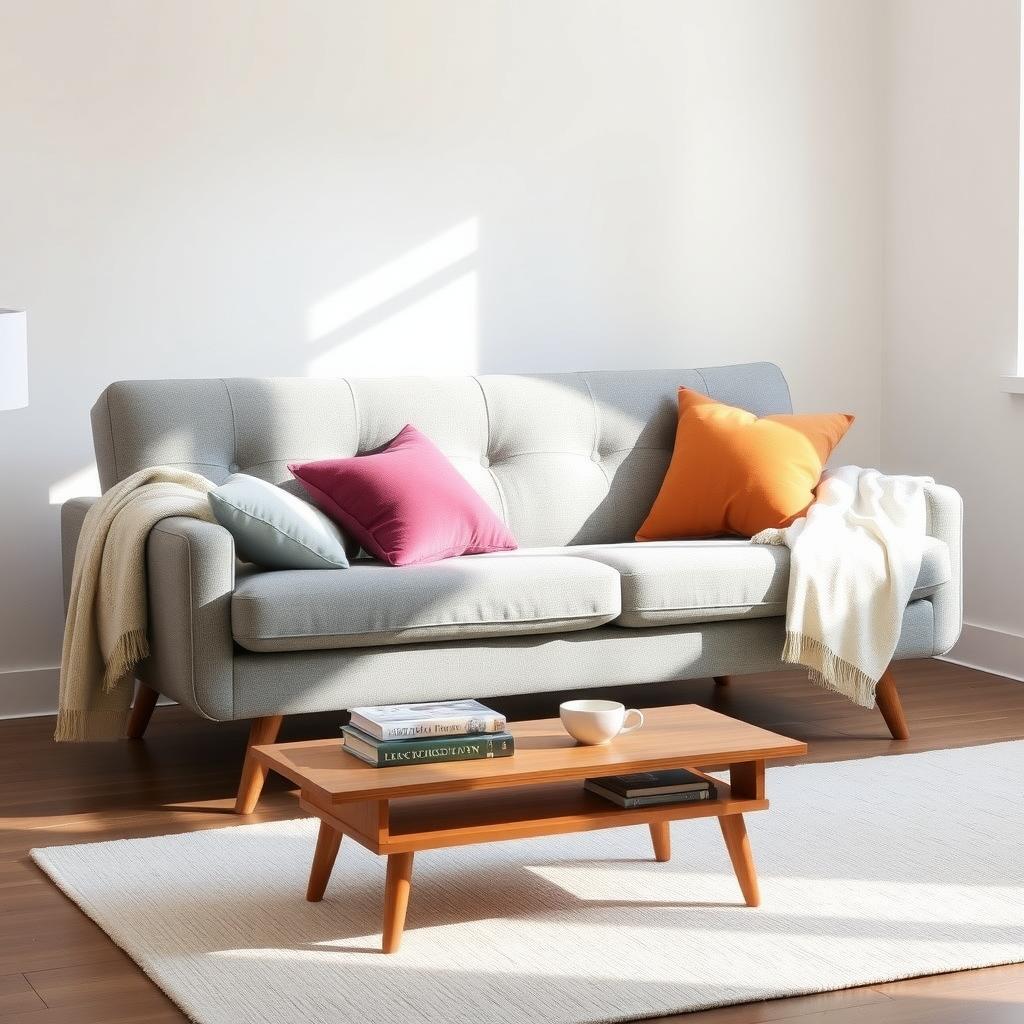
Step 1: Measure Your Space
Before you fall in love with a futon, grab a tape measure. I learned this the hard way when I ordered a futon that barely fit through my apartment door. Measure the area where the futon will live, both as a sofa and when extended as a bed. Consider doorways, hallways, and any tight corners it needs to navigate during delivery.
Here’s a quick checklist for measuring: - Length and width: Ensure the futon fits comfortably in your room. - Height: Check if the backrest height works with your space’s proportions. - Clearance for conversion: Make sure there’s enough room to unfold the futon into a bed.
For small spaces, a loveseat-sized futon (around 54 inches wide) is great. Larger rooms can handle full or queen-sized futons (70-80 inches wide). Always double-check the dimensions listed on the retailer’s site.
Step 2: Choose the Right Size
Futons come in various sizes, and picking the right one depends on your needs. Here’s a breakdown of common sizes:
| Size | Sofa Width | Bed Dimensions | Best For |
|---|---|---|---|
| Twin | 38-40” | 38” x 75” | Solo sleepers, small spaces |
| Full | 54-60” | 54” x 75” | Couples, guest rooms |
| Queen | 60-70” | 60” x 80” | Larger rooms, frequent use |
I recommend a full-size futon for most people—it’s versatile enough for seating multiple guests and sleeping one or two comfortably. If you’re tight on space, a twin works well, but test the comfort if you plan to use it as your primary bed.
Step 3: Pick a Frame Material
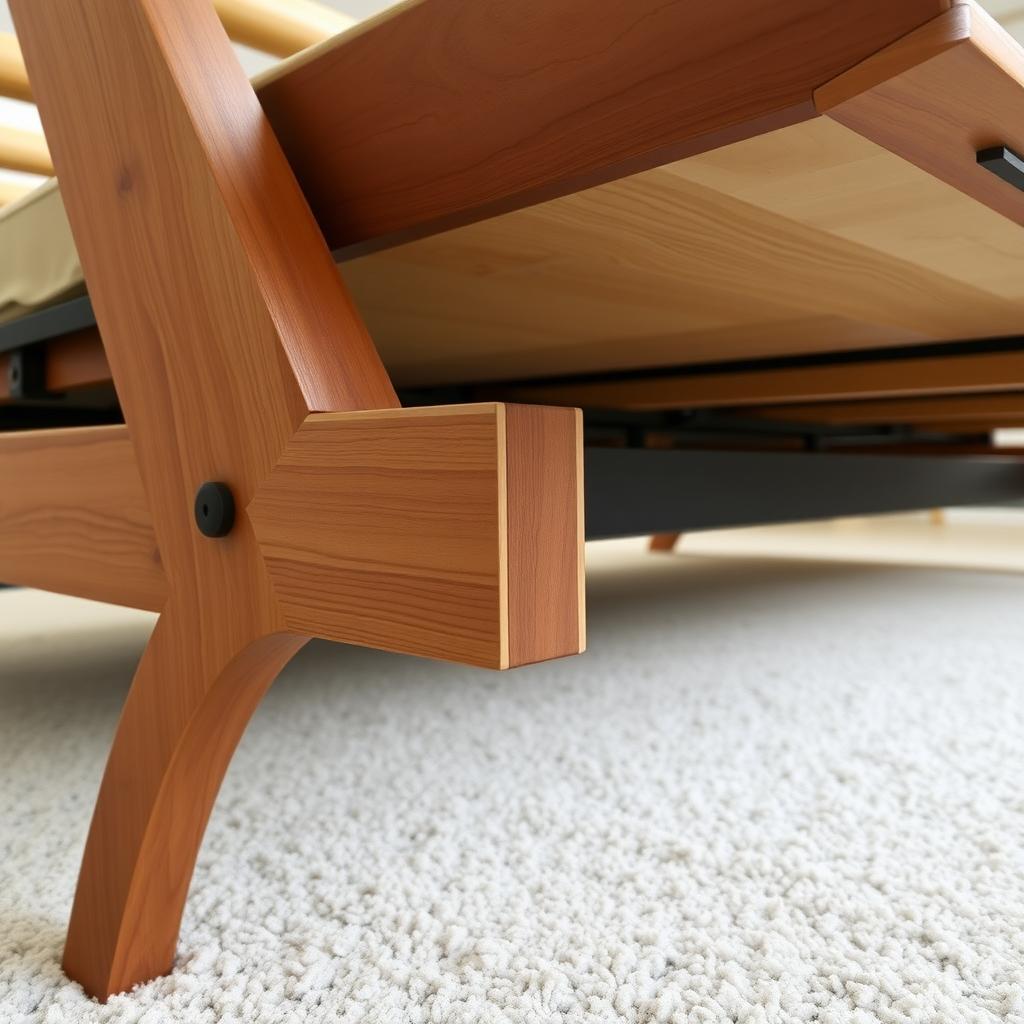
The frame is the backbone of your futon, affecting both durability and style. Here are the main options: - Wood: Warm and classic, wooden frames suit traditional or rustic decor. They’re sturdy but can be heavy. I have a cherry wood futon frame in my guest room, and it’s held up for years. - Metal: Sleek and modern, metal frames are lightweight and often easier to convert into beds. They’re great for minimalist spaces but can creak if not well-made. - Combination: Some futons blend wood and metal for a balanced look. These can be a bit pricier but offer durability and style.
Check the frame’s construction—look for solid wood or reinforced metal joints. Avoid particleboard frames, as they tend to wear out quickly.
Step 4: Select a Mattress Type
The mattress is where comfort meets practicality. A bad mattress can ruin the futon experience, so choose wisely. Here are the main types: - Cotton/Foam: Lightweight and affordable, these are great for occasional use but may flatten over time. - Innerspring: Offers more support, similar to a traditional mattress. Ideal for daily sleepers. - Memory Foam: Contours to your body, providing excellent comfort. I switched to a memory foam futon mattress last year, and it’s been a game-changer for guest comfort. - Hybrid: Combines foam and innerspring for balanced support and durability.
Test the mattress in-store if possible. If you’re buying online, check return policies. Sites like Wayfair often have detailed reviews to guide you.
Step 5: Consider Conversion Mechanisms
Converting futons into beds should be easy and smooth. Most futons use one of these mechanisms: - Bi-fold: The backrest folds down to create a flat bed. These are common and user-friendly. - Tri-fold: The futon folds in three sections, often with a separate ottoman. Great for compact spaces but trickier to set up. - Convertible Loveseat: Smaller futons that pull out into a twin bed. Perfect for tiny apartments.
I’ve found bi-fold futons to be the easiest to handle, especially for frequent conversions. Test the mechanism to ensure it’s smooth and doesn’t require Hulk-like strength.
Step 6: Match Your Decor
A futon should complement your room’s vibe. Modern spaces pair well with clean lines and neutral fabrics like gray or navy. Cozy rooms shine with plush fabrics and warm colors like beige or olive. I once picked a bright red futon for a bold statement, but it clashed with my calm decor—lesson learned! Stick to colors and textures that blend with your existing furniture.
If you’re unsure, go for neutral tones with removable covers. They’re easier to clean and update as trends change.

Step 7: Set a Budget
Futons range from $100 to over $1,000, depending on quality and features. Entry-level futons work for occasional use, but investing in a mid-range model ($300-$600) ensures better durability and comfort. My first futon was a budget buy, and it lasted about two years before the frame started wobbling. Spending a bit more upfront can save you from replacing it too soon.
Look for sales on sites like Amazon or IKEA, especially around holidays.
Step 8: Test and Research
If you can, visit a showroom to test the futon’s comfort and conversion process. Lie down, sit, and unfold it to see how it feels. If shopping online, read reviews and check ratings. I always filter for reviews mentioning durability and ease of converting futons into beds. Brands like Novogratz and DHP are known for reliable, affordable options.
Final Thoughts
Choosing the perfect futon for your space comes down to balancing size, comfort, style, and budget. By measuring your space, picking a sturdy frame, and choosing a comfortable mattress, you’ll find a futon that works for both lounging and sleeping. My own futon journey taught me to prioritize quality over flashy designs, and I hope these tips help you find a piece that fits your life perfectly.