






Featured Post
Furniture Care and Maintenance Tips for a Lasting Home
Overview
Furniture is the heart of a home, blending style and function. From cozy sofas to sleek bar stools, proper care keeps them beautiful and durable. This guide shares practical furniture care and maintenance tips to preserve your investment and elevate your living space.
Why Furniture Care Matters
Furniture isn’t just decor; it’s where life happens. You sip coffee on a bar stool, binge shows on a couch, or gather around a dining table. Regular maintenance prevents wear, saves money, and maintains charm. Neglect can lead to faded fabrics, scratched wood, or wobbly frames. With simple habits, your furniture can last decades.
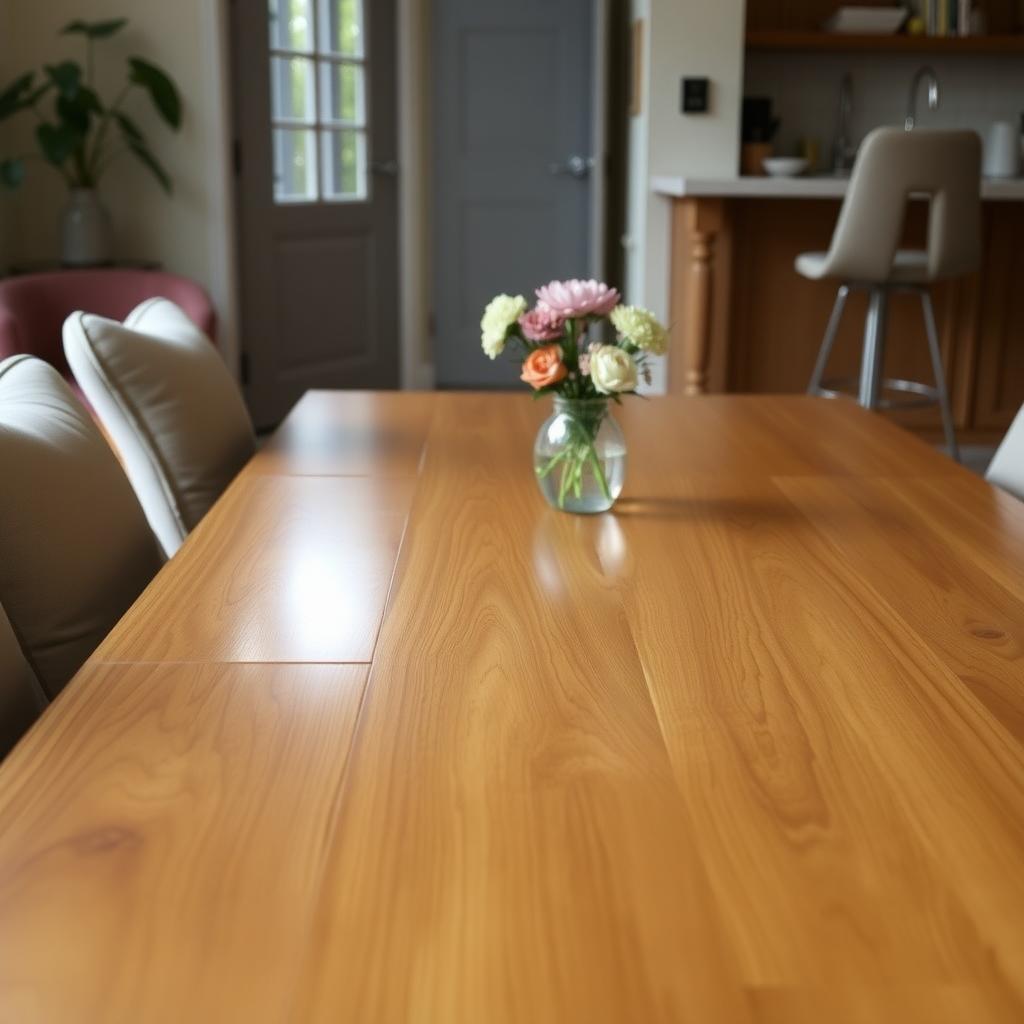
I’ve seen this firsthand. My oak dining table, a thrift store gem, was dull and scratched when I got it. With consistent care—gentle cleaning, polishing, and avoiding direct sunlight—it’s now a centerpiece that sparks compliments. The same goes for my bar stools, which still look new after years of use.
General Furniture Care and Maintenance Tips
Dust Regularly
Dust isn’t just unsightly; it can scratch surfaces. Use a soft, lint-free cloth to dust weekly. Microfiber cloths are my go-to—they trap dust without pushing it around. For intricate areas, like carved chair legs, a dry paintbrush works wonders.
Avoid Direct Sunlight
Sunlight fades fabrics and wood finishes. I learned this when my velvet sofa lost its vibrancy near a sunny window. Use curtains or blinds to shield furniture. For bar stools near windows, consider UV-protective sprays, as recommended by The Spruce, to prevent fading.
Clean Spills Immediately
Spills happen, especially on bar stools during lively gatherings. Blot—don’t rub—spills with a clean cloth. For upholstery, use a mild detergent mixed with water. Test cleaners on a hidden spot first. This saved my bar stool’s fabric after a wine spill last summer.
Material-Specific Care Tips
Furniture varies by material, and each needs unique care. Here’s how to maintain common types:
| Material | Cleaning Tips | Maintenance Tips |
|---|---|---|
| Wood | Use a damp cloth with mild soap; dry immediately. | Polish monthly with beeswax-based products. Avoid excess moisture. |
| Upholstery | Vacuum weekly; spot-clean with water-based solutions. | Use fabric protectors for stain resistance. |
| Leather | Wipe with a damp cloth; use leather cleaner monthly. | Condition every 6-12 months to prevent cracking. |
| Metal | Clean with soapy water; dry to prevent rust. | Apply wax to outdoor pieces for protection. |
Wood Furniture
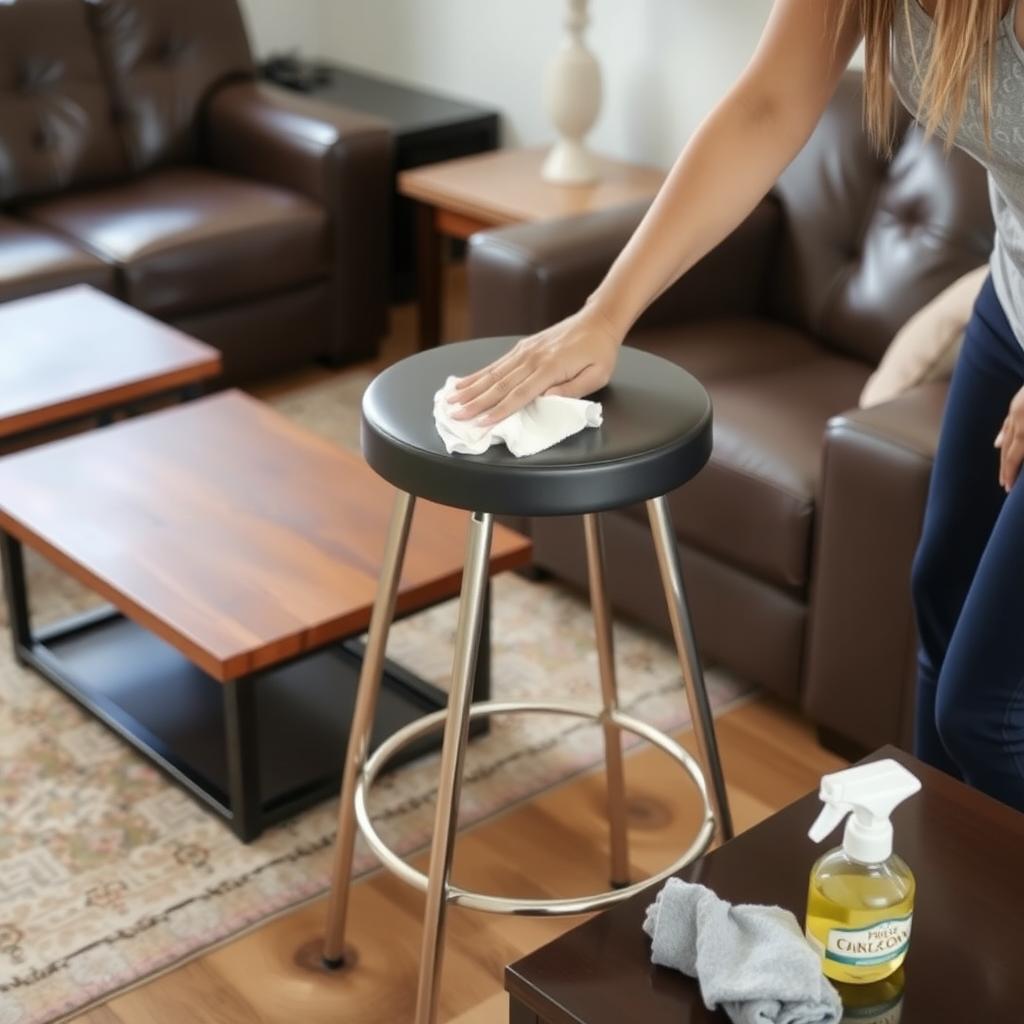
Wood pieces, like dining tables or bar stool frames, need gentle care. Avoid harsh chemicals; they strip finishes. I use a mix of vinegar and water for light cleaning, followed by a dry cloth. For scratches, a walnut rubbed over the mark can work magic, as noted by Bob Vila.
Upholstered Furniture
Vacuuming upholstery weekly prevents dirt buildup. For stains, I’ve had success with a baking soda paste on my couch. Apply, let it sit for 15 minutes, then vacuum. For bar stools with fabric seats, a handheld vacuum is perfect for tight spaces.
Leather Furniture
Leather adds luxury but needs care to avoid cracking. I clean my leather armchair with a dedicated cleaner every month and condition it twice a year. This keeps it soft and prevents wear, especially in dry climates. Good Housekeeping suggests using saddle soap for tough stains.
Metal Furniture
Metal bar stools or table frames are durable but prone to rust if neglected. Clean with mild soap and water, and dry thoroughly. For outdoor pieces, a thin wax layer adds protection. I learned this after my patio chairs rusted during a wet spring.
Preventing Damage
Use Coasters and Pads
Water rings and scratches are furniture’s enemies. Always use coasters on wooden tables and felt pads under heavy objects. I keep coasters on my bar counter to protect my bar stools’ wood accents.
Rotate Cushions
For sofas and chairs, rotate cushions monthly to ensure even wear. This doubled the life of my living room sofa. For bar stools with cushioned seats, flip them if possible to distribute weight evenly.
Tighten Hardware
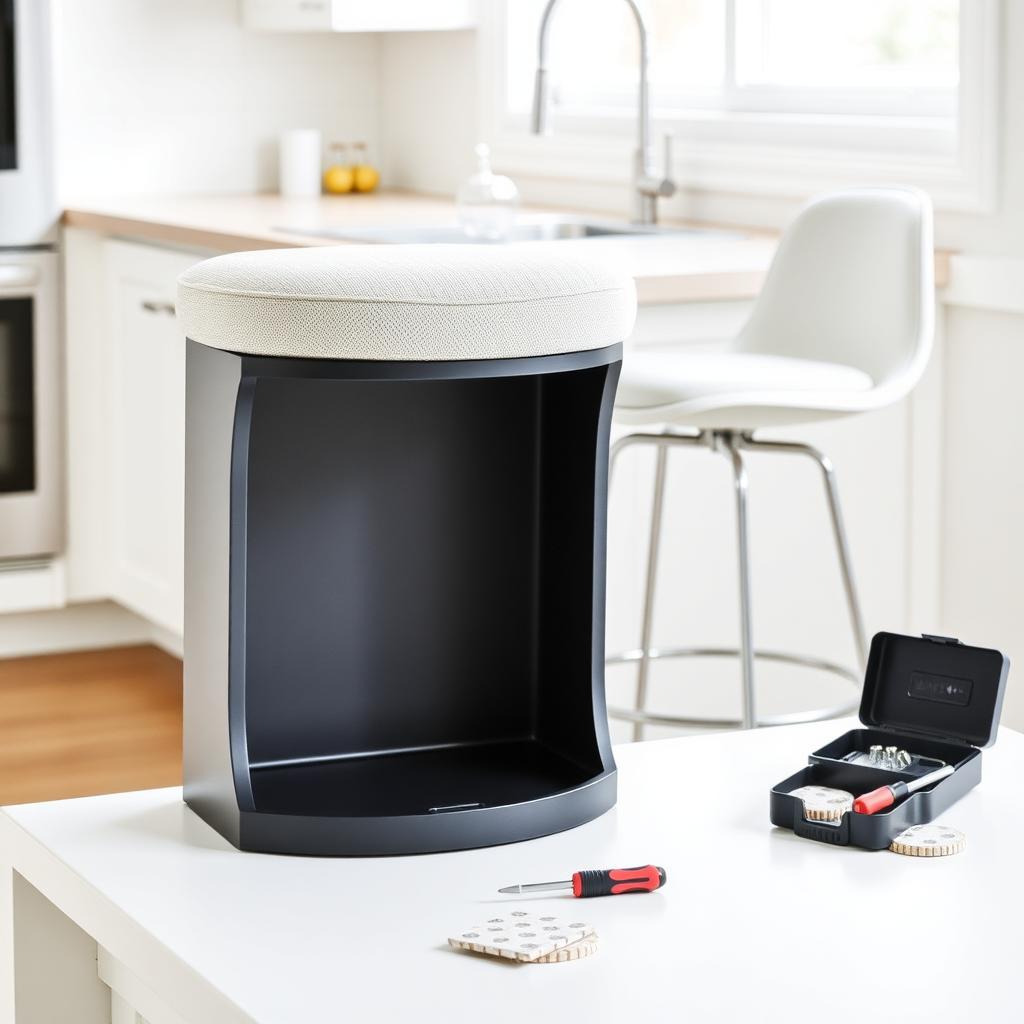
Wobbly furniture is a sign of loose screws or bolts. Check your bar stools and tables every six months. A quick tighten with a screwdriver fixed my creaky bar stool in minutes.
Repairing Minor Damage
Small scratches or dents don’t mean replacing furniture. For wood, I’ve used touch-up markers to hide scratches on my coffee table. For fabric tears on bar stools, a needle and thread can mend small rips. For bigger repairs, consult a professional to avoid further damage.
Seasonal Maintenance
Furniture needs vary by season. In winter, humidifiers prevent wood from drying out. In summer, extra dusting tackles pollen. I move my bar stools away from heaters to avoid warping. Penn State Extension recommends maintaining 40-60% humidity for wood furniture.
Eco-Friendly Care Tips
Sustainable care benefits your furniture and the planet. Use natural cleaners like vinegar or olive oil for wood. Avoid aerosol sprays with harsh chemicals. I switched to eco-friendly polishes, and my furniture still shines without the chemical smell.
When to Call a Professional
Some issues—like deep scratches or broken frames—need expert help. I once tried fixing a wobbly chair myself and made it worse. Professionals have tools and skills for complex repairs, ensuring your furniture stays safe and functional.
Summary
Furniture care and maintenance tips keep your pieces—whether a cherished table or a stylish bar stool—looking great and lasting longer. Regular cleaning, material-specific care, and preventive habits make all the difference. With these strategies, your furniture will remain a source of pride and comfort for years.