





Featured Post
The Best Materials for Weather-Proof Patio Furniture
Overview
Choosing the right patio furniture can transform your outdoor space into a cozy retreat. But with rain, sun, and wind constantly testing your furniture, picking weather-proof materials is key. This guide explores the best materials for weather-proof patio furniture, offering insights and patio furniture maintenance tips to keep your setup thriving.
Why Material Choice Matters
Patio furniture faces harsh conditions—blazing sun, heavy rain, and even snow in some regions. The wrong material can fade, rust, or crack, leaving you with a worn-out set in just one season. I’ve seen friends replace cheap furniture yearly because they didn’t prioritize durability. The best materials for weather-proof patio furniture balance strength, style, and low upkeep. Let’s dive into the top options.
Aluminum: Lightweight and Rust-Resistant
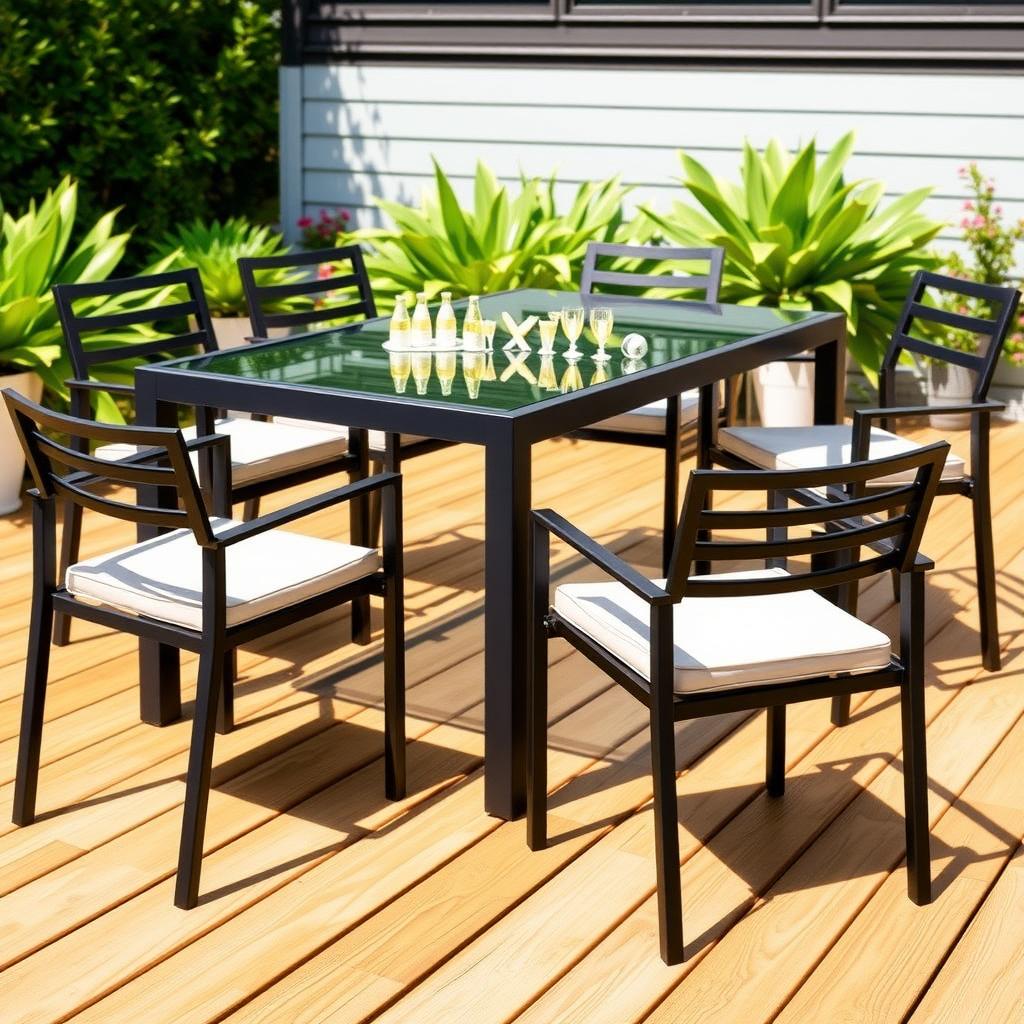
Aluminum is a go-to for patio furniture because it’s lightweight, strong, and doesn’t rust. It’s perfect for coastal areas where salty air can corrode other metals. I once helped a neighbor move an aluminum dining set, and it was a breeze—no heavy lifting required! Powder-coated aluminum adds extra protection against scratches and fading.
However, aluminum can feel cold to the touch and may dent under heavy impact. To keep it looking sharp, wipe it down regularly with soapy water. According to the University of Florida’s Extension Service, aluminum’s corrosion resistance makes it ideal for humid climates.
Teak: Timeless and Naturally Durable
Teak is a hardwood known for its natural oils, which repel water and resist insects. It’s a favorite for high-end patio furniture because it weathers beautifully, developing a silver-gray patina over time. My uncle’s teak bench has survived a decade of New England winters with minimal care, still looking elegant.
Teak’s downside? It’s pricey. But its longevity makes it a smart investment. To maintain its rich brown color, apply teak oil annually. For a low-maintenance approach, let it age naturally. The Forest Stewardship Council notes that sustainably sourced teak is an eco-friendly choice for outdoor furniture.
Synthetic Wicker: Stylish and Versatile
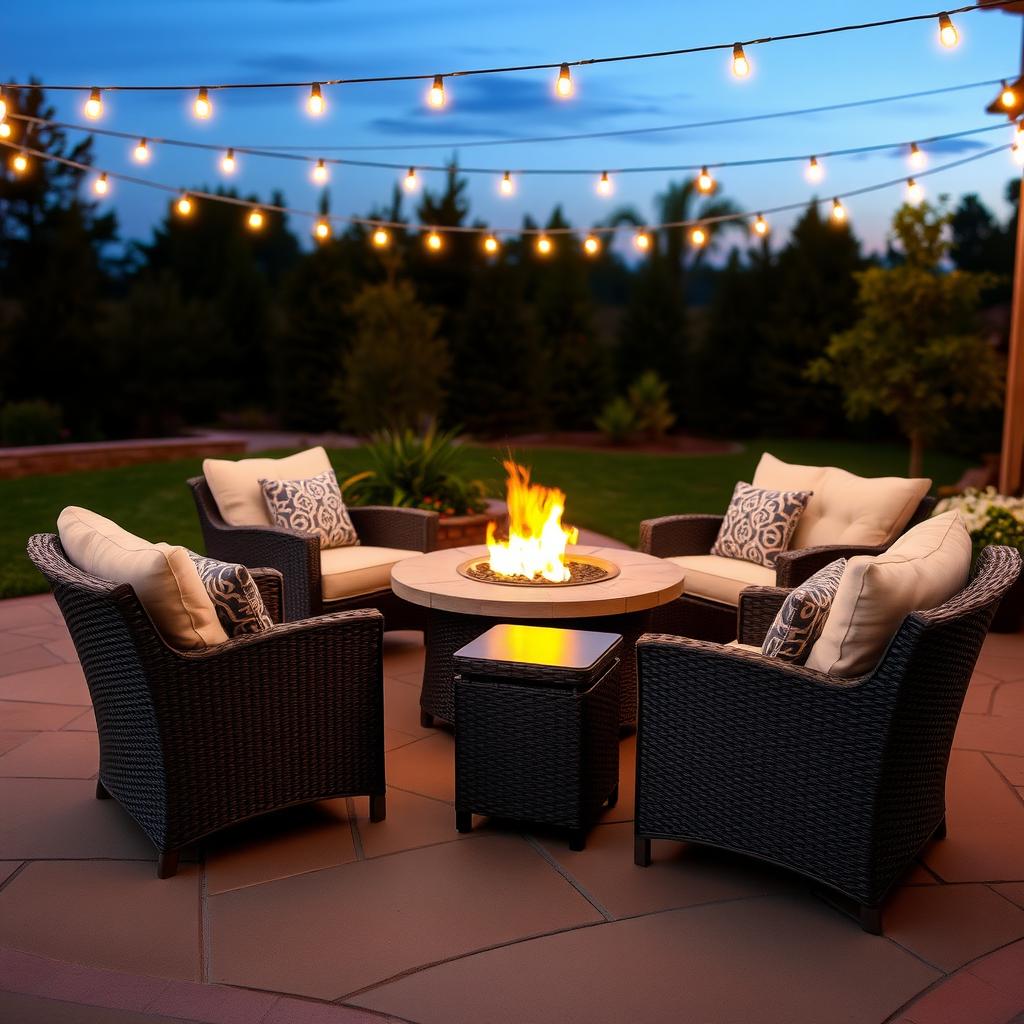
Synthetic wicker, made from resin or polyethylene, mimics the look of traditional wicker but handles weather like a champ. It’s UV-resistant, so it won’t fade in the sun, and it’s easy to clean. I’ve seen synthetic wicker sets at beachside cafes hold up through storms without a scratch.
The catch is that cheaper versions can crack in extreme cold. Opt for high-density polyethylene (HDPE) for better durability. Clean it with a hose and mild soap to keep it fresh. The American Chemistry Council highlights HDPE’s resistance to moisture and chemicals as a top feature.
Stainless Steel: Sleek and Sturdy
Stainless steel is another rust-resistant option, offering a modern, polished look. It’s heavier than aluminum, so it stays put in windy conditions. My cousin’s stainless steel bar cart has endured years of poolside parties without losing its shine. However, it can show fingerprints and needs occasional polishing.
Use a stainless steel cleaner to keep it spotless. The International Stainless Steel Forum explains that stainless steel’s chromium content creates a protective layer against corrosion, making it ideal for outdoor use.
Plastic and Resin: Budget-Friendly and Low-Maintenance
Plastic and resin furniture is affordable and lightweight, perfect for small budgets or temporary setups. Modern designs have come a long way—no more flimsy plastic chairs! I’ve used resin Adirondack chairs at a friend’s lake house, and they held up through rain and sun exposure.
The downside is that plastic can fade or become brittle over time. Look for UV-stabilized resin to extend its life. Clean with soapy water and avoid harsh chemicals. These materials are great for casual settings but may not match the elegance of teak or steel.
Patio Furniture Maintenance Tips
No matter the material, proper care extends your furniture’s life. Here are practical patio furniture maintenance tips to keep your set in top shape:
- Clean Regularly: Dust and debris can wear down surfaces. Use mild soap and water for most materials. Avoid abrasive scrubbers that can scratch.
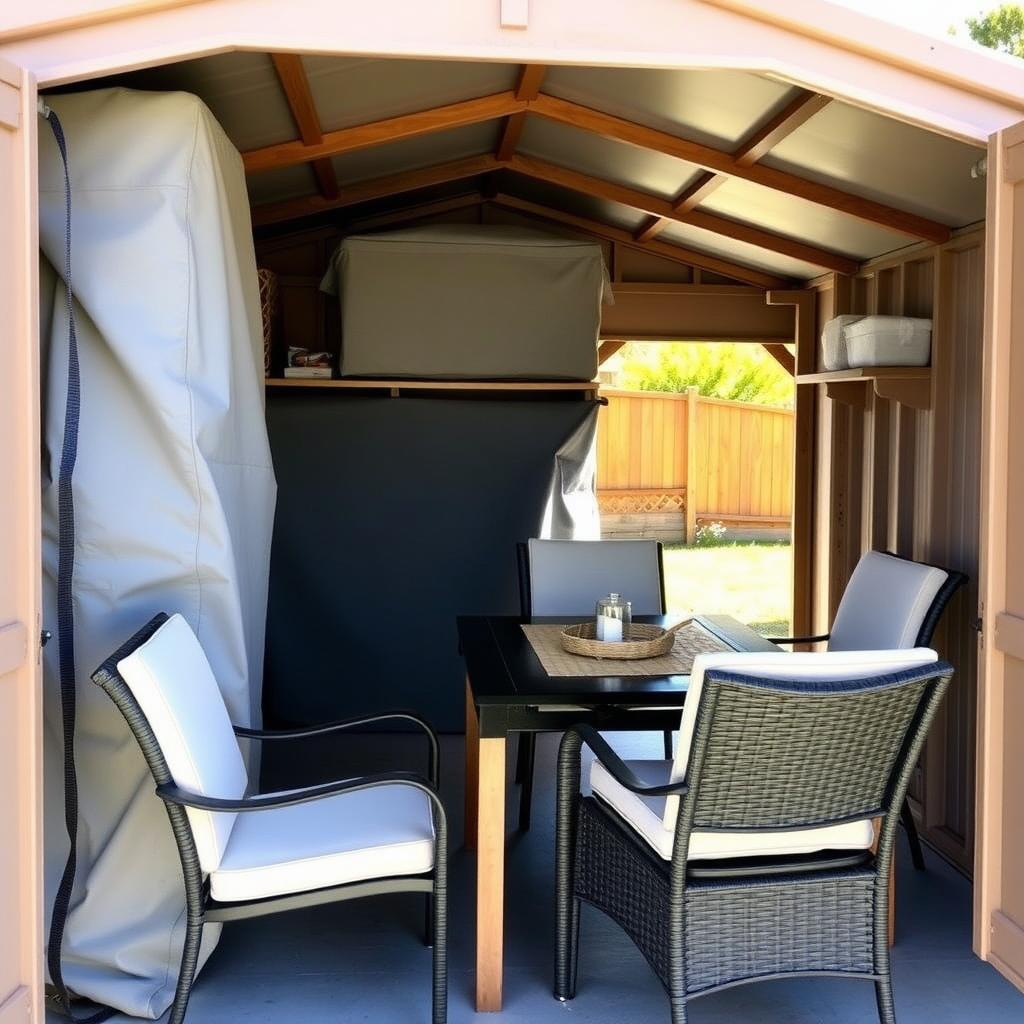
- Cover or Store: Use weather-resistant covers during off-seasons or storms. If possible, store furniture indoors during extreme weather.
- Check for Damage: Inspect for cracks, rust, or loose screws monthly. Early fixes prevent bigger problems.
- Cushion Care: Store cushions in a dry place to prevent mold. Use mildew-resistant fabrics for added protection.
- Seasonal Treatments: Apply sealants to wood or protective sprays to metals annually to boost durability.
Comparing Materials: Which Is Right for You?
Choosing the best material depends on your climate, budget, and style. Here’s a quick comparison:
| Material | Pros | Cons | Best For |
|---|---|---|---|
| Aluminum | Lightweight, rust-resistant, affordable | Can dent, feels cold | Coastal or humid areas |
| Teak | Durable, beautiful patina, eco-friendly | Expensive, needs occasional oiling | Long-term investment |
| Synthetic Wicker | Stylish, UV-resistant, easy to clean | May crack in cold | Casual, sunny settings |
| Stainless Steel | Modern look, sturdy, rust-resistant | Shows fingerprints, heavy | Windy or modern spaces |
| Plastic/Resin | Budget-friendly, lightweight | Can fade, less elegant | Temporary or casual use |
Reflect on your priorities. If you’re in a rainy area, prioritize rust resistance. If style matters most, teak or stainless steel might be your pick.
Personal Insights: What I’ve Learned
After years of helping friends and family pick patio furniture, I’ve learned that investing in quality materials saves money in the long run. My own aluminum set has lasted five years with minimal care, but I wish I’d splurged on teak for its timeless look. Whatever you choose, regular maintenance is non-negotiable—think of it like brushing your teeth. A little effort keeps your furniture shining for years.
Summary
The best materials for weather-proof patio furniture—aluminum, teak, synthetic wicker, stainless steel, and resin—offer durability and style for any outdoor space. By understanding their strengths and following simple patio furniture maintenance tips, you can create a lasting, inviting backyard oasis. Choose wisely, care diligently, and enjoy your outdoor retreat for years to come.