








Featured Post
The Best Sustainable Materials for Outdoor Furniture: A Comprehensive Guide
Overview: Crafting an Eco-Friendly Outdoor Oasis
Creating a beautiful outdoor space doesn’t have to harm the environment. By choosing the best sustainable materials for outdoor furniture, you can design a patio that’s stylish, durable, and kind to the planet. This guide explores eco-friendly options, practical tips, and insights to help you make informed choices for your patio furniture.
Why Choose Sustainable Outdoor Furniture?
Outdoor furniture faces harsh conditions—sun, rain, and temperature swings. Sustainable materials not only withstand these elements but also reduce your environmental footprint. They’re often sourced responsibly, recyclable, or made from renewable resources, aligning with a growing demand for eco-conscious living. According to a 2023 report by the Sustainable Furnishings Council, over 60% of consumers now prioritize eco-friendly furniture when shopping, reflecting a shift toward greener choices.
Choosing eco-friendly patio furniture options means investing in pieces that last longer and require less frequent replacement, saving you money and reducing waste. Plus, sustainable materials often bring unique textures and aesthetics, elevating your patio’s style. Let’s dive into the top materials that balance durability, beauty, and environmental responsibility.
Top Sustainable Materials for Outdoor Furniture
Here are the best materials for eco-friendly patio furniture, each with unique benefits and considerations:
1. Reclaimed Teak
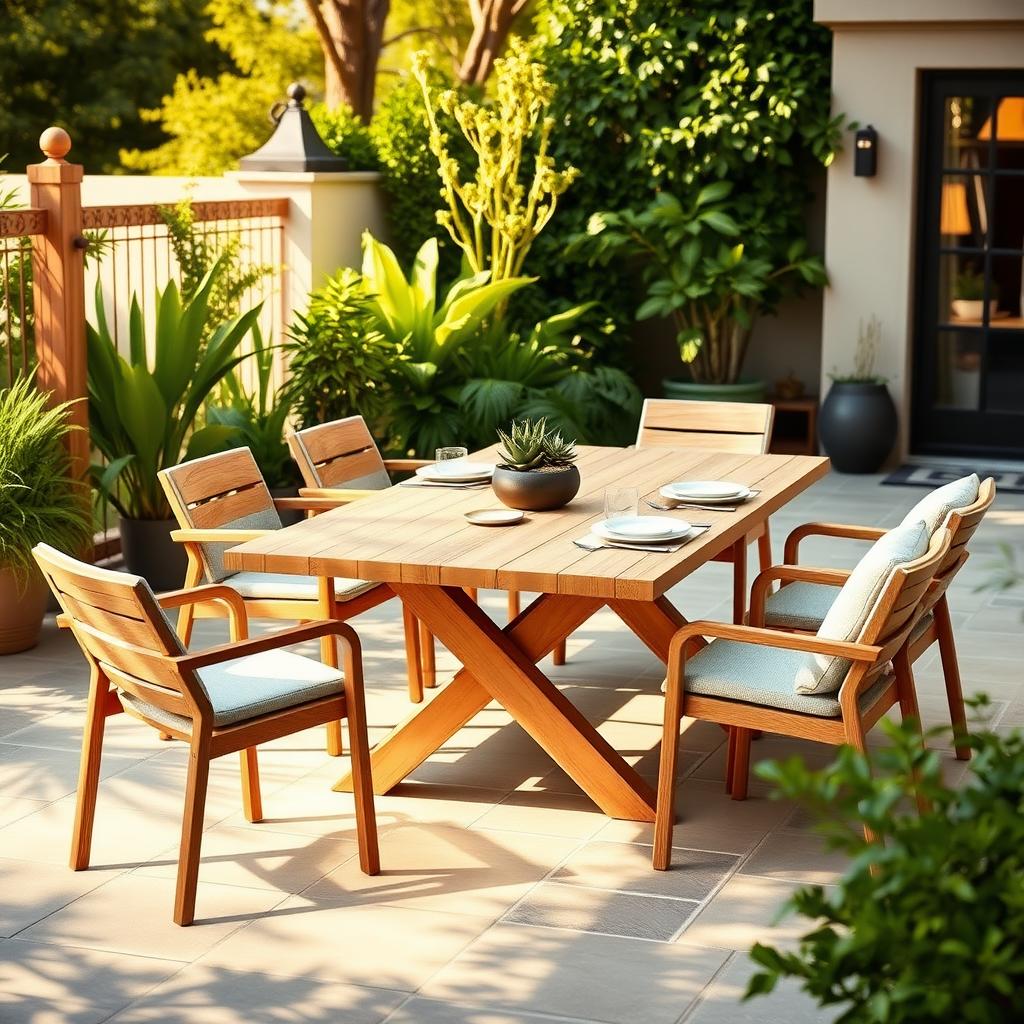
Teak is a hardwood known for its durability and weather resistance, making it a top choice for outdoor furniture. Reclaimed teak, sourced from old buildings or ships, reduces the need for new tree harvesting. Its rich grain and golden hue add timeless elegance to any patio.
- Pros: Long-lasting, naturally resistant to moisture and insects, low environmental impact.
- Cons: Higher cost due to limited supply.
- Best for: Dining sets, benches, and loungers.
Personal Insight: I’ve seen reclaimed teak furniture in coastal homes that still looks stunning after a decade of use. Its weathered patina adds character, and knowing it’s repurposed feels rewarding.
2. Recycled Plastic
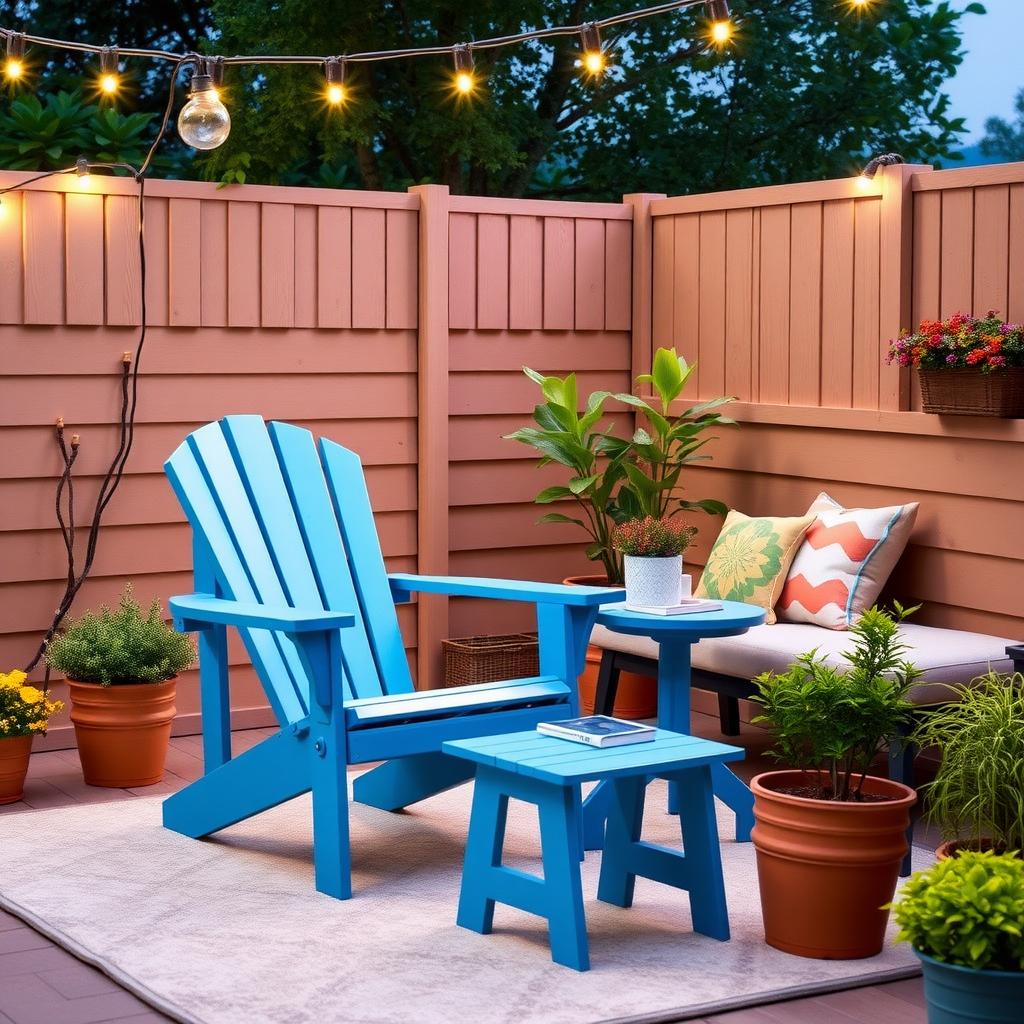
Recycled plastic furniture, often made from post-consumer waste like milk jugs, is a game-changer. Brands like Polywood transform this material into sturdy, colorful pieces that mimic wood’s look without the maintenance. A study from the EPA highlights that recycling plastics reduces landfill waste and energy use compared to producing new materials.
- Pros: Weatherproof, fade-resistant, available in vibrant colors.
- Cons: Can feel less premium than wood or metal.
- Best for: Adirondack chairs, side tables, and casual seating.
3. Bamboo
Bamboo grows quickly, making it a renewable resource for outdoor furniture. When treated properly, it’s strong and weather-resistant. Its lightweight nature and natural aesthetic make it ideal for modern, minimalist patios.
- Pros: Fast-growing, lightweight, affordable.
- Cons: Requires regular sealing to prevent cracking.
- Best for: Lounge chairs, small tables, and decorative screens.
Personal Insight: A friend’s bamboo patio set looked amazing, but they learned the hard way to seal it annually to avoid wear. It’s a low-effort task for a big payoff.
4. FSC-Certified Wood
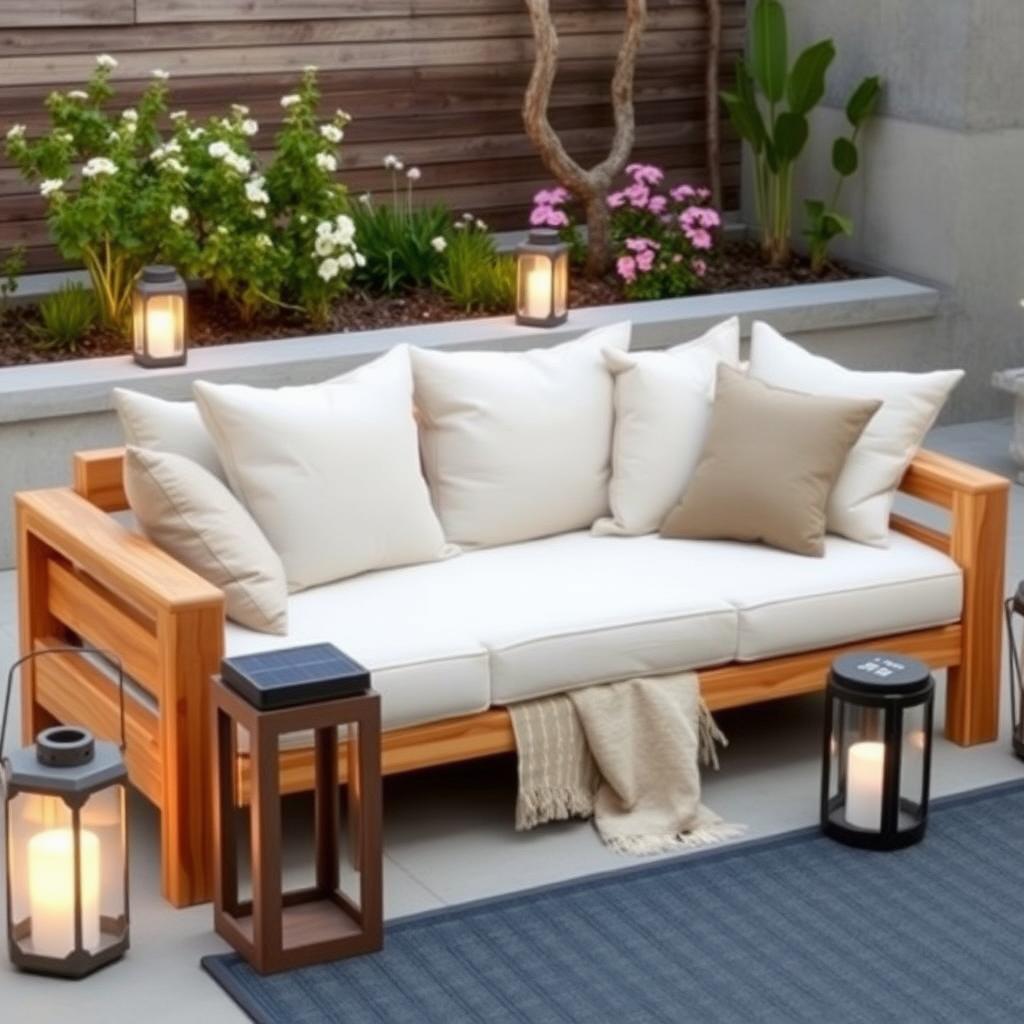
Wood certified by the Forest Stewardship Council (FSC) comes from responsibly managed forests. Species like eucalyptus or acacia are durable and naturally resistant to decay, perfect for outdoor use.
- Pros: Sustainable sourcing, natural beauty, sturdy.
- Cons: Requires maintenance like sealing or oiling.
- Best for: Sofas, dining tables, and pergolas.
5. Aluminum with Eco-Friendly Coatings
Aluminum is lightweight, rust-resistant, and recyclable, making it a sustainable choice when paired with non-toxic, eco-friendly coatings. Modern designs use powder-coated aluminum for sleek, durable furniture.
- Pros: Low maintenance, recyclable, lightweight.
- Cons: Can heat up in direct sun.
- Best for: Modern dining sets and lounge chairs.
How to Choose the Right Sustainable Patio Furniture
Selecting the ultimate guide to choosing patio furniture starts with understanding your needs and space. Here’s a step-by-step approach:
- Assess Your Climate: If you live in a rainy area, prioritize materials like recycled plastic or aluminum that resist moisture. For sunny regions, choose fade-resistant options like teak or coated metals.
- Consider Maintenance: Low-maintenance materials like recycled plastic are ideal for busy households, while wood may appeal to those who enjoy upkeep for a classic look.
- Match Your Style: Sustainable furniture comes in various aesthetics, from rustic teak to modern aluminum. Pick pieces that complement your outdoor decor.
- Check Certifications: Look for FSC certification or recycled material labels to ensure eco-friendliness.
- Test for Comfort: Sustainable doesn’t mean sacrificing comfort. Try out seating or add cushions for extra coziness.
Enhancing Your Patio with Sustainable Accessories
Patio furniture accessories and decor can elevate your outdoor space while staying eco-friendly. Consider these options:
| Accessory | Sustainable Material | Why It Works |
|---|---|---|
| Cushions | Organic cotton or recycled polyester | Soft, durable, and eco-conscious |
| Rugs | Recycled plastic or hemp | Weather-resistant and stylish |
| Planters | Recycled ceramic or bamboo | Adds greenery without waste |
| Lighting | Solar-powered LEDs | Energy-efficient and charming |
Personal Insight: I swapped out my old patio cushions for ones made of recycled polyester, and they’ve held up through two summers without fading. Plus, solar lights create a magical vibe at night.
Maintenance Tips for Long-Lasting Furniture
To keep your patio furniture looking great, follow these tips: - Clean Regularly: Wipe down surfaces with mild soap and water to prevent dirt buildup. - Protect from Elements: Use eco-friendly covers or store furniture during harsh weather. - Seal Wood: Apply a non-toxic sealant to bamboo or FSC-certified wood annually. - Check for Wear: Inspect recycled plastic or aluminum for cracks and address them promptly.
A guide from the University of Georgia Extension emphasizes that proper maintenance can extend outdoor furniture life by up to 50%, saving resources and money.
The Bigger Picture: Why Sustainability Matters
Choosing sustainable materials isn’t just about your patio—it’s about the planet. Furniture production contributes to deforestation and waste, but eco-friendly choices reduce these impacts. By investing in eco-friendly patio furniture options, you’re supporting ethical manufacturing and a healthier environment. Plus, these pieces often tell a story, like reclaimed teak from an old barn or plastic reborn from ocean waste.
Summary: Building a Greener Patio
Creating an eco-friendly outdoor space is easier than ever with the best sustainable materials for outdoor furniture. From reclaimed teak to recycled plastic, these options offer durability, style, and environmental benefits. By choosing wisely and maintaining your furniture, you can enjoy a beautiful patio that reflects your values. Explore the recommended readings below for more inspiration.