








Featured Post
Furniture Care and Cleaning Guide: Keep Your Home Looking New
Overview
Furniture is the heart of your home, from the dining table where memories are made to the cozy sofa where you unwind. Keeping it clean and well-maintained extends its life and beauty. This furniture care and cleaning guide offers practical, easy-to-follow tips to ensure your furniture stays in top shape.
Why Furniture Care Matters
Furniture isn’t just functional—it’s an investment. A well-cared-for table or chair can last decades, while neglect can lead to stains, scratches, or worse. I’ve seen a beautiful oak dining table lose its charm from years of spilled wine and no proper cleaning. Regular care keeps your furniture looking new and saves you money on replacements.
Start by understanding your furniture’s materials. Wood, leather, fabric, and metal each require specific cleaning methods. Using the wrong cleaner can damage surfaces, so always check manufacturer guidelines or test products on a small, hidden area first.
Cleaning Wooden Furniture
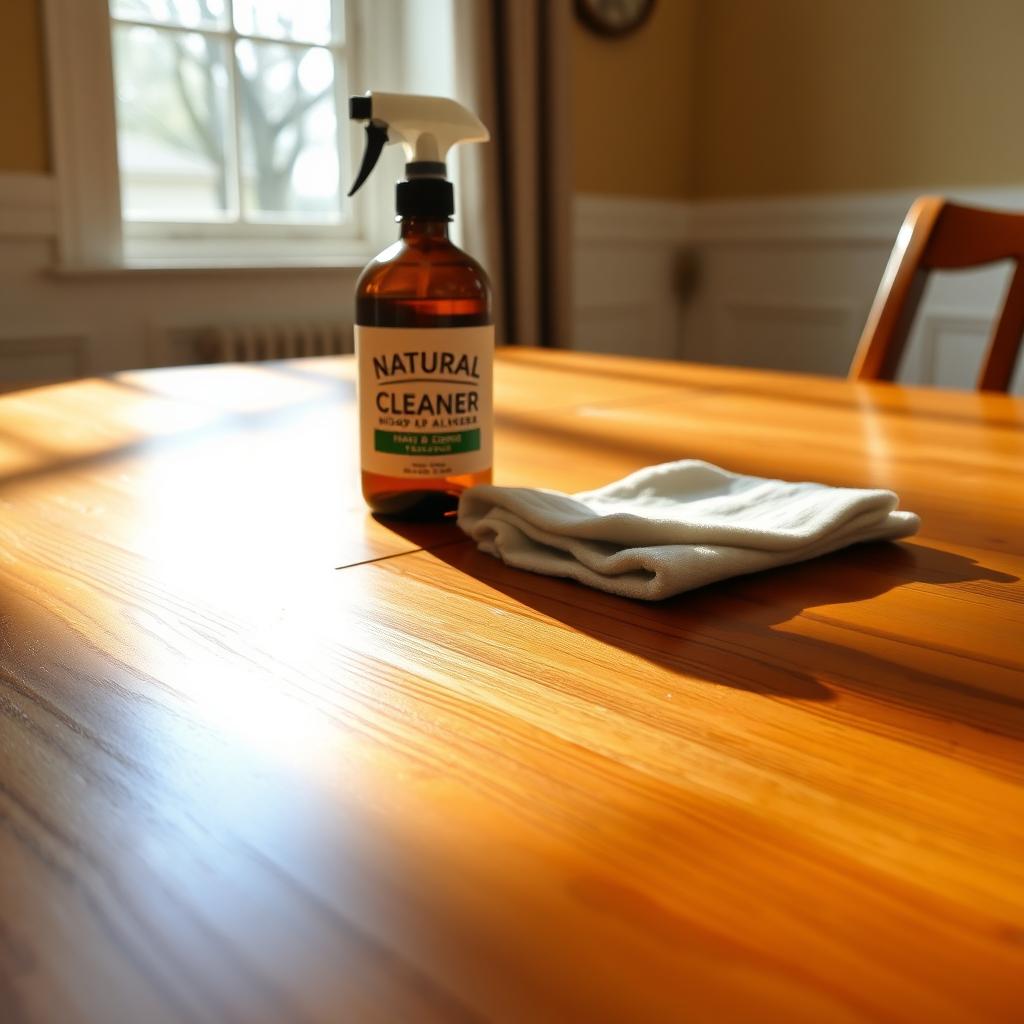
Wooden furniture, like tables and cabinets, is common in most homes. Dusting weekly with a microfiber cloth prevents buildup that can scratch surfaces. Avoid feather dusters—they just spread dust around.
For deeper cleaning, use a mild dish soap mixed with warm water. Dampen a cloth, never soak it, and wipe gently. Dry immediately to prevent water marks. For stubborn stains on a table, mix baking soda with water to form a paste, apply it gently, and wipe clean. I once revived a coffee table with this trick after a guest left a sticky juice ring.
Polish wood every 6-12 months with a natural, beeswax-based polish. Avoid silicone-based products—they can leave a residue. According to Bob Vila, over-polishing can dull wood, so moderation is key.
Wood Care Dos and Don’ts
| Do | Don’t |
|---|---|
| Dust weekly with microfiber | Use all-purpose cleaners |
| Use coasters for drinks | Place hot items directly on wood |
| Polish sparingly with natural products | Soak wood with water |
These simple habits protect your wooden furniture from daily wear.
Caring for Upholstered Furniture
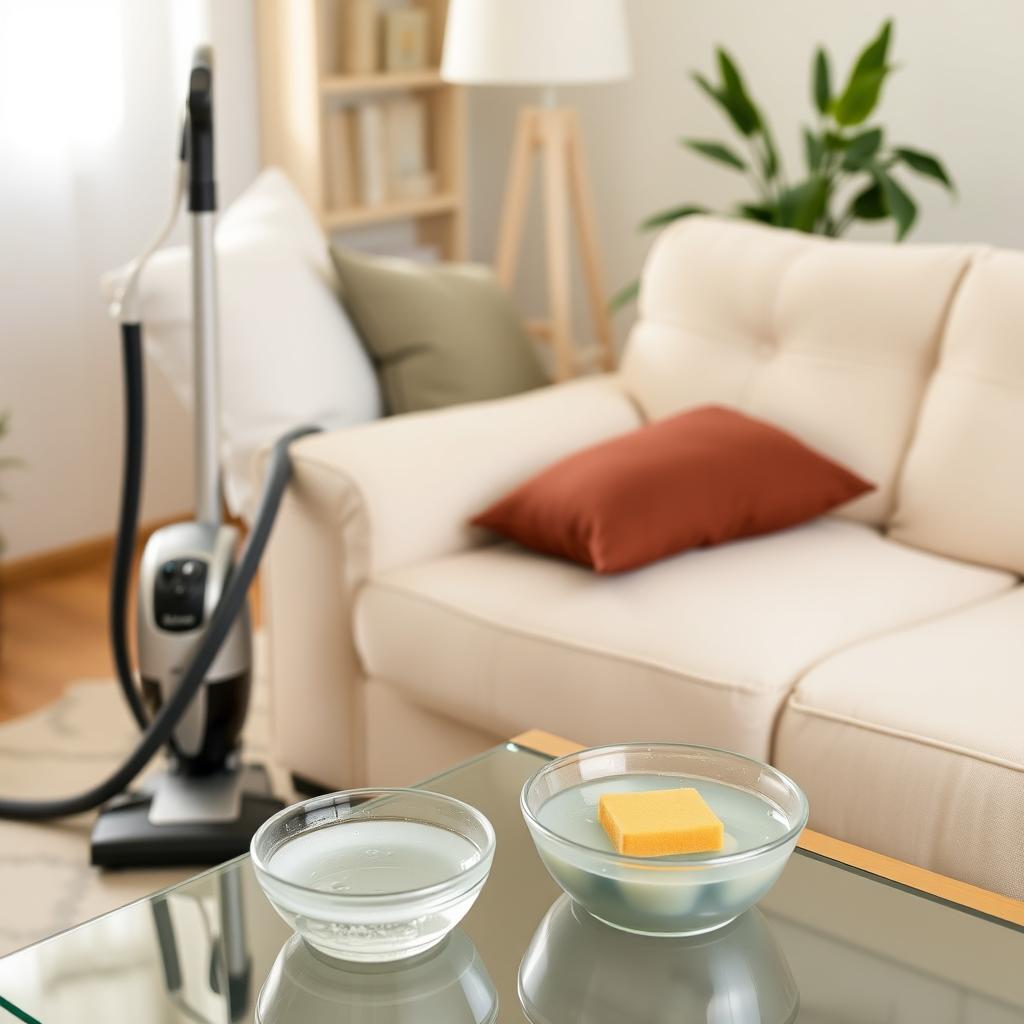
Sofas and chairs with fabric or leather upholstery need regular attention. Vacuum fabric upholstery weekly using a brush attachment to remove dust and crumbs. For spills, blot immediately—don’t rub. I learned this the hard way when a red wine spill on my couch turned into a faint stain because I scrubbed too hard.
For fabric, check the cleaning code (W for water-based, S for solvent-based, or WS for both). Use a mild detergent for W-coded fabrics or a dry-cleaning solvent for S-coded ones. Leather requires a different approach. Wipe it with a damp cloth and use a leather conditioner every 6 months to prevent cracking. Good Housekeeping suggests avoiding harsh chemicals on leather to maintain its softness.
Metal and Glass Furniture Care
Metal furniture, like table frames or chairs, can rust or tarnish if neglected. Wipe with a damp cloth and dry thoroughly to prevent corrosion. For stainless steel, a mix of vinegar and water removes smudges. I’ve used this on a metal patio table, and it sparkles every time.
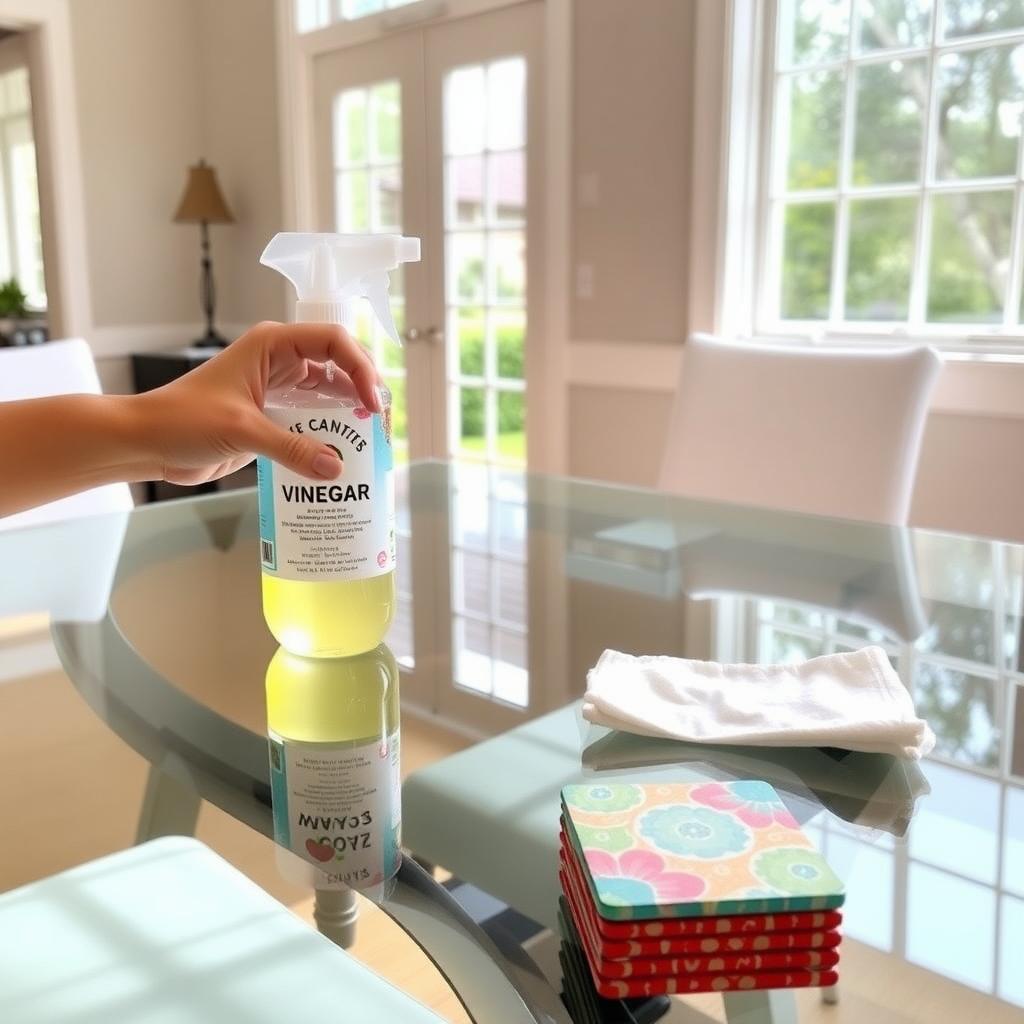
Glass tabletops need streak-free cleaning. Use a 50/50 mix of water and white vinegar in a spray bottle, then wipe with a lint-free cloth. Avoid abrasive scrubbers—they scratch glass. Regular cleaning keeps your glass furniture crystal clear and free of fingerprints.
Preventing Damage to Furniture
Prevention is half the battle in furniture care. Use coasters, placemats, or tablecloths on tables to avoid scratches and stains. Felt pads under table legs prevent floor scratches when moving furniture. Keep furniture away from direct sunlight to avoid fading—my sister’s cherry wood table faded noticeably after a year by a sunny window.
For pet owners, trim pet nails and use throws on furniture to protect upholstery. Vacuum pet hair weekly to avoid buildup. If you have kids, consider washable slipcovers for sofas and chairs—they’re a lifesaver for messes.
Deep Cleaning Tips
Every few months, give your furniture a thorough clean. For wooden tables, remove sticky residue with a mix of olive oil and vinegar (1:1 ratio). Apply sparingly, wipe, and polish. For upholstery, rent a steam cleaner for a deep refresh—check with the manufacturer first. I’ve steam-cleaned my sofa once a year, and it looks brand new.
For tough stains, consult a professional cleaner, especially for antiques or delicate materials. The Furniture Industry Research Association emphasizes professional care for high-value pieces to avoid irreversible damage.
Eco-Friendly Cleaning Solutions
Store-bought cleaners can be harsh and expensive. Instead, try natural solutions. Vinegar, baking soda, and olive oil are staples in my home. They’re affordable, safe, and effective. For example, a mix of lemon juice and olive oil can polish wood naturally, leaving a fresh scent.
When buying commercial products, choose eco-friendly ones with biodegradable ingredients. They’re gentler on your furniture and the environment. Always store cleaning products safely, especially if you have kids or pets.
Seasonal Maintenance Checklist
- Spring: Deep clean upholstery and polish wood furniture.
- Summer: Protect furniture from humidity with dehumidifiers if needed.
- Fall: Check for scratches or wear and touch up with polish.
- Winter: Keep furniture away from heaters to prevent drying or cracking.
Following this checklist keeps your furniture in top condition year-round.
Summary
Caring for your furniture doesn’t have to be overwhelming. With regular dusting, proper cleaning techniques, and preventive measures, your tables, sofas, and chairs can stay beautiful for years. Use the right products for each material, test cleaners first, and don’t skip seasonal maintenance. Your furniture—and your wallet—will thank you.