








Featured Post
Donating vs. Recycling: What's the Difference? by The Spruce
Overview
When decluttering your home, you face a choice: should you donate or recycle your unwanted items? Both options support Sustainable Living: Donating and Recycling Unwanted Items, but they serve different purposes. Donating gives items a second life, while recycling transforms them into new materials. This article breaks down the differences, offers practical organizing tips for a six-drawer dresser, and helps you make eco-friendly decisions.
Why Donating and Recycling Matter
Clutter can pile up fast, especially in spaces like your bedroom where a dresser or other furniture holds everything from clothes to keepsakes. Deciding what to do with these items can feel overwhelming, but both donating and recycling reduce waste and promote sustainability. According to the U.S. Environmental Protection Agency, Americans generated 292.4 million tons of waste in 2018, with only 32% recycled or composted. Choosing the right path for your items can make a real difference.
I’ve been there, staring at a stuffed six-drawer dresser, wondering how to clear it out without adding to a landfill. Donating and recycling became my go-to solutions, but learning which items fit each category took some trial and error. Let’s dive into the differences to help you decide what’s best for your stuff.
What Is Donating?
Donating means giving gently used items to charities, thrift stores, or community organizations. It’s perfect for things like clothing, furniture, books, or household goods that are still in good condition. When you donate, someone else can use your items, extending their lifespan and reducing the need for new products.
For example, that dresser you no longer love could be a treasure for a family in need. Organizations like Goodwill or local shelters often accept furniture and clothing, but they usually require items to be clean and functional. Donating supports communities and keeps usable goods out of landfills.
What Is Recycling?
Recycling involves breaking down items into raw materials to create new products. It’s ideal for things that can’t be reused in their current form, like broken electronics, certain plastics, or worn-out textiles. Recycling prevents waste from ending up in landfills but requires energy and resources to process.
Not everything in your six-drawer dresser can be donated. Torn clothes or broken accessories, for instance, might be better recycled. The Ellen MacArthur Foundation explains that a circular economy, which includes recycling, reduces waste by keeping materials in use. Check with your local recycling program to see what they accept—some take textiles, while others focus on paper, glass, or metal.
Key Differences Between Donating and Recycling
Here’s a quick comparison to help you decide:
| Aspect | Donating | Recycling |
|---|---|---|
| Purpose | Gives items a second life | Breaks items down for new materials |
| Condition | Must be usable, gently used | Can be damaged or unusable |
| Examples | Clothes, furniture, books | Broken electronics, worn textiles |
| Impact | Supports communities | Reduces landfill waste |
| Process | Drop off at charities | Sort and take to recycling centers |
Donating feels more personal because you know someone will benefit directly. Recycling, on the other hand, is about long-term environmental impact but might not give you that same warm, fuzzy feeling.
Organizing Tips for a Six-Drawer Dresser
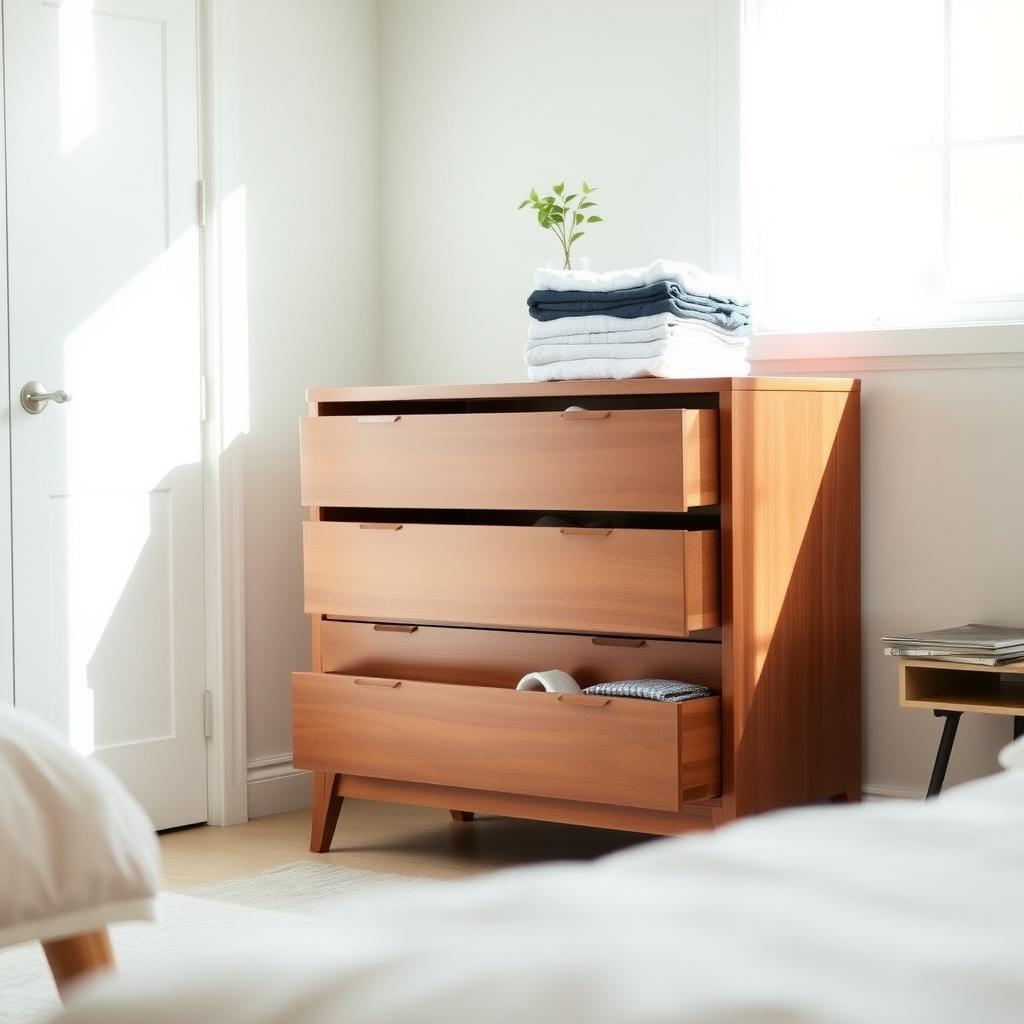
Before you donate or recycle, decluttering your dresser is a great starting point. Here’s how I tackled my own six-drawer dresser to make sustainable choices:
- Sort by Category: Empty each drawer and group items (clothes, accessories, miscellany). This helps you see what’s worth keeping, donating, or recycling.
- Check Condition: Hold up each item. Is it stained or torn? Recycle it. Is it gently used? Consider donating.
- Use the One-Year Rule: If you haven’t worn or used it in a year, it’s time to let it go.
- Maximize Space: Fold clothes tightly or use drawer dividers to keep your dresser organized after decluttering.
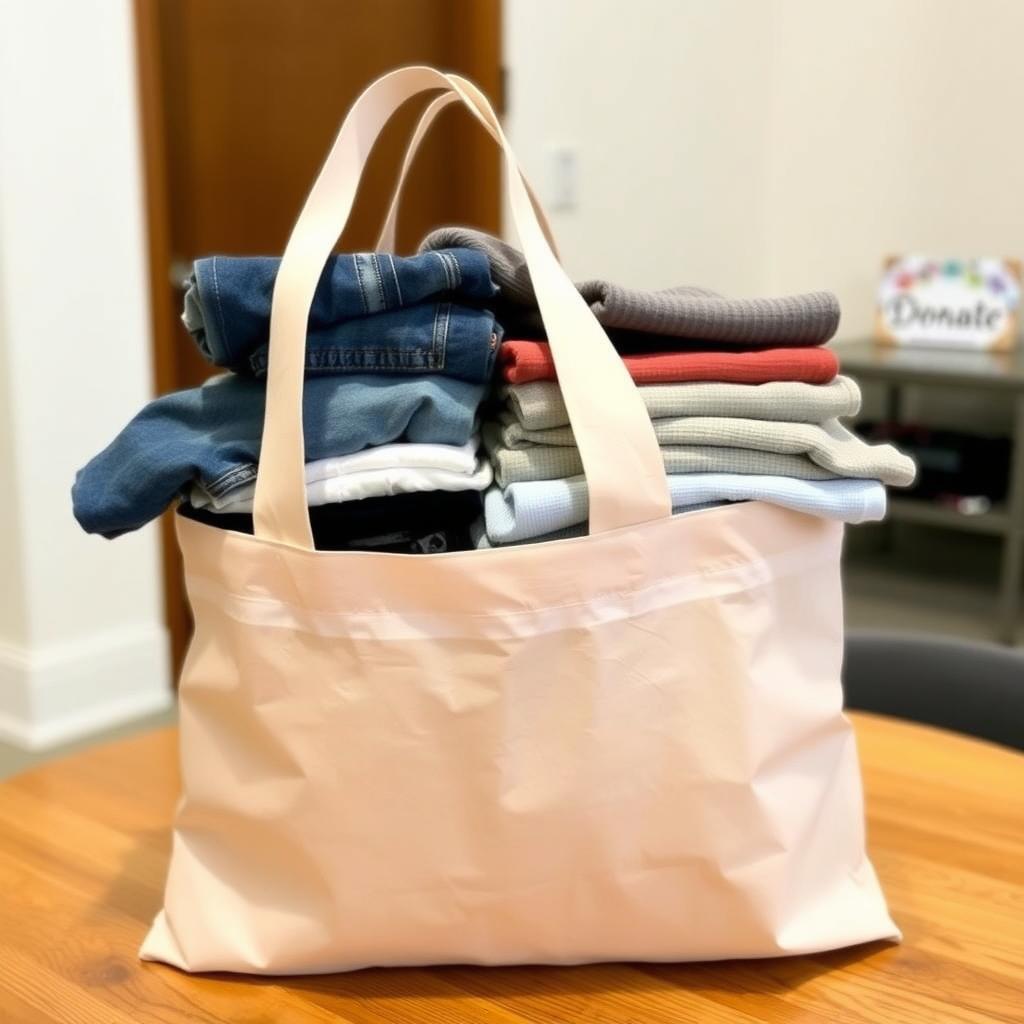
I found a pair of jeans I hadn’t worn in years but were still in great shape—perfect for donation. A ripped T-shirt, though, went to a textile recycling bin.
How to Decide: Donate or Recycle?
Ask yourself these questions:
- Is it usable? If the item is in good condition, like a dresser or clothing, donate it.
- Can it be repaired? Minor fixes might make an item donation-ready.
- Is it recyclable? Check local guidelines. Some areas recycle textiles, while others don’t.
- Does it have sentimental value? If it’s hard to part with, consider keeping or repurposing it.
I once tried donating a broken lamp, only to learn it wasn’t accepted. Instead, I took it to an electronics recycling center. Knowing your options saves time and ensures your items are handled responsibly.
Where to Donate or Recycle
- Donating: Look for local charities, thrift stores, or organizations like Habitat for Humanity, which accepts furniture. Call ahead to confirm what they take.
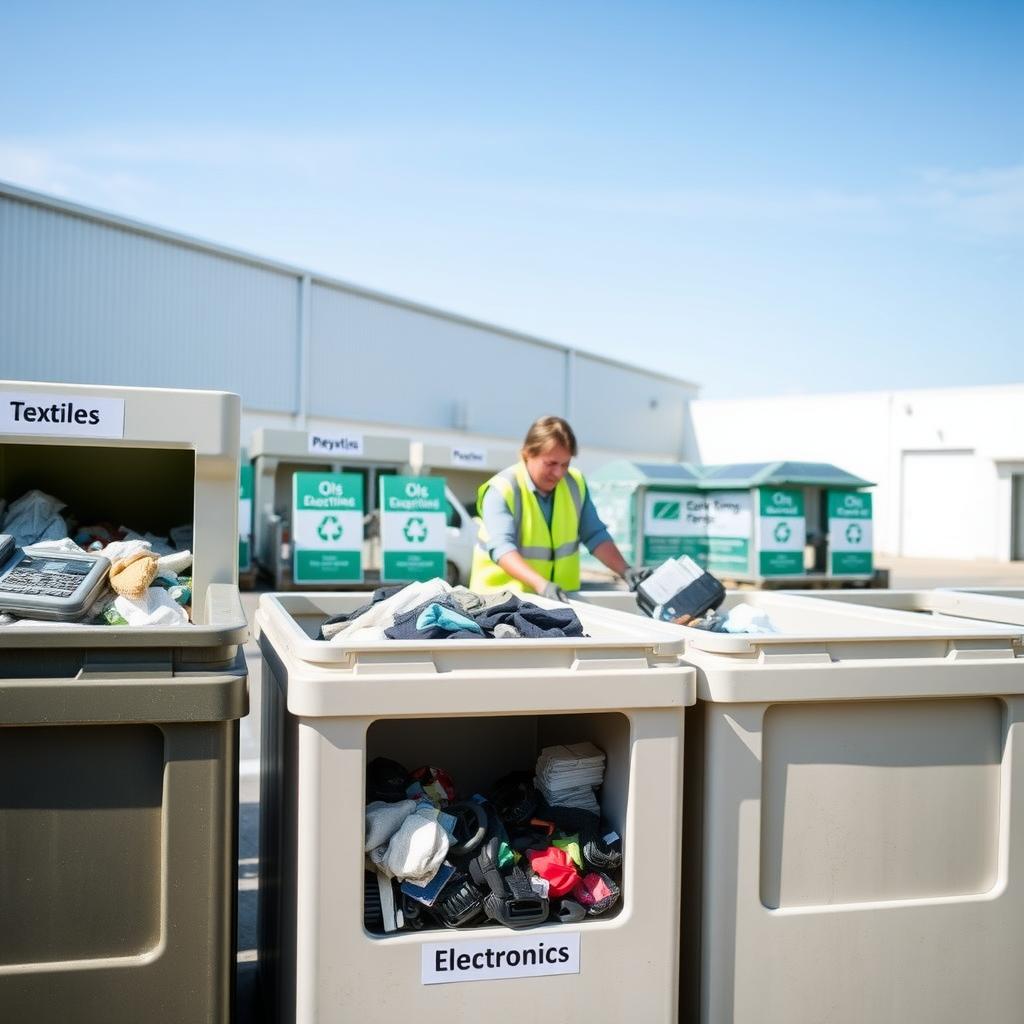
- Recycling: Visit your local recycling center or check Earth911 for nearby facilities. Some retailers, like H&M, offer textile recycling programs.
Pro tip: Keep a donation bin in your home for ongoing decluttering. It’s easier to drop off items regularly than to let them pile up.
Environmental and Social Impact
Donating and recycling both contribute to Sustainable Living: Donating and Recycling Unwanted Items. Donating supports communities by providing affordable goods, while recycling conserves resources. For instance, recycling one ton of textiles saves 20 cubic yards of landfill space, per the EPA. Combining both practices maximizes your impact.
I felt great donating a dresser to a local shelter—it was still sturdy, just not my style anymore. Recycling old sheets, though, gave me peace of mind knowing they wouldn’t end up in a landfill. Both choices felt like small wins for the planet and my community.
Summary
Donating vs. Recycling: What's the Difference? by The Spruce comes down to purpose and condition. Donate usable items like furniture or clothes to help others. Recycle broken or worn-out items to reduce waste. Start by organizing your six-drawer dresser with our tips, then choose the path that aligns with your goals. Sustainable living is about making thoughtful choices, one item at a time.