





Featured Post
Employee Well-being: Strategies for a Healthier Workplace
Overview
Creating a workplace that prioritizes Employee Well-being: Strategies for a Healthier Workplace is no longer optional—it’s essential. Happy, healthy employees are more engaged, productive, and loyal. This article explores practical ways to foster well-being, from ergonomic office setups to innovative rest solutions, ensuring your team thrives.
Why Employee Well-being Matters
A healthy workplace isn’t just about physical health—it’s about mental and emotional wellness too. When employees feel supported, they’re more likely to stay motivated and perform at their best. Studies show that companies prioritizing well-being see lower turnover rates and higher job satisfaction. For example, a 2021 Gallup study found that high employee engagement correlates with 23% higher profitability.
But what does well-being look like in practice? It’s about creating an environment where people feel valued, comfortable, and empowered. This starts with understanding their needs and addressing them through thoughtful workplace design and policies.

Ergonomic Workstations: The Foundation of Comfort
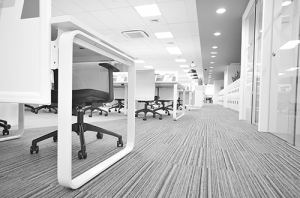
One of the most effective ways to support employee well-being is through office furniture for ergonomic workstations. Sitting for long hours can lead to back pain, poor posture, and fatigue. Ergonomic furniture, like adjustable desks and supportive chairs, helps employees stay comfortable and focused.
Here’s how to choose the right ergonomic furniture: - Adjustable Desks: Allow employees to switch between sitting and standing to reduce strain. - Supportive Chairs: Look for lumbar support and adjustable features to fit different body types. - Monitor Stands: Position screens at eye level to prevent neck strain.
A personal tip: I once worked in an office with fixed desks and stiff chairs. After switching to an ergonomic setup, I noticed less fatigue and fewer aches by the end of the day. Investing in quality furniture isn’t just about comfort—it’s about long-term health.
Innovative Office Bed Solutions: Rest as a Priority
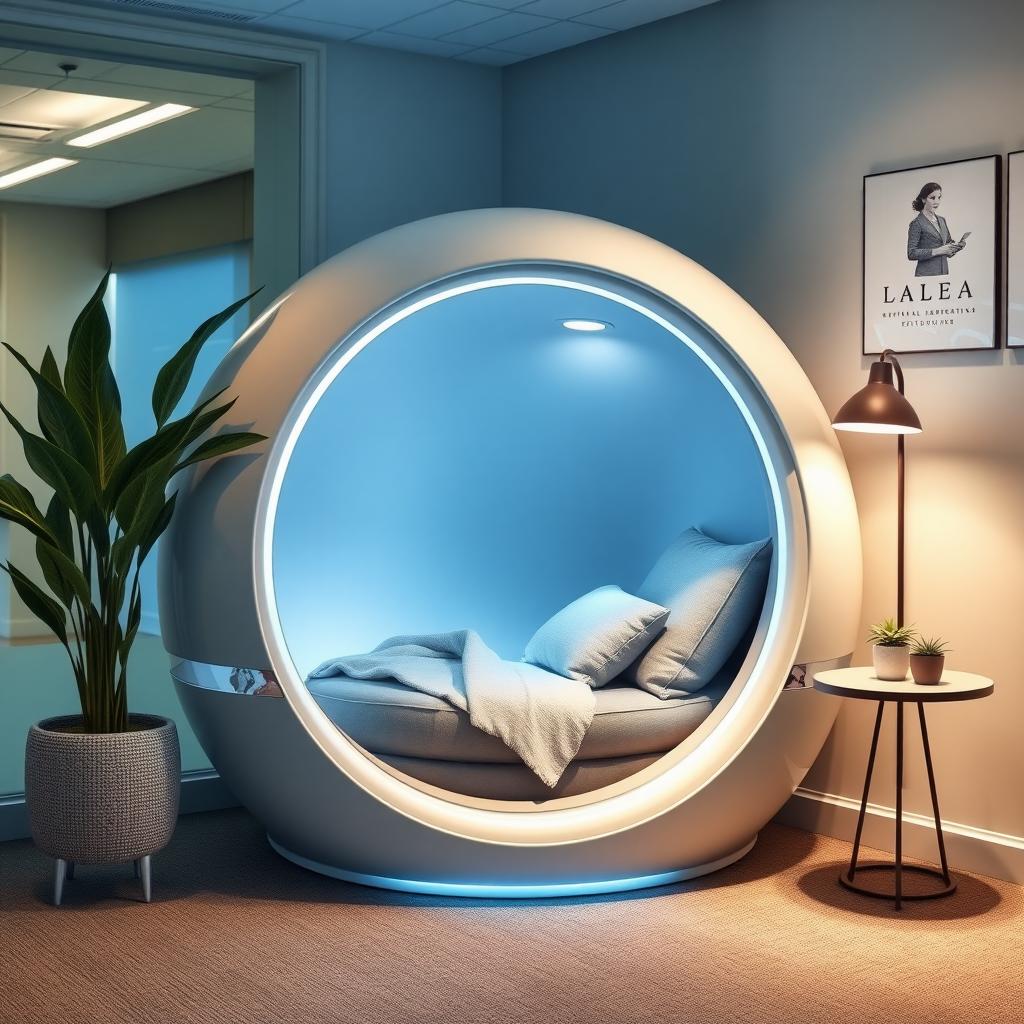
Rest is often overlooked in workplace design, but it’s a game-changer for well-being. Innovative Office Bed Solutions are gaining traction in progressive companies. These aren’t bulky bedroom beds but sleek, functional designs that fit seamlessly into modern offices. They provide a space for employees to take short naps or relax during breaks, boosting energy and focus.
For example, companies like Google have introduced nap pods—compact, comfortable beds designed for quick rest. A 20-minute nap can improve alertness by 54%, according to a NASA study. By incorporating a bed in a quiet corner, employers signal that rest is valued, reducing burnout and enhancing productivity.
Mental Health Support: Beyond Physical Comfort
Physical comfort is only half the battle. Mental health plays a huge role in employee well-being. Stress, anxiety, and burnout are common in high-pressure environments, but simple strategies can make a difference.
Actionable Mental Health Strategies
| Strategy | How It Helps |
|---|---|
| Flexible Work Hours | Reduces stress by allowing work-life balance. |
| Mental Health Days | Encourages employees to take time for self-care. |
| Open Communication | Builds trust and reduces workplace tension. |
I’ve seen firsthand how offering mental health days changed a team’s dynamic. A colleague who was struggling took a day to recharge and came back more focused. Small gestures like these show employees they’re valued as people, not just workers.
Fostering a Positive Work Culture
A healthy workplace goes beyond furniture and policies—it’s about culture. Employees need to feel connected and supported. Here are some ways to build a positive culture: - Encourage Collaboration: Open-plan offices with shared spaces foster teamwork. - Recognize Achievements: A simple thank-you or shout-out can boost morale. - Promote Work-Life Balance: Discourage after-hours emails to respect personal time.
A friend who works at a tech startup shared how their weekly team lunches helped her feel more connected. These small efforts create a sense of belonging, which is critical for well-being.

Incorporating Movement into the Workday
Sitting all day isn’t just bad for posture—it can sap energy and focus. Encouraging movement can transform the workplace. Simple ideas include: - Walking Meetings: Discuss ideas while strolling outdoors. - Stretch Breaks: Lead short group stretches to relieve tension. - On-Site Fitness Options: Offer yoga classes or gym access.
I once joined a team that started meetings with a quick stretch. It felt odd at first, but it became a fun ritual that energized everyone. Movement doesn’t have to be complex—it just needs to be intentional.
Technology and Well-being
Technology can support well-being too. Apps like Headspace offer guided meditation, while wearable devices track activity levels, encouraging employees to stay active. Some companies even provide subscriptions to wellness apps as a perk. However, balance is key—too much screen time can contribute to stress. Encourage employees to take regular screen breaks to rest their eyes and minds.
For authoritative insights, check out the World Health Organization’s guidelines on workplace health: WHO Workplace Health.
Measuring Success: Tracking Well-being
How do you know your strategies are working? Regular feedback is crucial. Use surveys to gauge employee satisfaction and stress levels. Track metrics like absenteeism, productivity, and retention rates. A company I worked with implemented quarterly wellness surveys, and the insights led to better lighting and more break areas. Data helps you refine your approach and shows employees you’re listening.
Summary
Prioritizing Employee Well-being: Strategies for a Healthier Workplace is an investment in your team’s success. From office furniture for ergonomic workstations to Innovative Office Bed Solutions, small changes can have a big impact. By fostering a supportive culture, encouraging movement, and leveraging technology, you create a workplace where employees thrive. Start with one or two strategies, measure their impact, and build from there.