







Featured Post
Understanding Furniture Certifications: What to Look For
Overview
Choosing furniture can feel overwhelming, especially when you want pieces that are safe, sustainable, and built to last. Understanding furniture certifications helps simplify the process. These certifications act like a roadmap, guiding you toward eco-friendly, high-quality options that align with your values. This article dives into what certifications mean, why they matter, and how to spot them when shopping for furniture, including innovative storage solutions like cabinets.
Why Furniture Certifications Matter
When I furnished my first apartment, I didn’t think much about certifications. I picked a cheap sofa and a wobbly coffee table, only to replace them within a year. That experience taught me to pay attention to quality and sustainability. Certifications are like a seal of approval, ensuring furniture meets standards for safety, environmental impact, or durability. They help you avoid low-quality pieces that might off-gas harmful chemicals or fall apart quickly.
Certifications also reflect a brand’s commitment to ethical practices. For example, eco-friendly furniture certifications ensure minimal environmental harm, which is crucial as furniture production can contribute to deforestation and pollution. By choosing certified pieces, you’re supporting sustainable practices and protecting your home from potentially toxic materials.

Key Furniture Certifications to Know
Not all certifications are equal, and some are more relevant depending on your priorities. Below, I’ve outlined the most important ones to look for when shopping for furniture, especially if you’re focused on sustainability or innovative storage solutions with cabinet furniture.
1. Forest Stewardship Council (FSC)
The FSC certification is a gold standard for eco-friendly furniture. It ensures wood comes from responsibly managed forests that prioritize biodiversity and worker rights. When I bought my FSC-certified dining table, I felt good knowing it didn’t contribute to deforestation. Look for the FSC logo on wooden furniture like cabinets or tables.
2. GREENGUARD
GREENGUARD certification focuses on indoor air quality. Furniture with this label has low chemical emissions, reducing the risk of harmful off-gassing. This is especially important for families with kids or pets. I once skipped a GREENGUARD-certified chair and regretted it when a faint chemical smell lingered for weeks.
3. Cradle to Cradle (C2C)
C2C certification goes beyond sustainability, evaluating a product’s entire lifecycle. It looks at material health, reuse potential, and energy use. C2C-certified furniture is rare but worth seeking out if you’re passionate about circular design. I’ve seen C2C cabinets that double as innovative storage solutions, blending style and sustainability.
4. OEKO-TEX
For upholstered furniture like sofas or chairs, OEKO-TEX certification ensures textiles are free from harmful substances. This is a must if you’re sensitive to chemicals or want a healthier home. My OEKO-TEX-certified sofa feels safer and comfier, knowing it’s been rigorously tested.
5. BIFMA Level
The Business and Institutional Furniture Manufacturers Association (BIFMA) Level certification focuses on sustainability and performance for office furniture. It’s great for desks or cabinets in a home office. When I upgraded my workspace, a BIFMA-certified cabinet kept my space organized and eco-conscious.

How to Spot Certified Furniture
Finding certified furniture takes a bit of detective work, but it’s worth it. Here’s how I approach it:
- Check Labels and Tags: Look for certification logos on product tags or packaging. Reputable brands display FSC, GREENGUARD, or OEKO-TEX logos prominently.
- Visit Manufacturer Websites: Many brands list certifications online. Cross-check claims to ensure they’re legit.
- Ask Retailers: Don’t be shy—ask store staff about certifications. I once found a great FSC-certified cabinet because I asked the right questions.
- Beware of Greenwashing: Some brands use vague terms like “eco-friendly” without certifications to back it up. Always verify with a recognized standard.
Eco-Friendly Furniture: A Guide to Sustainable Choices
Choosing eco-friendly furniture isn’t just about certifications—it’s about aligning your purchases with your values. Sustainable furniture reduces waste, conserves resources, and often lasts longer. For example, cabinets made from reclaimed wood or certified materials offer innovative storage solutions while minimizing environmental impact. When I switched to eco-friendly pieces, my home felt more intentional, and I saved money by avoiding flimsy, disposable furniture.
Here’s a quick table to guide your eco-friendly furniture choices:
| Certification | Focus | Best For |
|---|---|---|
| FSC | Sustainable wood sourcing | Tables, cabinets |
| GREENGUARD | Low chemical emissions | Sofas, beds |
| C2C | Full lifecycle sustainability | High-end furniture |
| OEKO-TEX | Safe textiles | Upholstered furniture |
| BIFMA Level | Office furniture sustainability | Desks, cabinets |
Innovative Storage Solutions with Cabinet Furniture
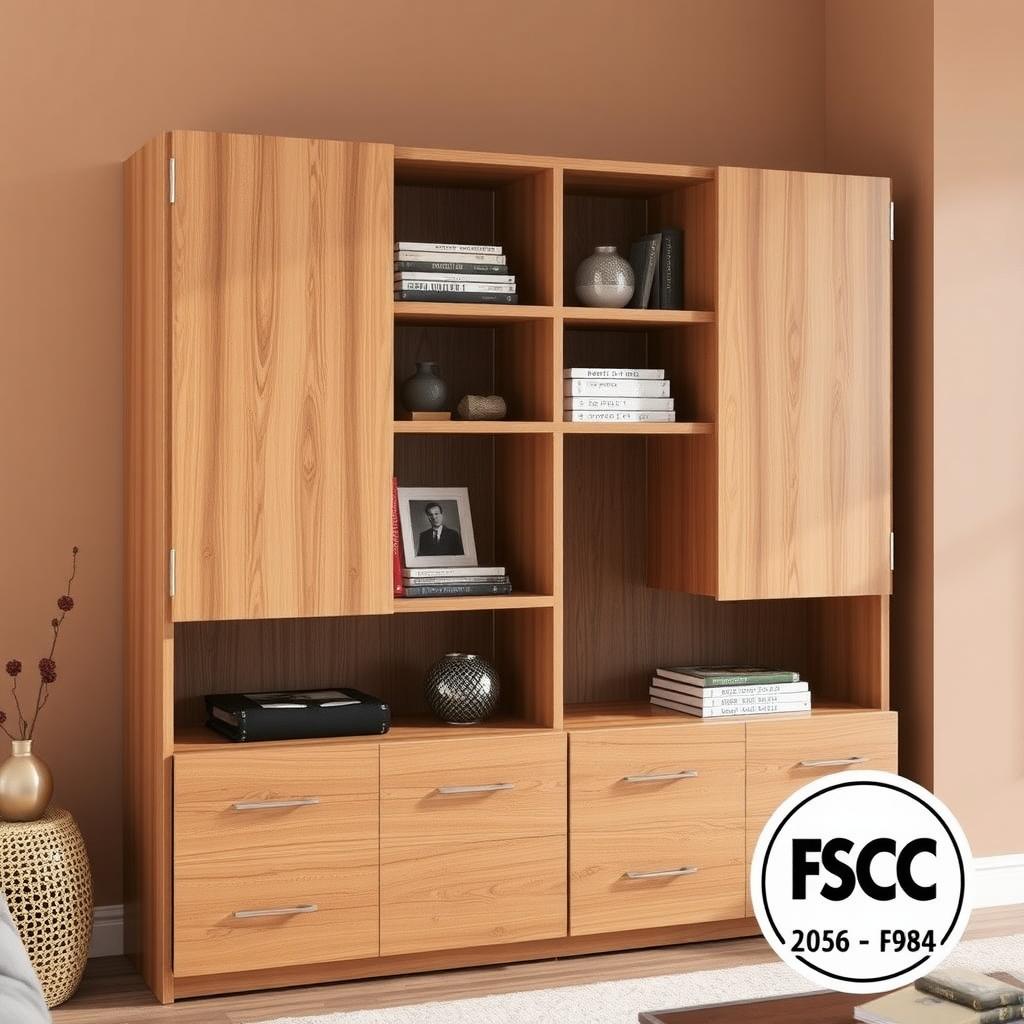
Cabinets are a game-changer for keeping your home organized, and certified options make them even better. I recently added a FSC-certified cabinet to my living room, and its clever compartments transformed my cluttered space. Look for cabinets with adjustable shelves, hidden drawers, or modular designs for maximum functionality. Pairing sustainability with smart design makes cabinet furniture a win-win.
Common Pitfalls to Avoid
When shopping for certified furniture, watch out for these traps:
- Assuming High Cost Equals Quality: Certifications don’t always mean expensive. I found an affordable GREENGUARD-certified sofa at a local retailer.
- Ignoring Maintenance: Sustainable furniture still needs care. Check if materials require special cleaning to maintain their eco-friendly properties.
- Overlooking Local Options: Small, local brands often offer certified furniture with unique designs. I discovered a great OEKO-TEX chair at a nearby shop.
Where to Shop for Certified Furniture
Big retailers like IKEA and West Elm often carry certified pieces, but don’t overlook smaller brands. Online marketplaces like Etsy or local furniture stores can surprise you with sustainable finds. For authoritative guidance, check resources like the Forest Stewardship Council or GREENGUARD websites to verify certifications.
Final Thoughts
Understanding furniture certifications empowers you to make smarter, greener choices. By prioritizing certifications like FSC, GREENGUARD, or OEKO-TEX, you’re investing in furniture that’s safe, sustainable, and stylish. Whether it’s a sturdy cabinet or a cozy sofa, certified pieces bring peace of mind and long-term value. Next time you shop, check those labels—it makes all the difference.