



Featured Post
Organizing Tips for Cabinet Furniture: Maximize Space and Style
Overview
Cabinets are the unsung heroes of home organization, offering hidden storage that keeps clutter at bay. Whether in the kitchen, bathroom, or living room, these pieces of furniture can transform chaos into order. This guide shares practical organizing tips for cabinet furniture, blending personal insights with actionable strategies to maximize space and style.
Why Cabinet Organization Matters
Cabinets are more than just storage—they’re a lifeline for a tidy home. I’ve seen firsthand how a disorganized cabinet can turn a simple task, like finding a spice jar, into a frustrating scavenger hunt. Well-organized cabinet furniture saves time, reduces stress, and even makes your space look better. Plus, with thoughtful organization, you can fit more than you ever thought possible.
The key is to treat your cabinets like a puzzle. Every item needs a place, and every space should work efficiently. By following these organizing tips for cabinet furniture, you’ll turn your cabinets into functional, beautiful assets.
Step 1: Declutter Before You Organize
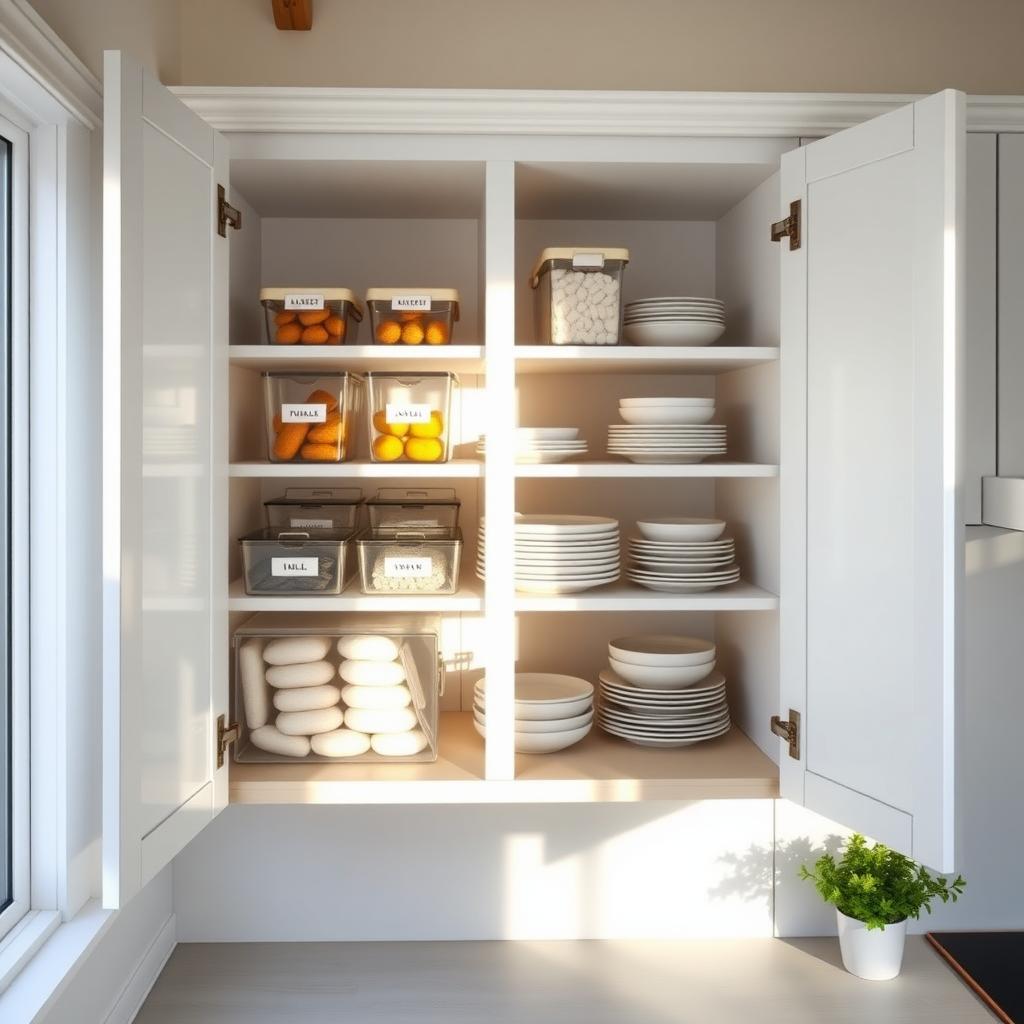
Before diving into organizing tips for cabinet furniture, start with a clean slate. Empty your cabinet completely. Yes, it’s a bit of work, but seeing everything laid out helps you decide what stays and what goes. I once found three identical jars of cumin in my kitchen cabinet—decluttering revealed my spice hoarding tendencies!
Sort items into three piles: keep, donate, and toss. Be ruthless. If you haven’t used that chipped mug in a year, it’s time to let it go. For items you’re keeping, group them by category (e.g., plates, spices, toiletries) to make the next steps easier.
Step 2: Categorize and Prioritize
Once decluttered, categorize your items thoughtfully. In a kitchen cabinet, group spices, canned goods, and baking supplies separately. In a bathroom cabinet, separate skincare, haircare, and cleaning products. Prioritize frequently used items for easy access. For example, I keep my everyday coffee mugs on the lowest shelf of my kitchen cabinet for quick grabs in the morning.
Consider how often you use each item: - Daily use: Store on lower or middle shelves at eye level. - Occasional use: Place on higher shelves or in back corners. - Rarely used: Store in less accessible cabinets or consider donating.
Step 3: Use Storage Solutions
Cabinet furniture often comes with fixed shelves, but you can maximize space with smart storage solutions. Here are some game-changers:
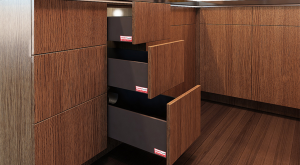
- Pull-out shelves: These make it easy to reach items in the back.
- Stackable bins: Perfect for grouping small items like snacks or toiletries.
- Lazy Susans: Great for corner cabinets, especially in kitchens.
- Shelf risers: Double your vertical space for stacking plates or cans.
I added a lazy Susan to my corner kitchen cabinet, and it’s been a lifesaver for accessing oils and vinegars without knocking things over.
Step 4: Label Everything
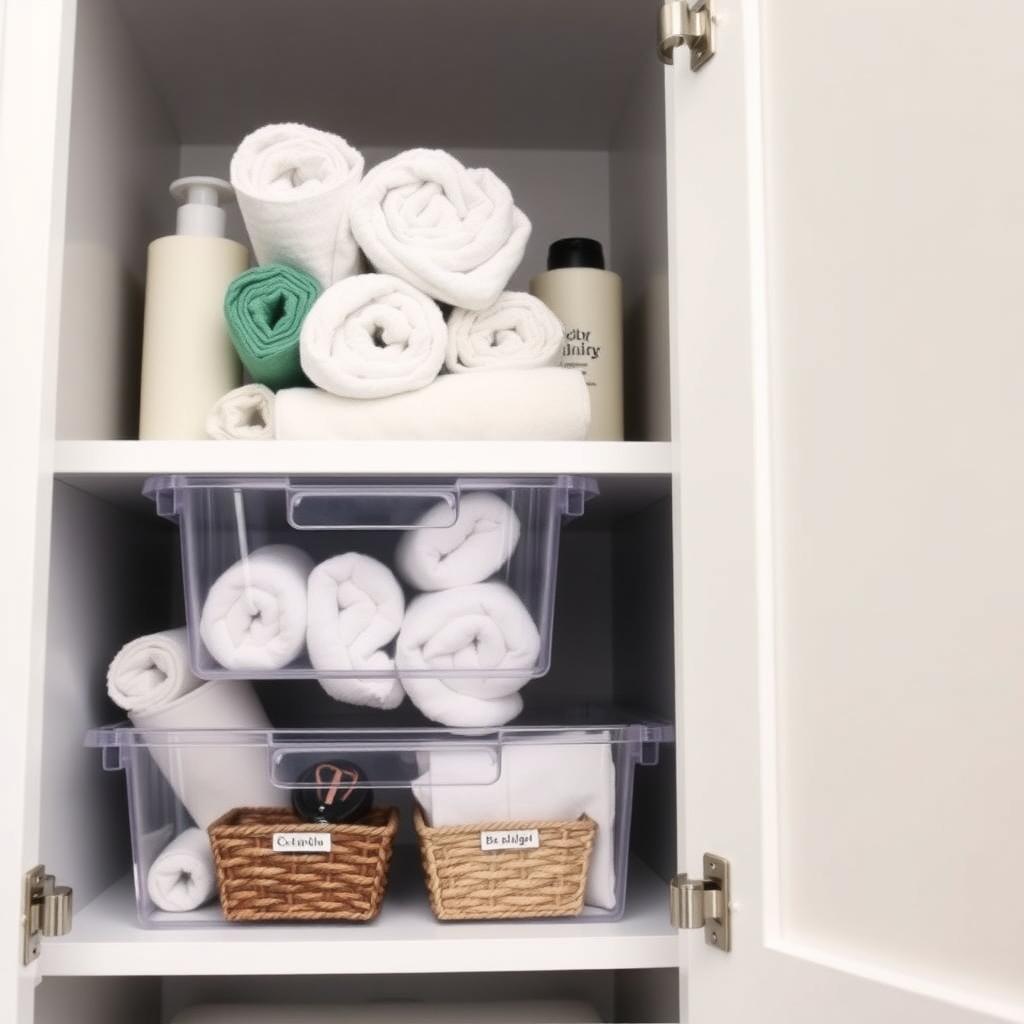
Labels are a small effort with a big payoff. They keep your system intact, especially if multiple people use the cabinet. Use clear, simple labels for bins, jars, or shelves. I use a label maker for a polished look, but handwritten labels work just as well. For example, labeling my spice jars not only looks neat but also stops me from mistaking paprika for cayenne mid-recipe!
Step 5: Optimize Vertical Space
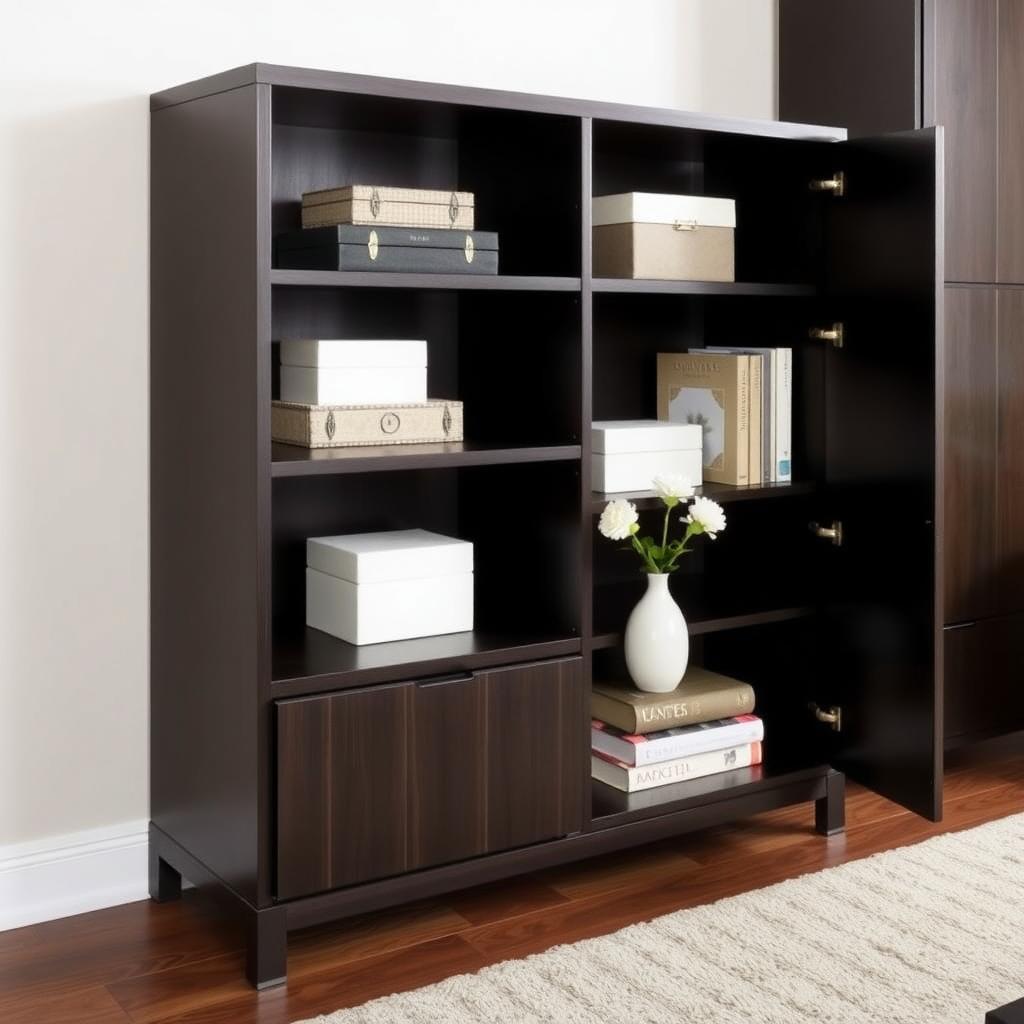
Don’t let vertical space go to waste. Many cabinets have tall shelves that aren’t fully utilized. Use stackable organizers or shelf risers to create layers. In my living room cabinet, I use risers to store books and decorative boxes, making the space feel both functional and stylish.
Here’s a quick guide to vertical space solutions:
| Solution | Best For | Where to Find |
|---|---|---|
| Shelf Risers | Plates, books | Amazon, IKEA |
| Stackable Bins | Toiletries, snacks | Target, The Container Store |
| Over-the-Door Racks | Cleaning supplies | Walmart, Home Depot |
These tools are affordable and widely available, making it easy to customize your cabinet furniture.
Step 6: Maintain Your System
Organization isn’t a one-and-done task. To keep your cabinets functional, set aside time every few months to reassess. I do a quick cabinet check every season, tossing expired items and reorganizing as needed. It takes less than an hour and keeps my cabinets from slipping back into chaos.
Room-Specific Organizing Tips
Different rooms call for different strategies. Here’s how to tailor your approach:
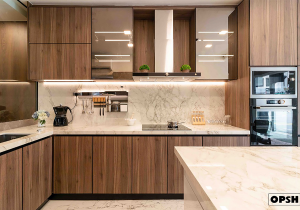
Kitchen Cabinets
- Group items by meal type (e.g., breakfast, baking).
- Use clear containers for dry goods to see contents at a glance.
- Store heavy appliances on lower shelves for safety.
Bathroom Cabinets
- Use small baskets for loose items like cotton balls or hair ties.
- Keep cleaning supplies in a caddy for easy access.
- Store medicines in a lockable box if kids are around.
Living Room Cabinets
- Hide electronics like remotes or cables in decorative boxes.
- Display a few stylish items, like vases, to balance function and aesthetics.
- Use dividers for board games or media collections.
Personal Insights: Lessons from Trial and Error
When I first moved into my apartment, my cabinets were a mess. I’d shove things in randomly, thinking I’d remember where everything was. Spoiler: I didn’t. It wasn’t until I started using bins and labels that I realized how much time I was wasting searching for things. My biggest takeaway? Invest in a few good organizers upfront—it saves money and stress in the long run.
Another lesson: don’t overstuff. It’s tempting to cram every inch of your cabinet furniture, but leaving a little breathing room makes it easier to maintain. Plus, it looks better. I learned this the hard way when a packed shelf collapsed under the weight of too many canned goods!
Expert Tips from the Pros
According to professional organizers, consistency is key. The National Association of Productivity and Organizing Professionals (NAPO) suggests creating a system that’s easy for everyone in your household to follow. They also recommend measuring your cabinet’s interior before buying organizers to ensure a perfect fit. Websites like The Container Store offer free tools to plan your cabinet layout.
Summary
Organizing cabinet furniture doesn’t have to be overwhelming. By decluttering, categorizing, and using smart storage solutions, you can transform your cabinets into efficient, stylish spaces. Regular maintenance and room-specific strategies will keep your system running smoothly. With these organizing tips for cabinet furniture, you’ll save time, reduce stress, and make your home feel more inviting.