







Featured Post
The Ultimate Guide to Maintaining Outdoor Furniture
Outdoor furniture transforms your backyard into a cozy retreat, but sun, rain, and wind can take a toll. Proper care extends its life and keeps it looking fresh. This guide shares practical tips for maintaining outdoor furniture, drawing from hands-on experience and expert advice. Whether you have a teak dining set or a wicker lounge, these steps will help you protect your investment.
Why Outdoor Furniture Needs Special Care
Outdoor furniture faces harsh conditions—UV rays fade colors, rain causes rust or mold, and temperature swings warp materials. Regular maintenance prevents costly replacements and keeps your patio inviting. For example, my metal chairs started rusting after a wet summer, but quick action saved them. Understanding furniture care for different materials is key to tackling these challenges.
Caring for Wooden Outdoor Furniture
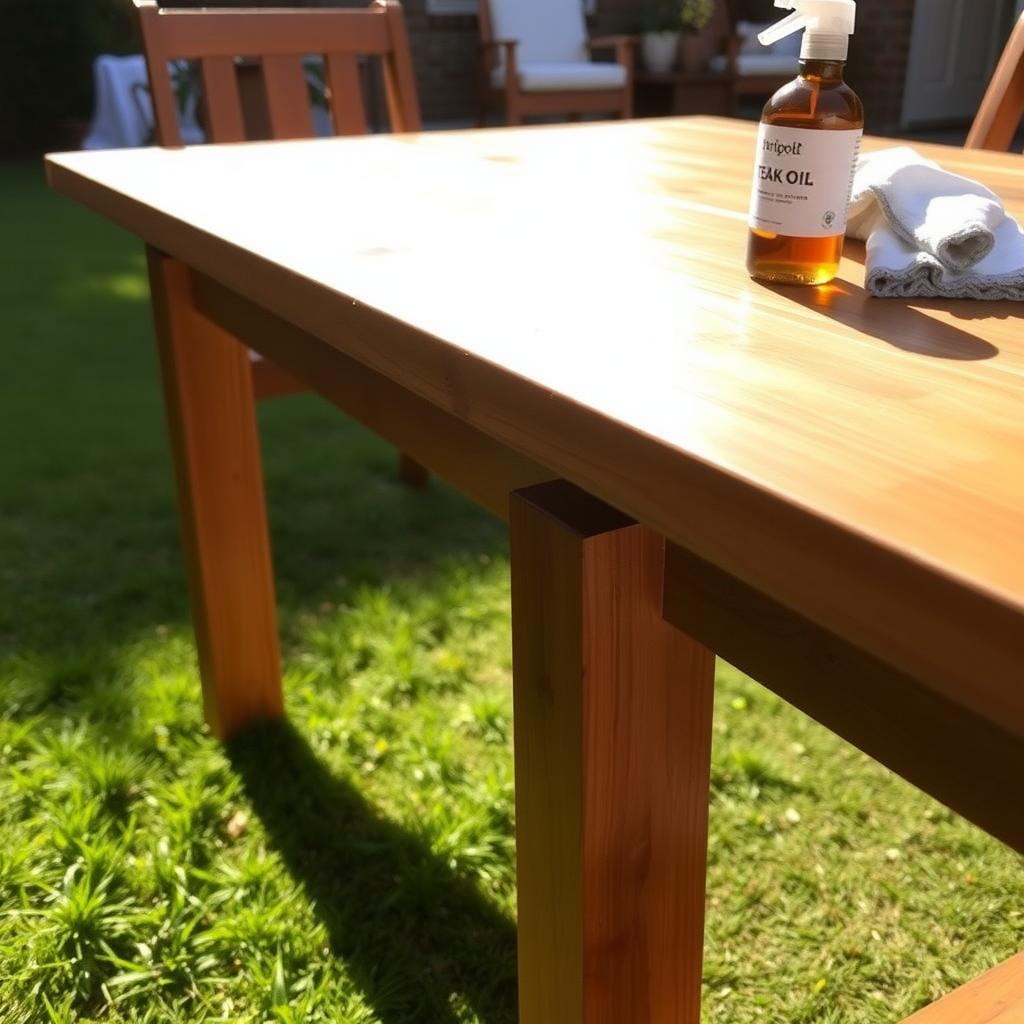
Wood, like teak or cedar, adds warmth to outdoor spaces but requires consistent upkeep. Start by cleaning with a mild soap solution and a soft brush to remove dirt. Avoid pressure washers—they can damage the grain. Once dry, apply a sealant or oil, like teak oil, to protect against moisture. According to Purdue University’s Wood Research Lab, sealants can extend wood’s life by up to 50% in harsh climates.
Every spring, I sand my teak table lightly to remove graying and reapply oil. It’s time-consuming but worth it for the rich finish. For scratches, a quick buff with fine sandpaper works wonders. Store cushions indoors during off-seasons to prevent mildew, especially in humid areas.
Maintaining Metal Furniture
Metal furniture, like aluminum or wrought iron, is durable but prone to rust or corrosion. Clean with soapy water and a sponge, then rinse thoroughly. For rust spots, use a wire brush and apply a rust-resistant primer. I learned this the hard way when my iron bench developed orange streaks after a rainy season.
For extra protection, apply a car wax coating annually to repel water. The University of Georgia Extension recommends waxing metal surfaces to reduce corrosion in humid environments. If your furniture is powder-coated, avoid abrasive cleaners to preserve the finish. Store or cover metal pieces during winter to minimize exposure.
Plastic and Resin Furniture Care
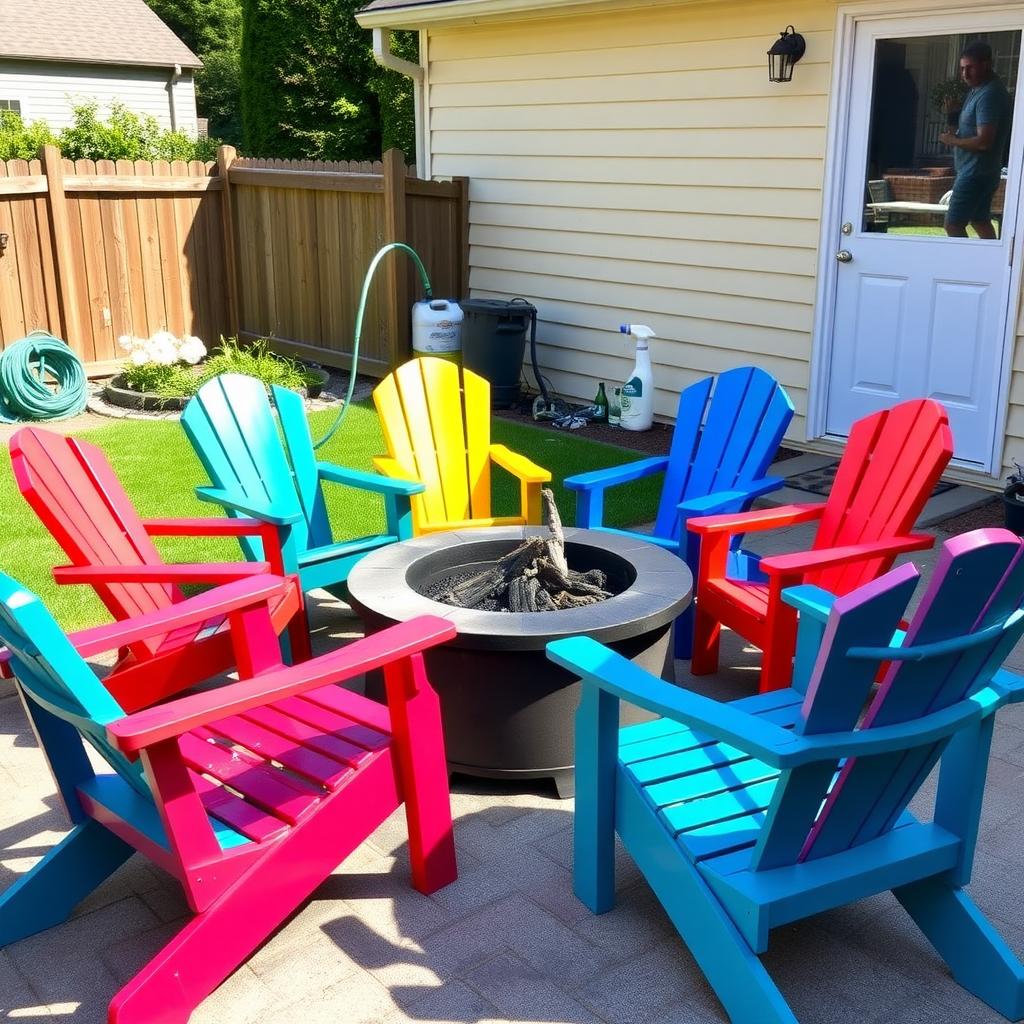
Plastic furniture is budget-friendly and low-maintenance, but it can fade or crack under UV rays. Clean with a mix of vinegar and water to remove stains—avoid harsh chemicals that weaken the material. For stubborn marks, a magic eraser works well. I’ve revived faded plastic chairs with a UV-protectant spray, which restores color and adds a protective layer.
Stack or store plastic furniture indoors during extreme weather to prevent brittleness. If cracks appear, they’re tough to fix, so prevention is best. Regular cleaning every few weeks keeps dirt from embedding.
Wicker and Rattan Maintenance
Wicker and rattan add a classic look but are vulnerable to moisture and sun damage. Vacuum loose debris with a brush attachment, then clean with a damp cloth and mild soap. Avoid soaking the material, as it can weaken the weave. I once left my wicker sofa exposed during a storm, and the mold was a nightmare to remove.
Apply a UV-resistant sealant every year to prevent fading and cracking. For synthetic wicker, check the manufacturer’s guidelines—some tolerate harsher cleaners. According to Clemson University’s Home & Garden Center, synthetic wicker lasts longer with regular sealing. Store or cover wicker during heavy rain or winter.
Cushions and Upholstery Care
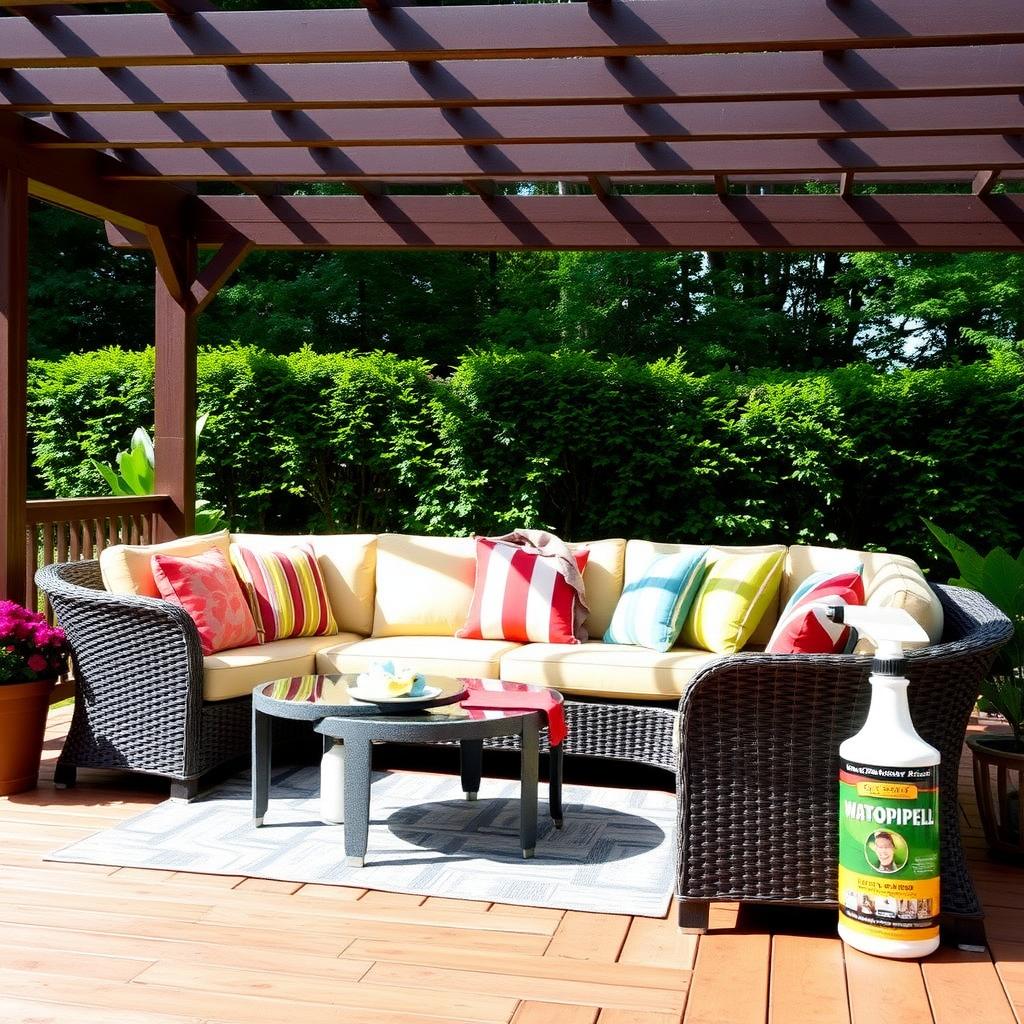
Outdoor cushions and upholstery, like those on a bed or lounge, need special attention. Remove covers and wash them according to the label—most are machine-washable. For non-removable cushions, spot-clean with a fabric-safe cleaner. I store my cushions in a deck box during winter to avoid mold and fading.
Use a waterproofing spray to repel water and stains. Rotate cushions regularly to ensure even wear. If mildew appears, treat it with a vinegar solution and let it dry in the sun.
Seasonal Maintenance Tips
Spring
- Clean all furniture thoroughly.
- Inspect for damage like cracks or rust.
- Apply sealants or protective coatings.
Summer
- Wipe down surfaces biweekly to prevent dirt buildup.
- Use covers during heavy rain.
- Check cushions for mildew.
Fall
- Prepare for storage by cleaning and drying thoroughly.
- Apply final protective coatings.
- Store in a dry, covered space.
Winter
- Store furniture indoors or use weatherproof covers.
- Avoid stacking wood pieces to prevent warping.
Common Mistakes to Avoid
- Ignoring Manufacturer Guidelines: Always check care instructions for specific materials.
- Using Harsh Cleaners: Bleach or abrasive tools can damage surfaces.
- Skipping Covers: Even durable furniture needs protection from extreme weather.
- Neglecting Regular Cleaning: Dirt buildup leads to faster wear.
Tools and Products You’ll Need
| Material | Cleaning Tools | Protective Products |
|---|---|---|
| Wood | Soft brush, mild soap | Teak oil, sealant |
| Metal | Wire brush, sponge | Rust-resistant primer, car wax |
| Plastic | Vinegar, magic eraser | UV-protectant spray |
| Wicker | Vacuum, damp cloth | UV-resistant sealant |
| Cushions | Fabric cleaner, vinegar | Waterproofing spray |
Final Thoughts
Maintaining outdoor furniture doesn’t have to be daunting. With regular cleaning, proper protection, and seasonal care, your pieces can last for years. Whether it’s a wooden table, metal chairs, or wicker sofa, each material has unique needs. Start small, stay consistent, and your outdoor space will remain a welcoming haven.