




Featured Post
Understanding Different Wood Finishes: A Guide for Elegant Dining Furniture
Overview
Wood finishes can transform a simple dining set into elegant dining furniture for formal rooms. They protect the wood, enhance its natural beauty, and set the tone for your space. This guide dives into the types of wood finishes, how to apply them, and top tips for maintaining wooden dining furniture.
Why Wood Finishes Matter
Wood finishes do more than make furniture look good. They shield the surface from spills, scratches, and UV damage, which is crucial for dining sets that see daily use. A good finish highlights the wood’s grain, adding depth and character to your furniture. Whether you’re restoring a vintage piece or choosing a new dining set, understanding different wood finishes helps you make informed choices.
When I refinished my grandmother’s oak dining table, I learned how the right finish can revive a piece. The table’s warm glow became the centerpiece of our dining room, proving that finishes aren’t just practical—they’re transformative.
Types of Wood Finishes
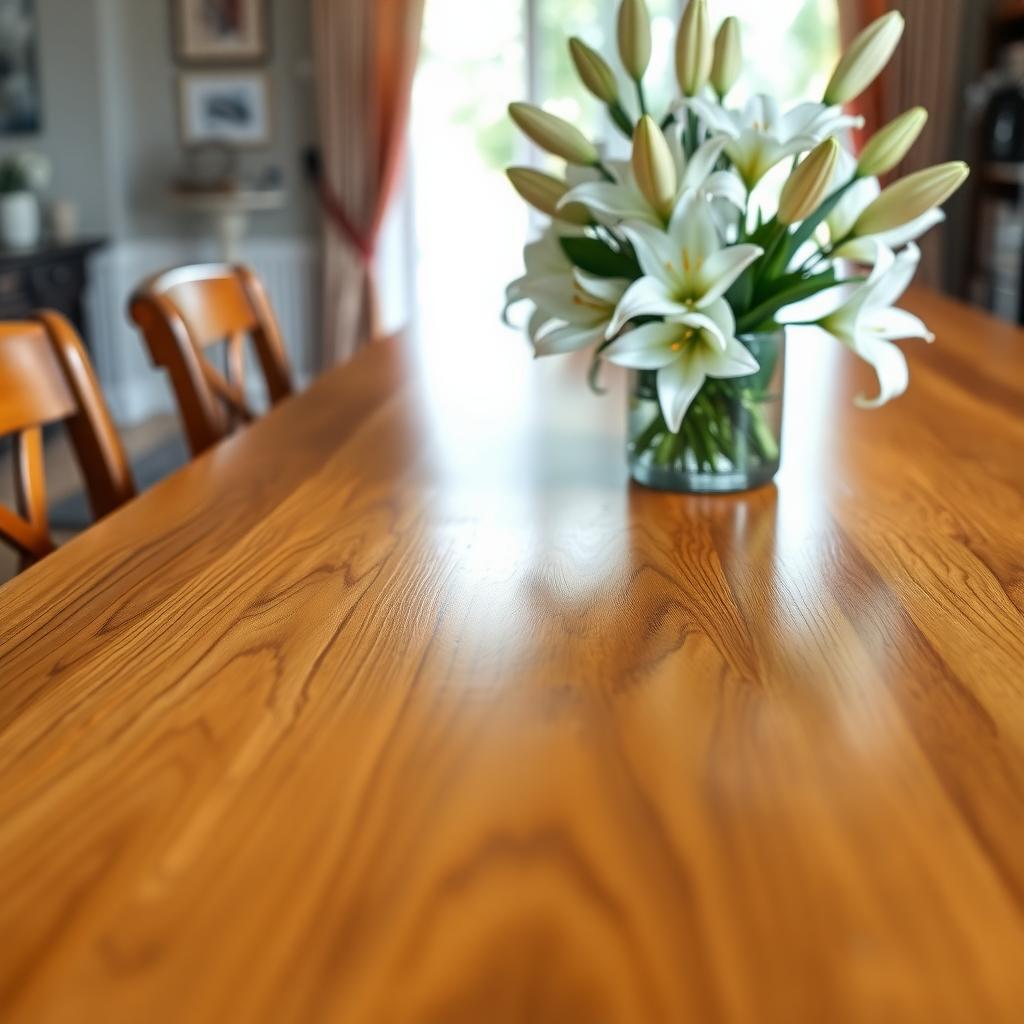
There are several wood finishes, each with unique qualities. Here’s a breakdown of the most common ones for dining furniture:
- Oil-Based Finishes: These penetrate the wood, enhancing its natural look. Linseed or tung oil is popular for a warm, matte finish. They’re easy to apply but take longer to dry.
- Polyurethane: A durable, protective topcoat available in matte, satin, or gloss. It’s ideal for dining sets due to its resistance to water and scratches.
- Lacquer: This gives a sleek, high-gloss look, perfect for elegant dining furniture for formal rooms. It dries fast but requires careful application.
- Shellac: Made from natural resins, shellac offers a warm, amber tone. It’s less durable but great for vintage pieces.
- Wax: Wax finishes provide a soft, natural sheen but need frequent reapplication, making them less practical for dining tables.
Each finish suits different needs. For my dining table, I chose polyurethane for its durability, as my kids often spill drinks. If you prioritize a natural look, oil-based finishes might be your go-to. Consider your lifestyle and the room’s aesthetic when choosing.
According to a study by the University of Wisconsin Extension, polyurethane is the most durable finish for high-traffic furniture like dining tables, resisting wear up to 10 times longer than wax.
How to Apply Wood Finishes
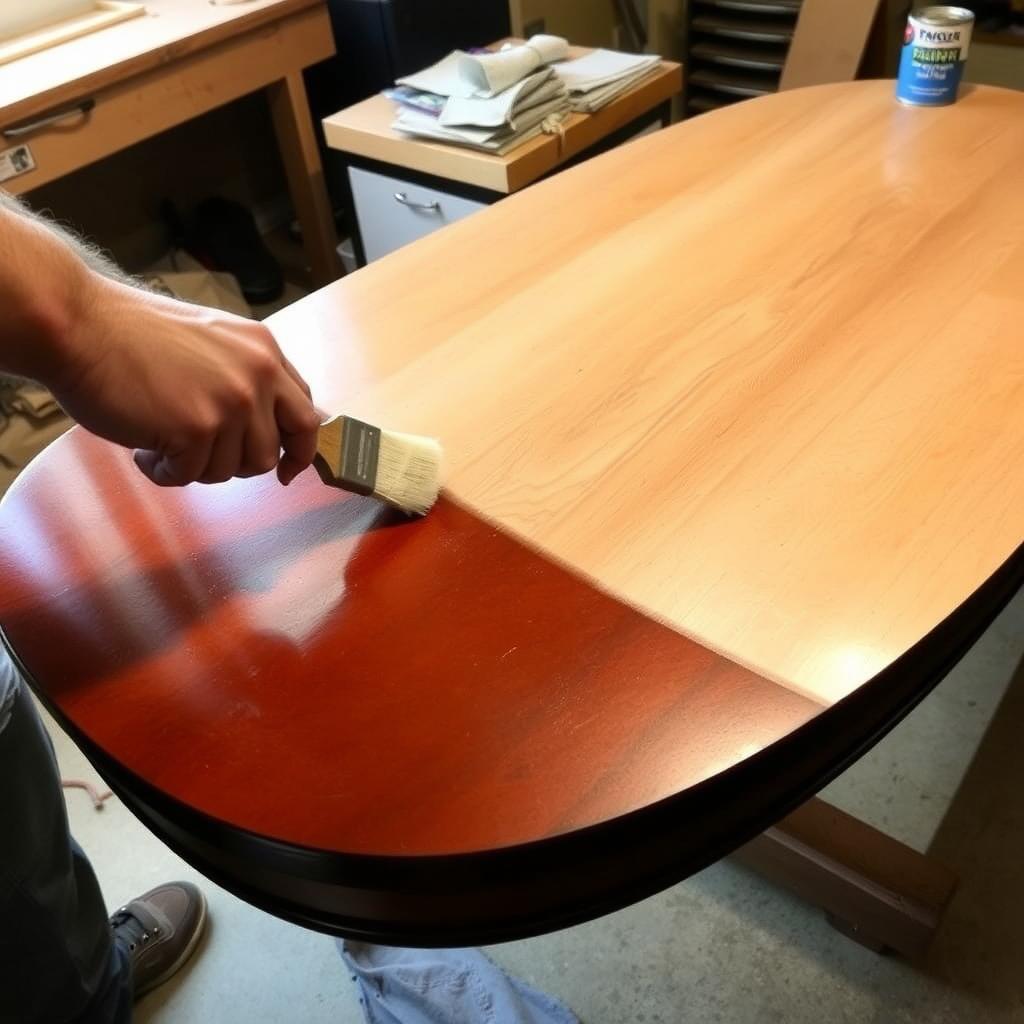
Applying a finish isn’t just slapping on a coat. It’s an art that requires prep and patience. Here’s a step-by-step guide:
- Sand the Surface: Start with coarse sandpaper (80-grit) and move to finer grits (220-grit) for a smooth base.
- Clean Thoroughly: Remove dust with a tack cloth to avoid imperfections.
- Apply the Finish: Use a brush or cloth for even application. Thin coats prevent drips.
- Sand Between Coats: Lightly sand with 320-grit paper for a polished look.
- Seal the Finish: For topcoats like polyurethane, apply 2-3 coats for maximum protection.
When I refinished my table, I skipped sanding between coats once, and the finish felt rough. Lesson learned: don’t rush the process. Patience yields a professional result.
Top Tips for Maintaining Wooden Dining Furniture
A well-maintained dining set can last generations. Here are my top tips for keeping your furniture in top shape:
- Clean Regularly: Wipe surfaces with a damp cloth and mild soap. Avoid harsh chemicals that can strip the finish.
- Use Coasters and Mats: Protect against water rings and heat marks, especially on lacquer or wax finishes.
- Polish Sparingly: Use a high-quality furniture polish, like those recommended by Fine Woodworking, to restore shine without buildup.
- Avoid Direct Sunlight: UV rays can fade finishes. Use curtains or rotate your table to ensure even exposure.
- Reapply Finishes as Needed: Every few years, check for wear and reapply a fresh coat to maintain protection.
I learned the hard way that leaving hot plates directly on my table caused marks. Now, I always use trivets, and the table still looks pristine after years of family dinners.
Choosing the Right Finish for Your Dining Set
Your dining set’s finish should match its use and style. For a busy household, polyurethane or lacquer offers durability. For a rustic or antique look, oil or shellac enhances natural beauty. Test finishes on a small area first to see how the wood reacts.
When shopping for elegant dining furniture for formal rooms, ask about the finish. Many retailers, like those featured in This Old House, provide details on finish types to help you choose pieces that balance style and practicality.
Common Mistakes to Avoid
I’ve made plenty of mistakes with wood finishes, so here’s what to watch out for:
- Skipping Prep: Inadequate sanding or cleaning leads to uneven finishes.
- Overloading Coats: Thick layers cause drips and drying issues.
- Ignoring Ventilation: Fumes from lacquer or polyurethane can be strong. Work in a well-ventilated area.
- Neglecting Maintenance: Even durable finishes wear over time. Regular care extends their life.
The Forest Products Laboratory emphasizes proper surface preparation as the key to a lasting finish, noting that 80% of finish failures stem from poor sanding or cleaning.
Summary
Understanding different wood finishes is key to choosing and maintaining a stunning dining set. From durable polyurethane to natural oil finishes, each option offers unique benefits. By applying finishes carefully and following maintenance tips, your elegant dining furniture can shine for years. Explore more resources to deepen your knowledge and keep your furniture looking its best.