






Featured Post
Decluttering Made Simple: A Beginner’s Guide
Overview
Decluttering can feel overwhelming, but it doesn’t have to be. Decluttering Made Simple: A Beginner’s Guide offers practical steps to transform your home into a tidy, stress-free space. Whether you’re tackling a messy cabinet or reorganizing furniture, this guide provides clear, actionable tips to get started.
Why Decluttering Matters
Clutter doesn’t just take up physical space—it can weigh on your mind, too. A cluttered home often leads to stress, wasted time looking for things, and even embarrassment when guests visit. I remember my own struggle with a chaotic kitchen cabinet overflowing with mismatched containers and expired spices. It was a daily frustration until I took control.
Studies, like one from the University of California (2010), show that clutter increases cortisol levels, especially in women, contributing to stress. Decluttering not only clears your space but also boosts your mood and productivity. For beginners, starting small—like organizing a single cabinet—can make the process less daunting.
Step 1: Start Small and Set Goals
The key to Decluttering Made Simple: A Beginner’s Guide is starting small. Don’t try to tackle your entire home in one day. Focus on one area, like a cabinet or a piece of furniture. For example, I began with my bedroom dresser, which was stuffed with clothes I hadn’t worn in years.
How to Start:
- Pick one spot: Choose a single cabinet or piece of furniture.
- Set a timer: Dedicate 15–30 minutes to avoid burnout.
- Define your goal: Do you want a functional space or a minimalist look?
Write down your goal, like “organize my kitchen cabinet for easy access to dishes.” This keeps you focused and motivated.
Step 2: Sort and Categorize
Once you’ve chosen your starting point, empty the space completely. Yes, it’s messy at first, but it’s the best way to see what you’re working with. Lay everything out on a table or the floor. For my kitchen cabinet, I was shocked to find three duplicate spatulas!
Sorting Tips:
- Keep: Items you use regularly or love.
- Donate/Sell: Things in good condition you no longer need.
- Trash: Broken or unusable items.
Group similar items together. For example, when organizing a cabinet, keep all baking supplies in one pile and dinnerware in another. This helps you see duplicates and prioritize essentials.
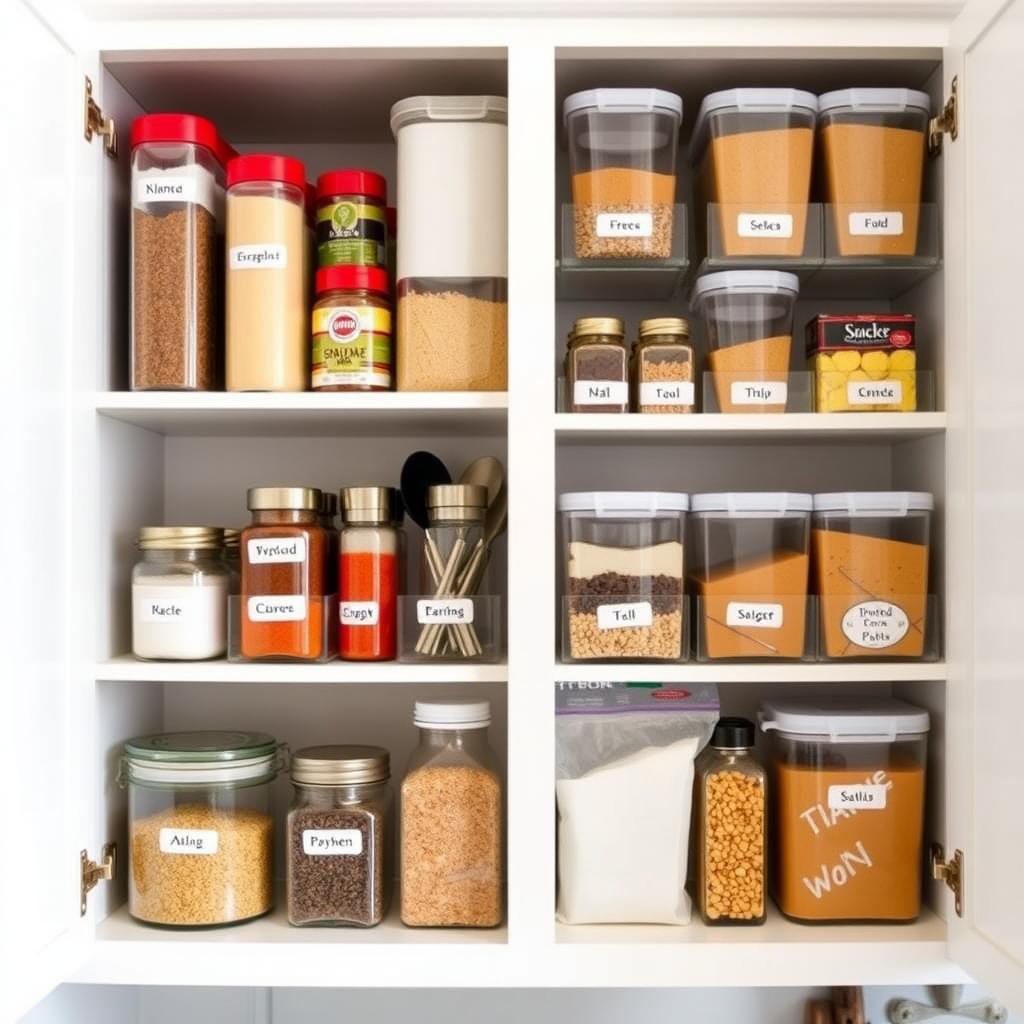
Step 3: Organizing Tips for Cabinet Furniture
Cabinets are clutter magnets, but with the right approach, they can become functional and beautiful. Here are some organizing tips for cabinet furniture to maximize space and keep things tidy:
| Tip | Description |
|---|---|
| Use dividers | Separate items like plates or Tupperware lids for easy access. |
| Add shelf risers | Double your storage space in tall cabinets. |
| Clear containers | Store dry goods or small items in see-through bins for visibility. |
| Label everything | Labels prevent chaos and make it easier to find things. |
When I reorganized my bathroom cabinet, I added stackable bins for toiletries and labeled them. Now, I can grab my face wash without knocking over ten other bottles. These small changes make a big difference.
Step 4: Optimize Your Furniture Layout
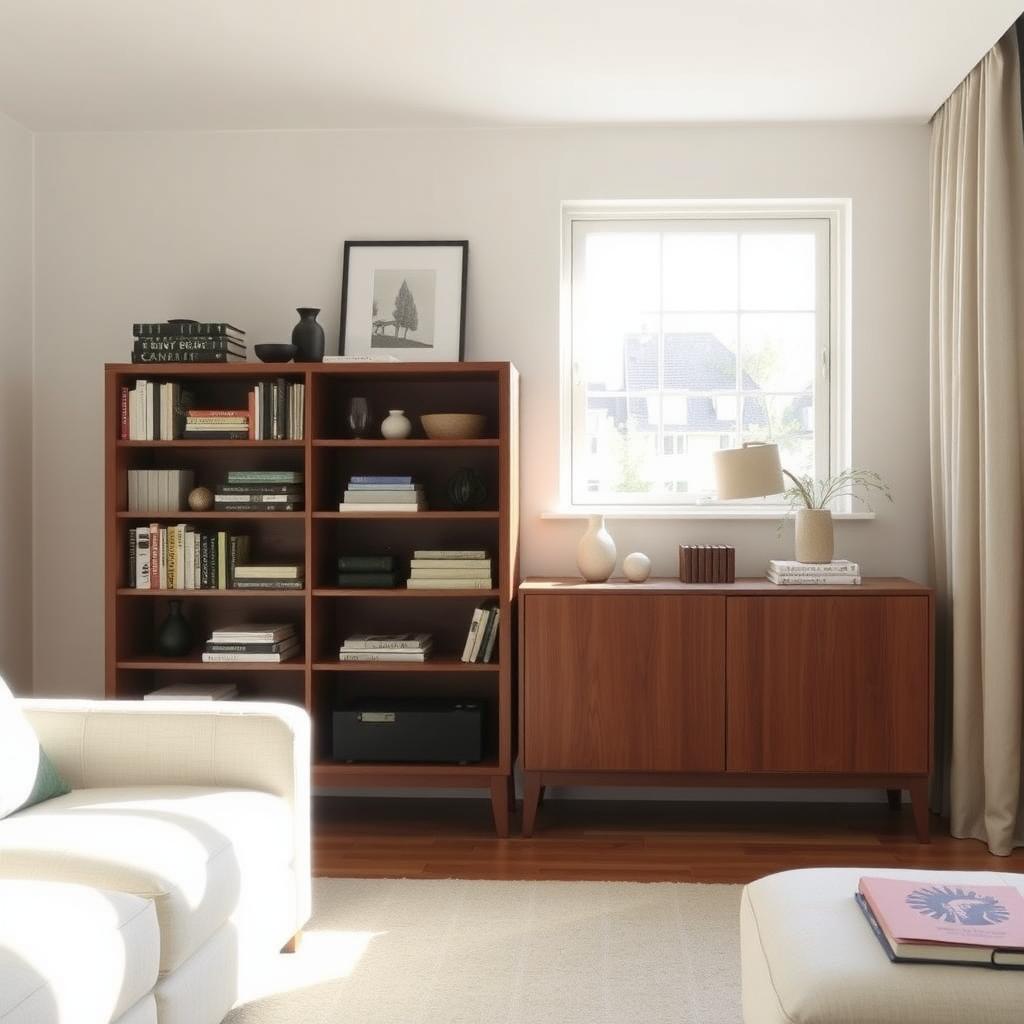
Furniture placement plays a huge role in keeping your home clutter-free. A poorly arranged room can make even an organized space feel chaotic. For example, a bulky cabinet blocking natural light can make a room feel cramped.
Furniture Arrangement Tips:
- Maximize flow: Ensure there’s enough space to move around comfortably.
- Use multi-purpose furniture: Opt for a coffee table with storage or a bed with built-in drawers.
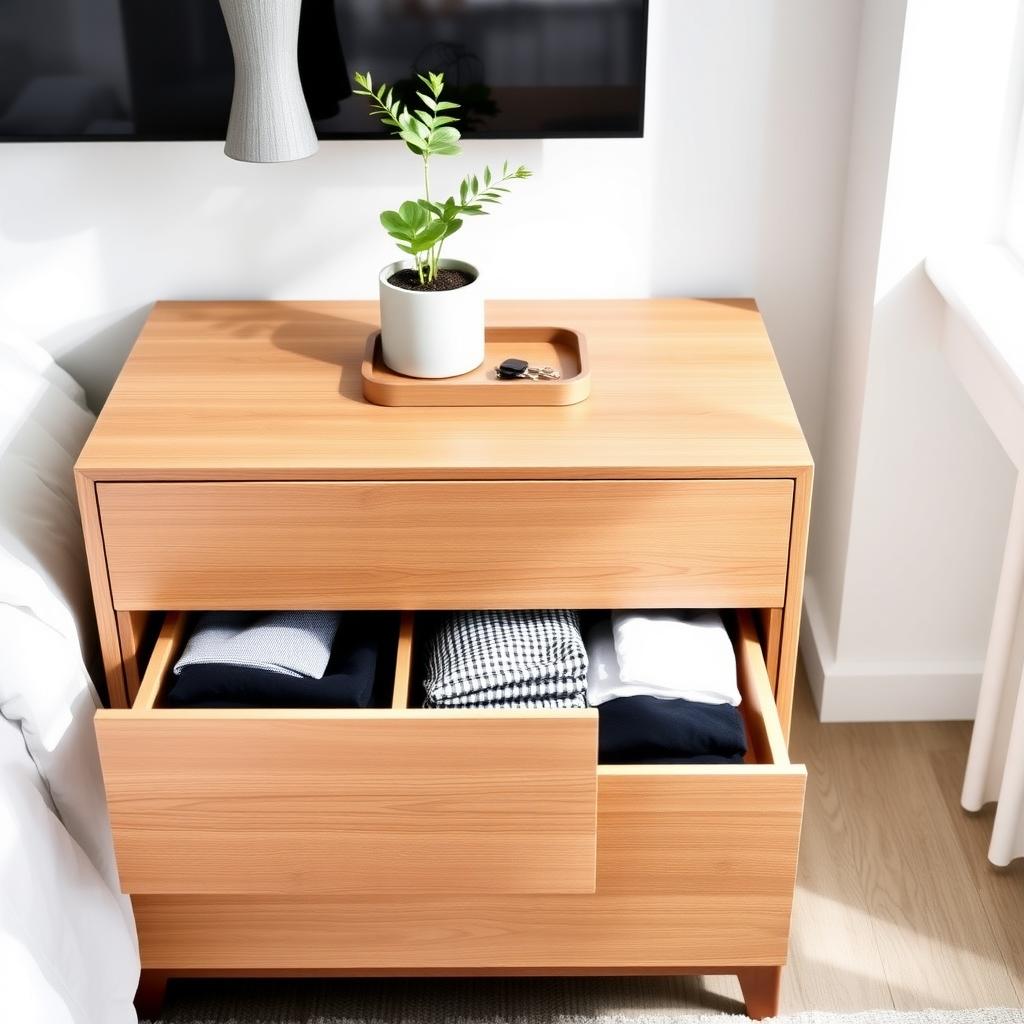
- Keep surfaces clear: Avoid piling items on top of cabinets or tables.
I once had a living room cabinet that doubled as a catch-all for mail and random trinkets. Moving it to a corner and keeping its surface clear instantly made the room feel bigger and more inviting.
Step 5: Maintain Your Decluttered Space
Decluttering isn’t a one-time task—it’s a habit. To keep your cabinets and furniture organized, build routines to prevent clutter from creeping back. I set a rule: for every new item I bring home, one old item goes out. This keeps my wardrobe cabinet from overflowing again.
Maintenance Strategies:
- Daily tidy: Spend 5 minutes each day putting things back in place.
- Monthly check-ins: Reassess one cabinet or piece of furniture each month.
- Involve others: If you live with family, get everyone on board with the system.
The KonMari Method, popularized by Marie Kondo, suggests keeping only items that “spark joy.” While I don’t follow this strictly, I’ve found it helpful to ask myself, “Do I really need this?” before keeping something.
Common Mistakes to Avoid
Beginners often make a few missteps when decluttering. Here’s what to watch out for: - Buying storage solutions first: Don’t buy bins or organizers until you’ve sorted and purged. - Trying to do it all at once: This leads to burnout. Pace yourself. - Ignoring sentimental items: It’s okay to keep a few meaningful things, but set limits.
When I started, I bought fancy baskets before decluttering my hall cabinet. They ended up collecting dust because I hadn’t sorted first. Learn from my mistake—declutter, then organize.
Summary
Decluttering doesn’t have to be overwhelming. By starting small, sorting thoughtfully, and using smart organizing tips for cabinet furniture, you can create a home that feels calm and functional. Whether it’s a kitchen cabinet or a bedroom dresser, these steps make Decluttering Made Simple: A Beginner’s Guide accessible to everyone. Stick with it, and you’ll love the results.