


Featured Post
How to Pick the Best Foldable Tables for Small Homes
Overview: Making the Most of Small Spaces
Living in a small home doesn’t mean sacrificing functionality or style. Foldable tables are a game-changer for compact spaces, offering versatility and convenience. This guide on How to Pick the Best Foldable Tables for Small Homes will walk you through key considerations to find the perfect table for your needs.
Why Foldable Tables Are Perfect for Small Homes
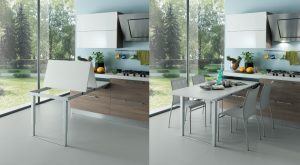
Small homes require smart furniture solutions. Foldable tables for limited spaces save room, adapt to multiple uses, and blend seamlessly into your decor. From dining to working, these tables can transform a cramped corner into a functional hub. I’ve lived in a 500-square-foot apartment where a foldable table doubled as my desk and dining area, proving that the right furniture can make a small space feel expansive.
The beauty of foldable tables lies in their flexibility. They can be tucked away when not in use, freeing up floor space for daily activities. Whether you’re hosting a dinner party or need a temporary workspace, a foldable table adjusts to your lifestyle. Let’s explore how to choose one that fits your home and needs.
Key Factors to Consider When Choosing a Foldable Table
Picking the right foldable table involves balancing size, material, design, and functionality. Here are the main factors to keep in mind:
1. Size and Space
Measure your available space before shopping. A table that’s too large can overwhelm a small room, even if it folds. Look for tables that collapse to a slim profile for easy storage. For example, a drop-leaf table can extend when needed and shrink to fit against a wall. In my old studio, a 30-inch-wide table was perfect for dining but folded down to just 10 inches for storage.
2. Material Matters
The material affects both durability and aesthetics. Wooden tables offer warmth and sturdiness but can be heavy. Metal or plastic options are lightweight and often more affordable, ideal for frequent movers. I once owned a lightweight aluminum table that was easy to carry but scratched easily, so consider your priorities—durability or portability.
3. Multifunctionality
Choose a table that serves multiple purposes. A foldable table that doubles as a desk, dining table, or even a console can maximize utility. Look for adjustable heights or extendable surfaces. Some tables come with built-in storage, like shelves or drawers, which are a bonus for small homes.
4. Style and Aesthetics
Your table should complement your home’s vibe. Sleek, minimalist designs work well in modern spaces, while rustic wooden tables add warmth to cozy interiors. I’ve found that neutral colors like white or natural wood tones blend easily, but a bold-colored table can add personality if your space allows.
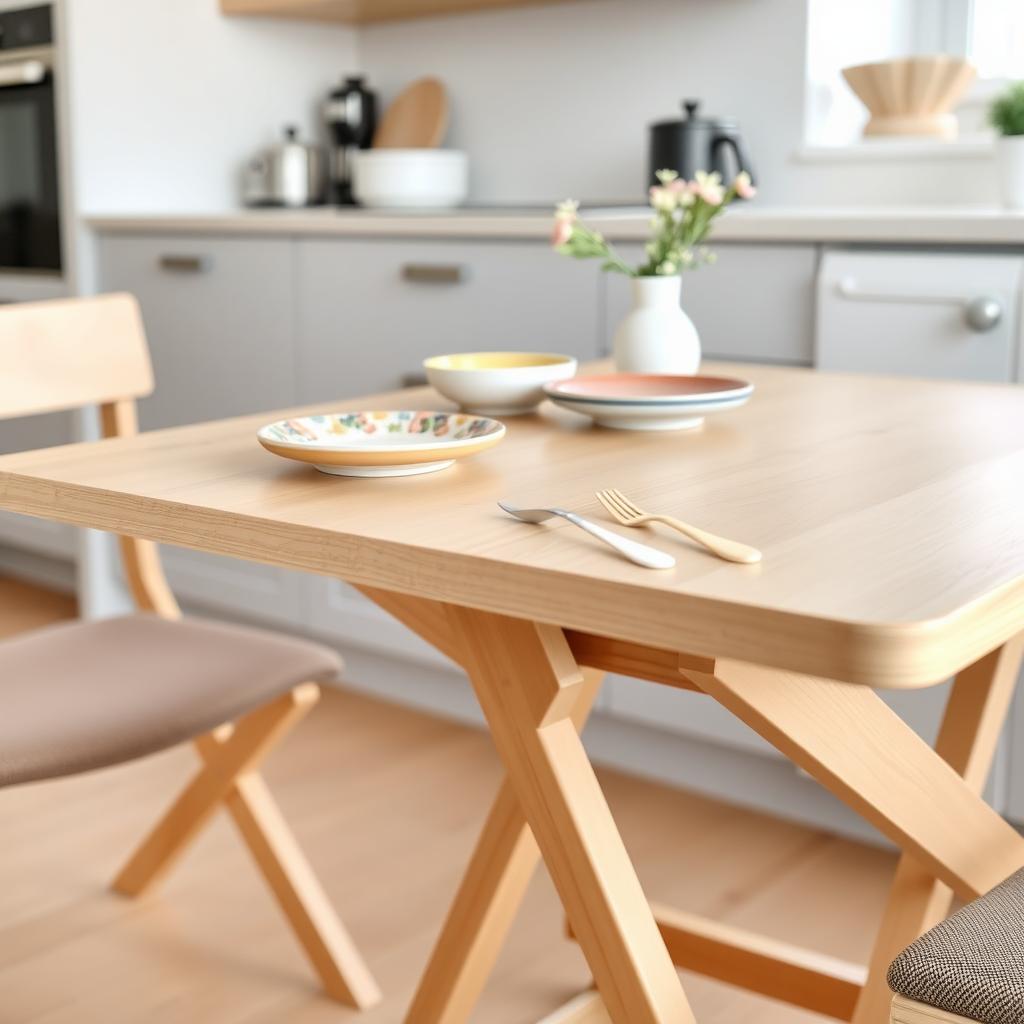
Types of Foldable Tables for Small Homes
Not all foldable tables are created equal. Here’s a breakdown of popular types to help you decide:
| Type | Best For | Pros | Cons |
|---|---|---|---|
| Drop-Leaf Table | Dining, workspaces | Extends for larger gatherings, stylish | Can be heavy, requires wall space |
| Wall-Mounted Table | Tiny apartments | Folds flat against the wall, space-efficient | Fixed location, installation needed |
| Folding Coffee Table | Living rooms | Doubles as a low dining table, portable | Limited surface area |
| Gateleg Table | Multi-use spaces | Adjustable sides, compact when folded | May feel unstable if poorly made |
Each type suits different needs. For instance, a wall-mounted table saved my friend’s tiny studio by doubling as a desk and dining surface, but it required drilling into the wall, which isn’t ideal for renters.
Where to Place Your Foldable Table
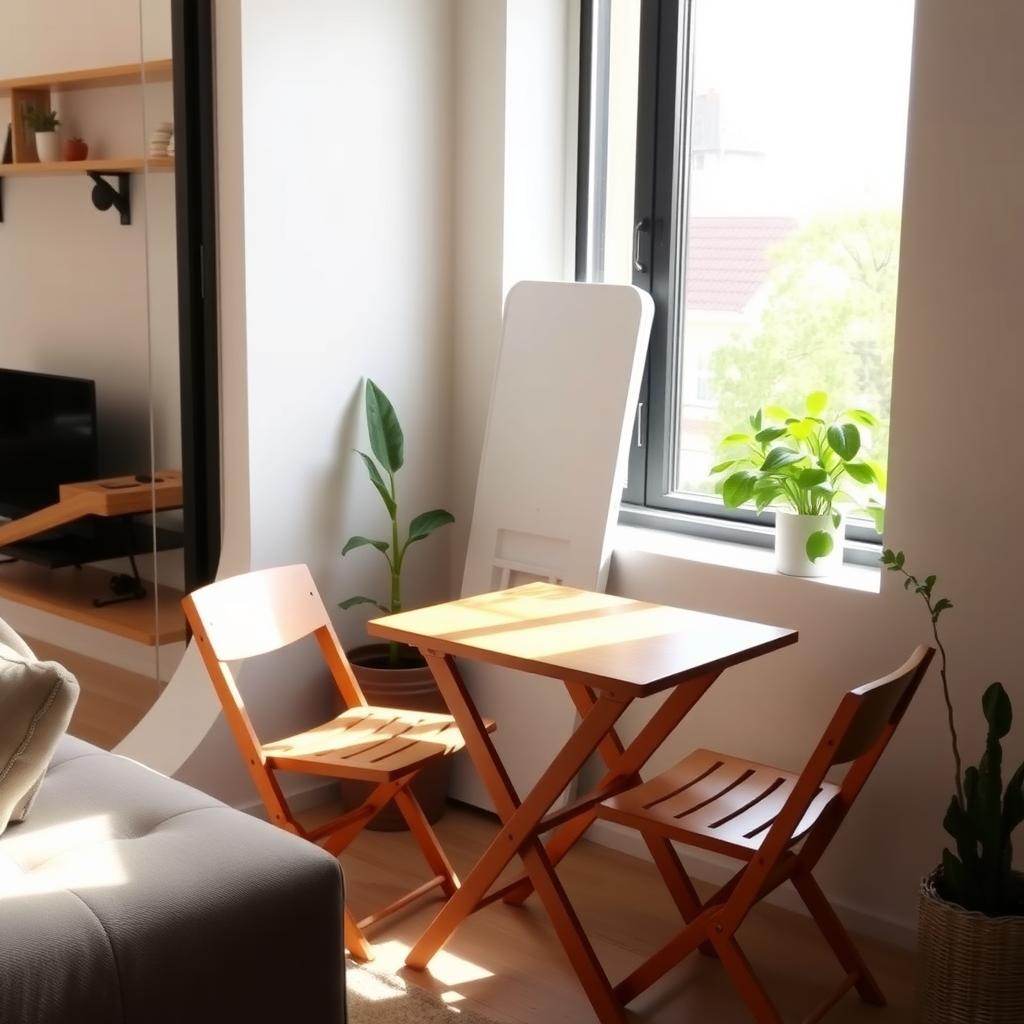
Placement is critical in small homes. A foldable table near a window can create a bright, inviting workspace. In a living room, it can serve as a coffee table or extra seating for guests. I recommend keeping it near storage areas, like a closet or under a sofa, for quick stowing. Avoid blocking pathways—small spaces feel cluttered fast.
Shopping Tips for Foldable Tables
Here’s how to make a smart purchase: - Check Weight Capacity: Ensure the table can handle your needs, like heavy laptops or dinnerware. - Test Stability: Wobbly tables are a hassle. Read reviews or test in-store if possible. - Look for Easy Folding Mechanisms: A table that’s hard to fold defeats the purpose. I once struggled with a table that required two people to collapse—avoid that. - Set a Budget: Prices range from $50 for basic models to $300 for high-end designs. IKEA and Wayfair offer affordable, stylish options. - Read Reviews: Websites like Consumer Reports often review furniture durability.

Personal Insights: My Experience with Foldable Tables
In my years of small-space living, I’ve tried several foldable tables. My favorite was a drop-leaf table that fit four people when extended but folded to a slim console for daily use. It wasn’t perfect—it scratched easily—but it taught me to prioritize durability over aesthetics in high-use furniture. Another lesson? Always measure your space twice. I once bought a table that barely fit through my door, creating a logistical nightmare.
Common Mistakes to Avoid
- Ignoring Storage: Ensure you have a spot to store the folded table.
- Overlooking Weight: Heavy tables are hard to move in tight spaces.
- Skipping Measurements: A table that’s too big can ruin your layout.
- Choosing Style Over Function: A pretty table that wobbles or doesn’t fold easily isn’t worth it.
Summary: Living Large in Small Spaces
Choosing the best foldable tables for small homes comes down to understanding your space, needs, and style. Prioritize size, material, and multifunctionality to find a table that enhances your home’s functionality without sacrificing aesthetics. With the right foldable table, you can live large in even the smallest spaces.