






Featured Post
Patio Furniture Maintenance Tips for Longevity
Overview
Your patio furniture transforms your outdoor space into a haven for relaxation and gatherings. But exposure to sun, rain, and wind can wear it down. With proper care, you can extend its life and keep it looking vibrant. This guide shares Patio Furniture Maintenance Tips for Longevity to help you protect your investment.
Why Patio Furniture Maintenance Matters
Outdoor furniture faces harsh conditions—UV rays fade colors, rain causes rust, and dirt builds up. Neglecting maintenance shortens its lifespan, leading to costly replacements. Regular care preserves aesthetics and functionality, ensuring your patio remains inviting. My own teak table, neglected for one summer, faded noticeably. A simple maintenance routine could have prevented that.
Understanding Your Patio Furniture Materials
Different materials require specific care. Here’s a quick breakdown:
| Material | Characteristics | Maintenance Needs |
|---|---|---|
| Wood | Warm, natural look; prone to fading | Clean with mild soap, seal annually |
| Metal | Durable; can rust | Wipe down, apply protective coatings |
| Wicker | Stylish; vulnerable to moisture | Dust regularly, avoid prolonged wet exposure |
| Plastic | Affordable; fades easily | Wash with soapy water, avoid abrasive cleaners |
Knowing your furniture’s material is the first step to effective care.
Cleaning Your Patio Furniture
Regular cleaning prevents dirt buildup and damage. Here’s how to clean different materials:
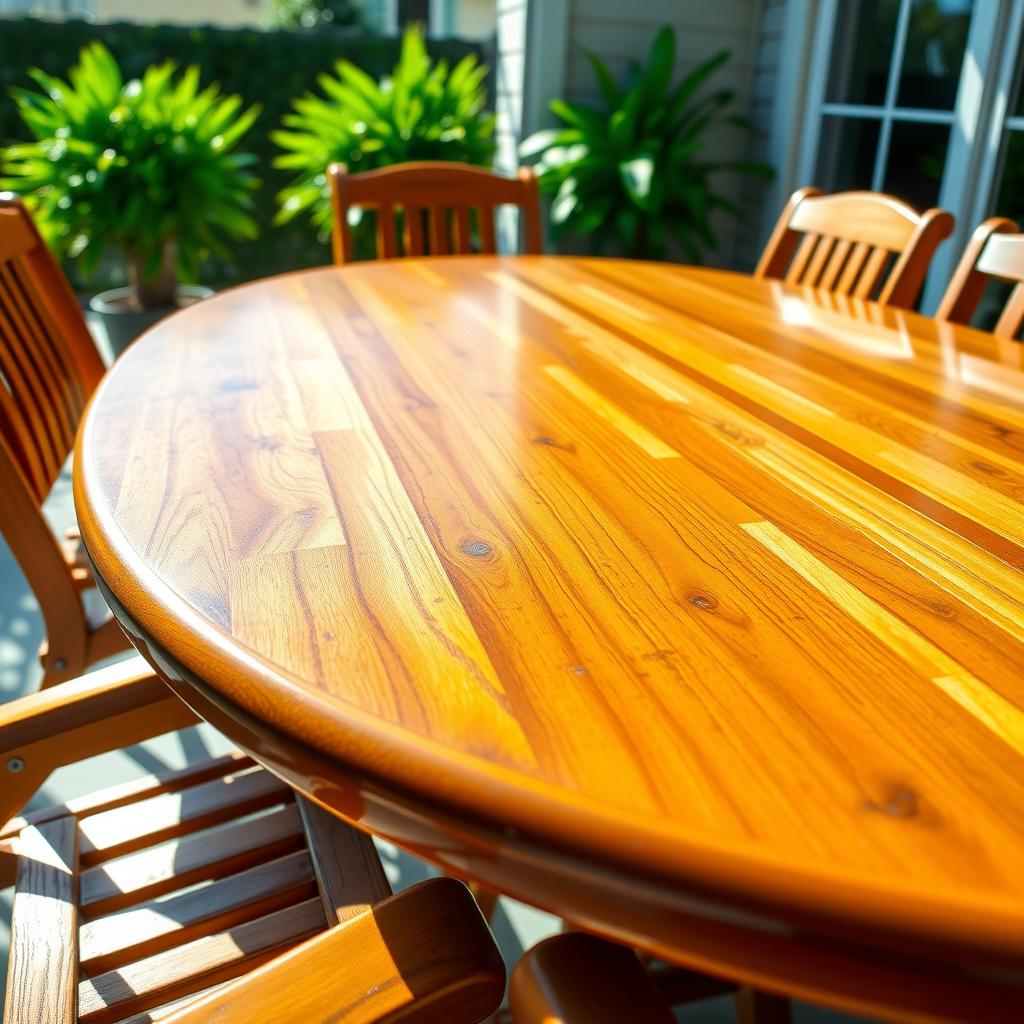
- Wood: Use a mild soap solution and a soft brush. Avoid pressure washers—they strip finishes. I learned this the hard way when I damaged a cedar chair with too much pressure.
- Metal: Wipe with a damp cloth and mild detergent. For rust spots, gently sand and apply a rust-resistant primer.
- Wicker: Vacuum dust, then clean with a damp cloth. Avoid soaking to prevent mold.
- Plastic: Scrub with soapy water and a soft sponge. Rinse thoroughly to avoid residue.
Clean at least twice a year—spring and fall work best.
Protecting Patio Furniture for All-Weather Conditions
Weather is the biggest threat to outdoor furniture. Here are ways to shield it:
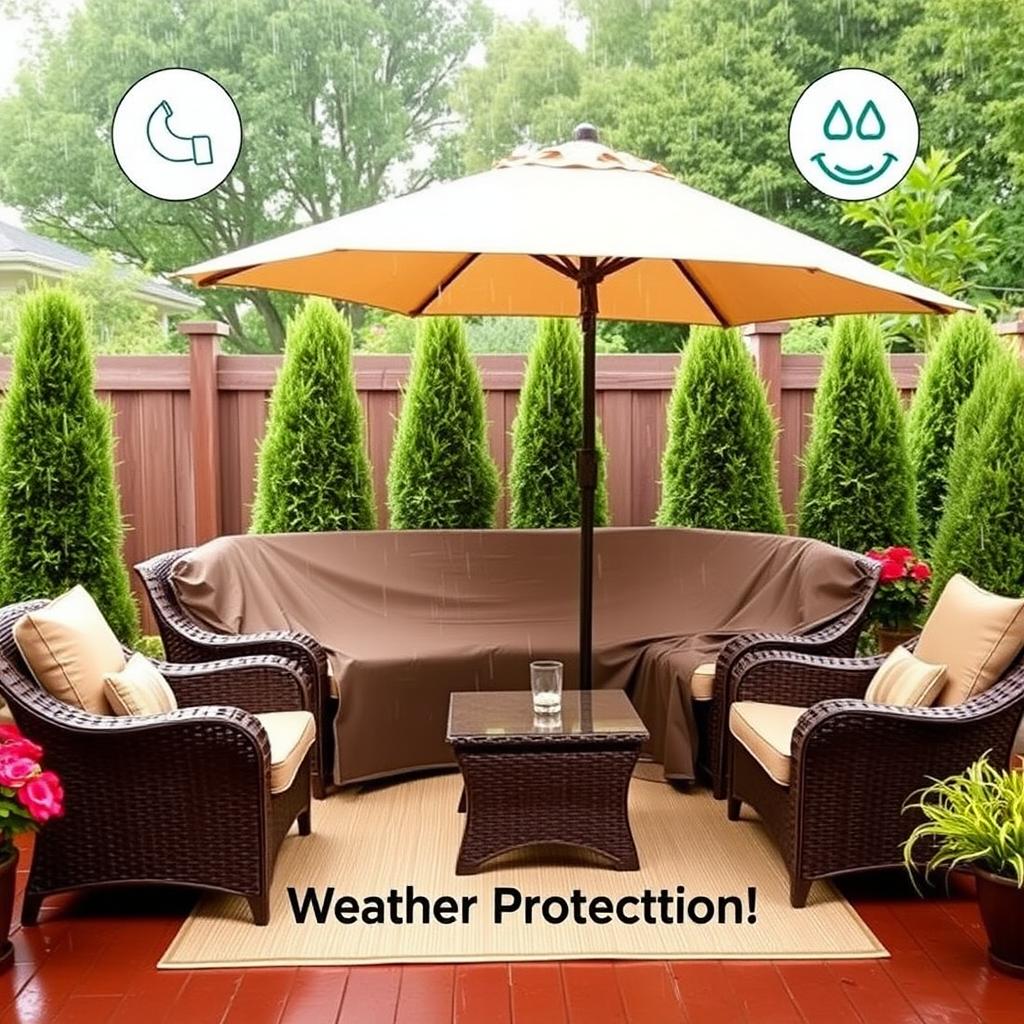
- Use Covers: Invest in high-quality, waterproof covers. They’re a game-changer. My aluminum chairs stayed rust-free after I started covering them during storms.
- Apply Sealants: For wood, apply a UV-protective sealant annually. Metal furniture benefits from wax or anti-rust sprays.
- Shade Solutions: A patio umbrella can reduce sun exposure. How to Choose the Perfect Patio Umbrella involves checking for UV-resistant fabrics and sturdy bases. Look for tilt features for adjustable shade.
These steps keep your patio furniture for all-weather conditions looking great.
Storing Patio Furniture in Off-Seasons
Storage is key for longevity, especially in harsh winters. Follow these tips:
- Clean Before Storing: Dirt left on furniture can cause mold or stains.
- Disassemble When Possible: Remove cushions and stack chairs to save space.
- Use a Dry, Ventilated Space: A garage or shed works well. Avoid damp basements.
- Elevate Furniture: Keep it off the floor to prevent moisture damage.
Last winter, I stored my cushions indoors, and they looked brand-new come spring. Outdoor storage units are also an option if space is tight.
Repairing Minor Damage
Small issues don’t mean you need new furniture. Here’s how to handle common problems:
- Fading Wood: Sand lightly and apply a fresh coat of sealant or stain. I revived an old bench this way, and it’s now a focal point.
- Rust on Metal: Sand affected areas and repaint with outdoor-grade paint.
- Torn Cushions: Patch small tears with outdoor fabric repair kits or replace cushion covers.
Addressing damage early prevents bigger issues later.
Choosing Durable Patio Furniture
Prevention starts with smart purchases. When shopping for patio furniture, prioritize durability:
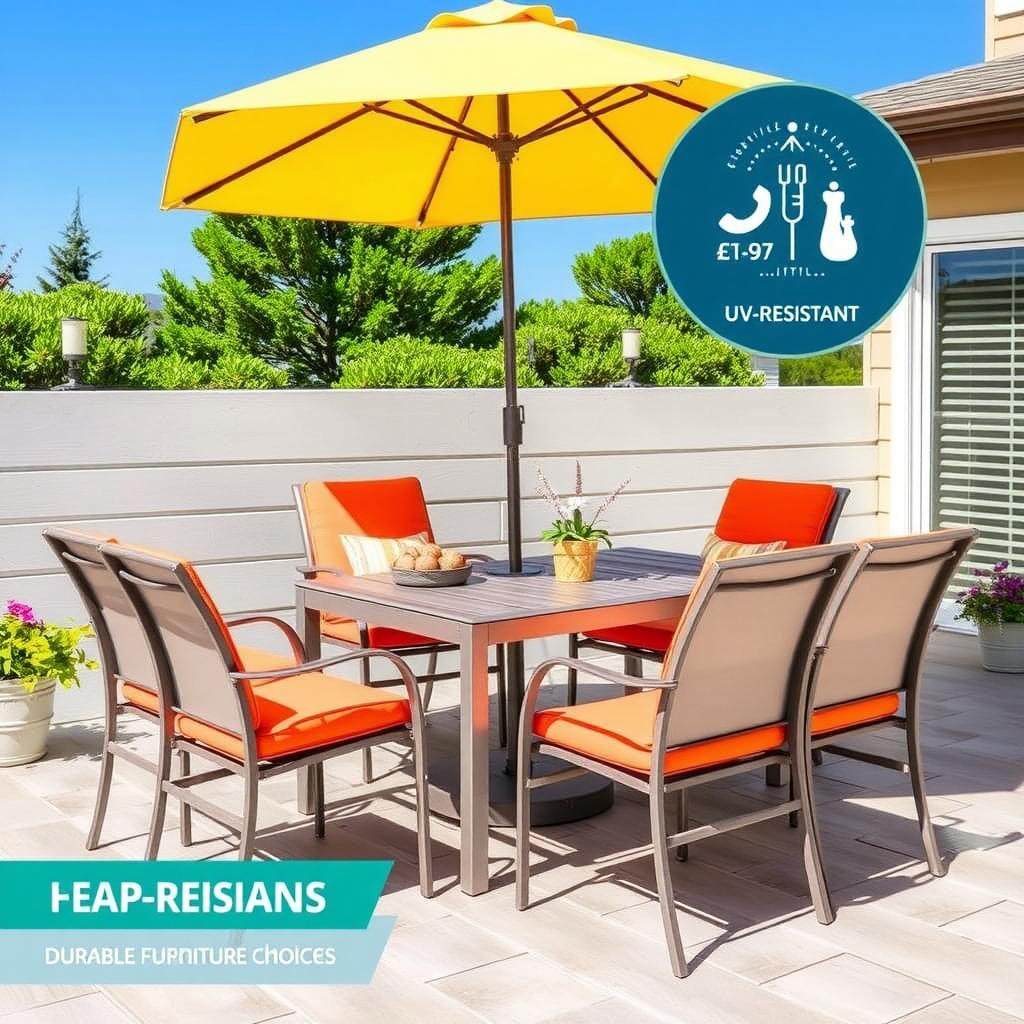
- Opt for weather-resistant materials like teak, aluminum, or resin wicker.
- Check for UV-resistant fabrics on cushions.
- Read reviews for real-world performance. I once bought cheap plastic chairs that cracked after one season—lesson learned.
Investing in quality upfront reduces maintenance needs.
Seasonal Maintenance Checklist
Stay on top of care with this seasonal checklist:
Spring: - Clean all furniture thoroughly. - Inspect for winter damage. - Apply sealants or protective coatings.
Summer: - Dust weekly to prevent grime buildup. - Check umbrella stability in windy conditions.
Fall: - Deep clean before storage. - Repair any damage.
Winter: - Store furniture or cover securely.
This routine keeps your furniture in top shape year-round.
Eco-Friendly Maintenance Tips
Sustainable care benefits both your furniture and the planet:
- Use biodegradable soaps for cleaning.
- Repurpose old furniture instead of discarding it. I turned a worn table into a planter!
- Choose eco-friendly sealants with low VOCs.
These choices reduce environmental impact while maintaining your patio’s appeal.
Common Mistakes to Avoid
Avoid these pitfalls to ensure longevity:
- Skipping Covers: Uncovered furniture ages faster.
- Using Harsh Cleaners: Bleach can damage finishes.
- Ignoring Small Damage: A tiny rust spot can spread quickly.
Learning from my own mistakes, like leaving chairs out during a storm, has made me diligent about protection.
Summary
Maintaining your patio furniture doesn’t have to be hard. Regular cleaning, proper protection, and smart storage can make your patio furniture for all-weather conditions last for years. By choosing durable materials and following these Patio Furniture Maintenance Tips for Longevity, you’ll keep your outdoor space inviting and functional. Start small, stay consistent, and enjoy your patio for seasons to come.