



Featured Post
How to Choose the Perfect Bar Stool for Your Home
Overview
Choosing the perfect bar stool for your home can transform your kitchen or dining area into a stylish, functional space. Whether you're a new homeowner building your furniture shopping checklist or updating your decor, this guide offers practical advice to find bar stools that suit your needs and style.
Why Bar Stools Matter
Bar stools are more than just seating. They set the tone for your kitchen island, home bar, or high-top table. They’re where you sip morning coffee, host friends, or help kids with homework. The right bar stool blends comfort, durability, and aesthetics, making your home feel welcoming and cohesive.
When I moved into my first home, I underestimated the impact of bar stools. I picked a cheap set that looked good online but wobbled after a month. That mistake taught me to prioritize quality and fit. This guide will help you avoid similar pitfalls and make informed choices.
Step 1: Measure Your Space
Before browsing, measure your counter or table height. Standard kitchen counters are 36 inches tall, while bar-height tables range from 40 to 42 inches. Bar stools typically come in three heights:
- Counter height: 24–26 inches (for 36-inch counters)
- Bar height: 28–30 inches (for 40–42-inch bars)
- Extra-tall: 33–36 inches (for custom or taller bars)
Leave 10–12 inches between the seat and the counter for legroom. I once bought stools that were too tall, and my knees kept bumping the counter—frustrating! Measure twice to ensure comfort.
Also, consider the number of stools. Allow 24–28 inches of width per stool for elbow room. For a 6-foot island, three stools work well; for an 8-foot island, four is ideal.
Step 2: Choose the Right Style
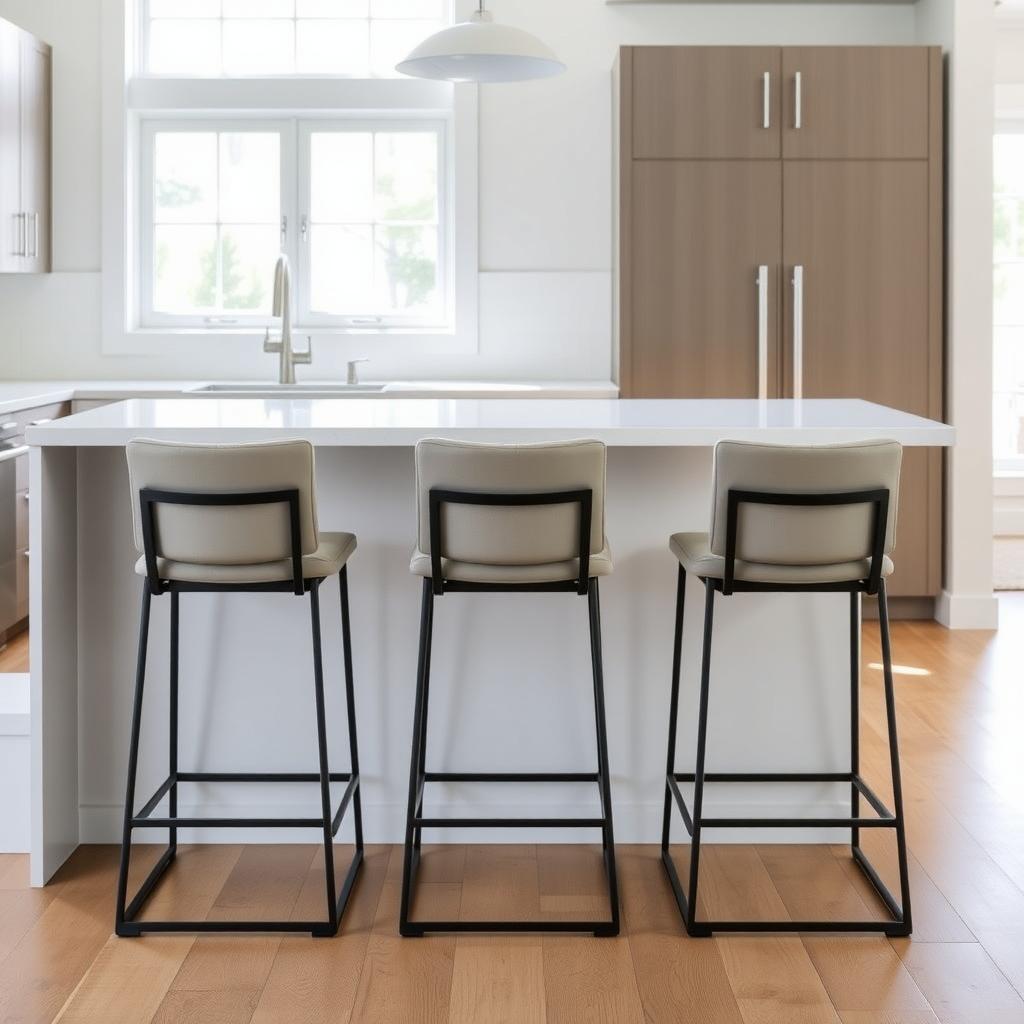
Your bar stools should match your home’s vibe. Are you going for modern, rustic, or industrial? Here’s a quick breakdown of popular styles:
| Style | Features | Best For |
|---|---|---|
| Modern | Sleek lines, neutral colors, metal frames | Minimalist or contemporary homes |
| Rustic | Wood, distressed finishes, warm tones | Farmhouse or cozy spaces |
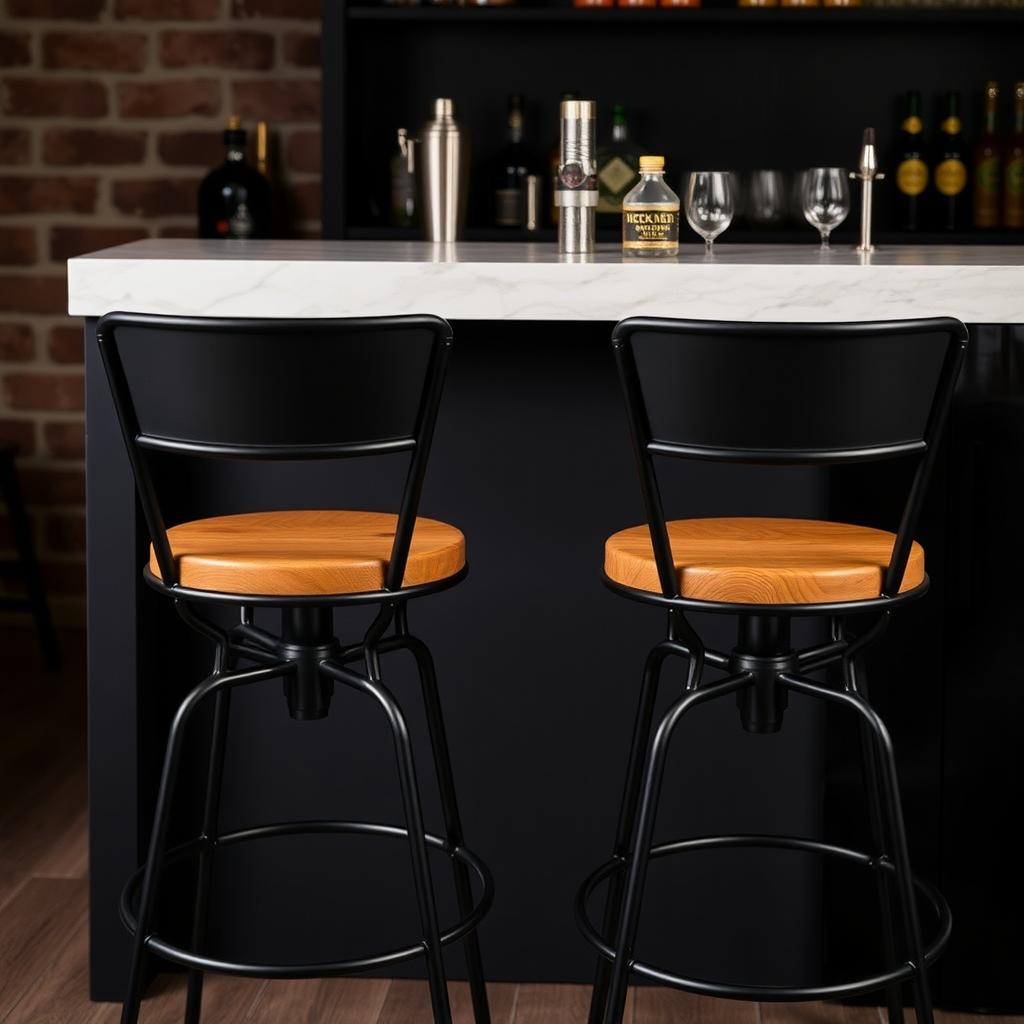
| Industrial | Metal, raw materials, utilitarian design | Urban lofts or edgy interiors |
| Mid-Century | Tapered legs, bold colors, retro vibes | Eclectic or vintage-inspired homes |
When I redecorated my kitchen, I chose mid-century stools with walnut frames to add warmth to my white countertops. They became a conversation starter! Pick a style that complements your existing furniture for a cohesive look.
Step 3: Focus on Comfort and Functionality
Comfort is key, especially if you’ll use the stools daily. Look for:
- Seat cushioning: Padded seats or backrests make long sits enjoyable. Leather or fabric upholstery adds luxury but requires maintenance.
- Footrests: Essential for support, especially for bar-height stools.
- Swivel or stationary: Swivel stools are great for casual settings, but stationary ones feel sturdier for formal spaces.
I learned this the hard way when I bought backless stools for looks. They were stylish but uncomfortable for long meals. If you have kids, consider stools with backrests for safety.
Also, think about weight capacity. Most stools support 250–300 pounds, but check manufacturer specs for heavier-duty options.
Step 4: Pick Durable Materials
Bar stools take a beating—spills, bumps, and daily use. Choose materials that last:
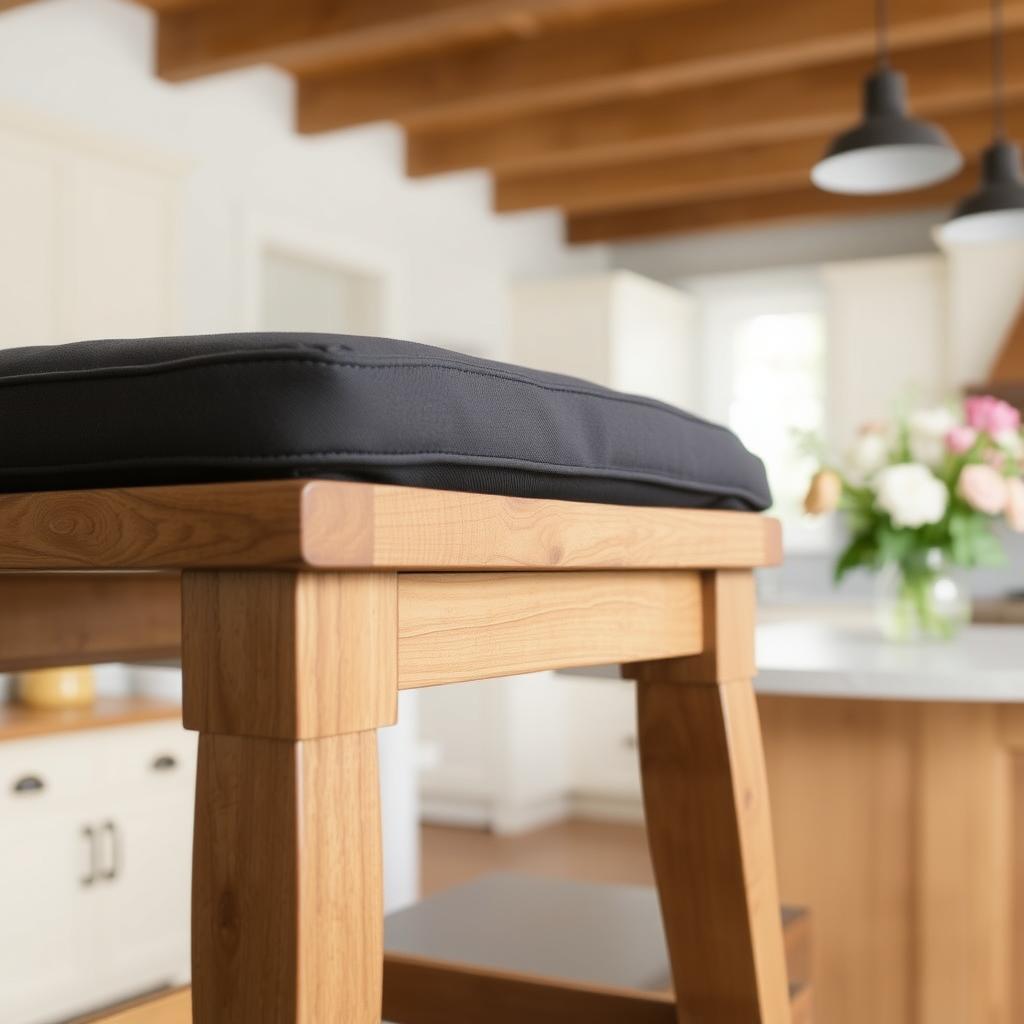
- Wood: Classic and warm but prone to scratches. Opt for hardwoods like oak or walnut.
- Metal: Durable and modern, ideal for industrial looks. Stainless steel resists rust.
- Upholstery: Leather is easy to clean; fabric offers more color options but stains easily.
A study by the Furniture Industry Research Association found that hardwood and metal frames last 5–10 years longer than cheaper alternatives. My metal-framed stools have survived three years of kids and parties without a scratch!
Step 5: Consider Your Lifestyle
Your daily routine shapes your bar stool choice. Ask yourself:
- Do you entertain often? Choose stools with easy-to-clean surfaces like leather or vinyl.
- Have kids or pets? Avoid delicate fabrics and opt for sturdy frames.
- Short on space? Look for stackable or backless stools that tuck under counters.
I host game nights weekly, so I chose wipeable leather stools to handle spills. If storage is tight, check out foldable options for flexibility.
Step 6: Set a Budget
Bar stools range from $50 to $500 per stool. Budget options work for occasional use, but investing in quality pays off for daily seating. A Consumer Reports guide on furniture durability suggests spending at least $100–$150 per stool for decent craftsmanship. I splurged on mid-range stools ($200 each) and haven’t regretted it—they’ve outlasted cheaper sets I owned.
Step 7: Test Before You Buy
If possible, try stools in person. Sit on them, check the height, and test stability. Online shopping is convenient, but photos can mislead. When I bought my current set, I visited a showroom to confirm comfort. If you’re shopping online, read reviews on sites like Houzz for real user feedback.
Step 8: Maintenance and Care
To keep your bar stools looking great:
- Clean regularly: Wipe metal or wood with a damp cloth; use mild soap for upholstery.
- Tighten screws: Check for loose bolts every few months.
- Protect finishes: Use coasters to prevent scratches or water rings.
I set a reminder to tighten my stools’ screws twice a year, which has kept them sturdy. Following manufacturer care guides, like those from IKEA’s furniture care tips, extends their lifespan.
Summary
Choosing the perfect bar stool for your home involves balancing style, comfort, and durability. Measure your space, match your decor, and prioritize materials that suit your lifestyle. By following this furniture shopping checklist for new homeowners, you’ll find bar stools that elevate your space and last for years. Happy shopping!