



Featured Post
Timeless Color Palettes for Classic Interiors: A Guide to Elegant Design
Overview
Creating a classic interior that feels both timeless and fresh is an art. Timeless Color Palettes for Classic Interiors strike a balance between elegance and versatility, ensuring your home feels inviting for years. This guide explores the best color schemes, furniture integration, and practical tips for a sophisticated yet approachable space.
Why Timeless Color Palettes Matter
Classic interiors evoke a sense of permanence and comfort. They avoid fleeting trends, focusing instead on colors that endure. Think of soft neutrals, rich earth tones, and subtle accents that feel warm and inviting. These palettes create a foundation that’s easy to update with modern touches, like minimalist armoires for modern interiors or sleek furniture.
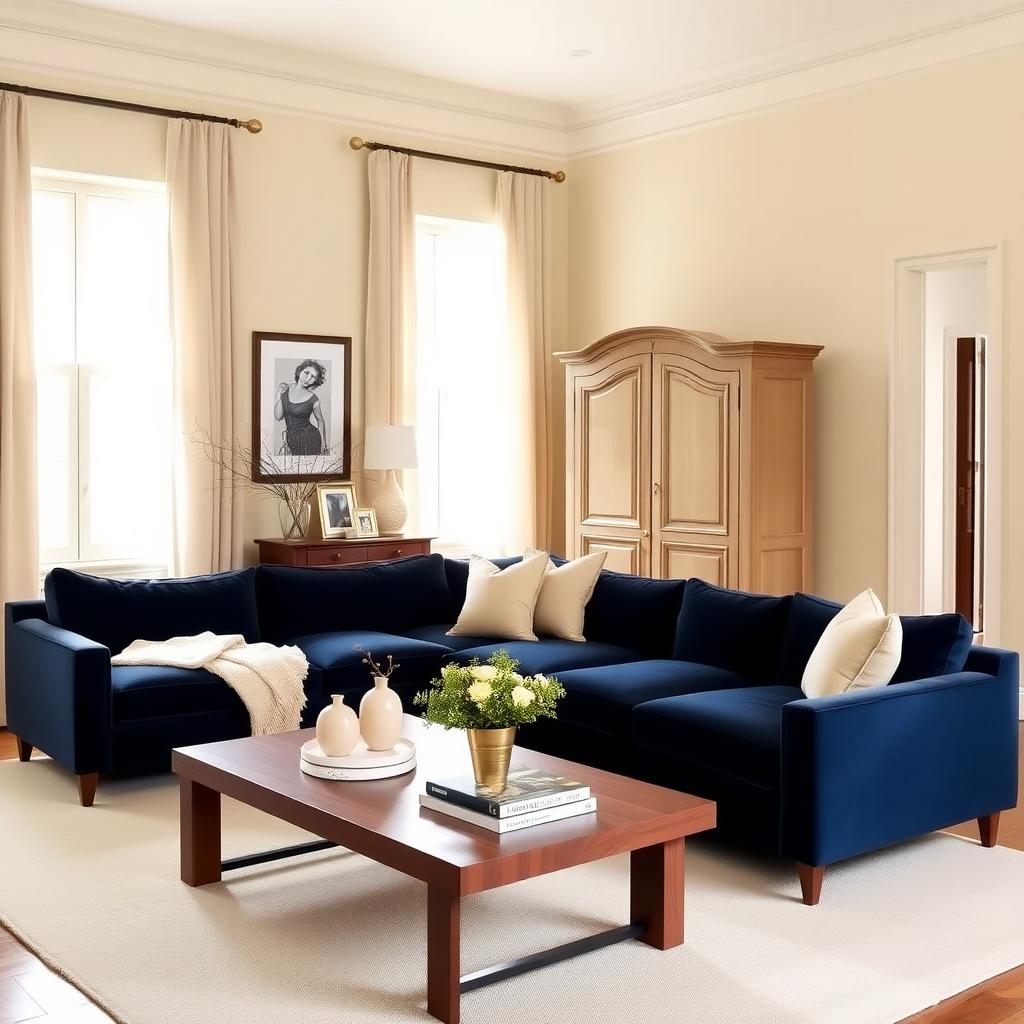
When I redecorated my living room last year, I wanted a space that felt elegant but not stuffy. I chose a creamy beige base with deep navy accents. The result? A room that feels both luxurious and livable, proving that the best color palettes for classic interiors are those that adapt to your lifestyle.
The Best Color Palettes for Classic Interiors
Here are three timeless color palettes that work beautifully in classic interiors:
- Warm Neutrals (Ivory, Taupe, and Cream)
- These shades create a soft, welcoming backdrop.
- Pair with wood furniture or metallic accents for depth.
-
Example: Ivory walls with taupe upholstery and brass lamps.
-
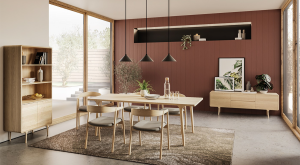
Earthy Elegance (Olive Green, Terracotta, and Beige)
- Earth tones feel grounded and versatile.
- Use olive green for accent walls or terracotta for throw pillows.
-
Perfect for dining rooms or cozy libraries.
-
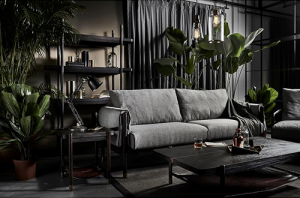
Monochrome Sophistication (Gray, Charcoal, and White)
- Grays offer a modern twist on classic style.
- Add texture with wool rugs or linen curtains.
- Ideal for bedrooms seeking calm elegance.
Each palette offers flexibility. For example, I’ve seen friends transform their homes with warm neutrals, adding pops of color through art or cushions. The key is balance—too much neutrality can feel flat, while bold accents keep the space dynamic.
Integrating Modern Furniture into Classic Interiors
Blending modern furniture with classic interiors is easier than it sounds. The trick is to choose pieces that complement the color palette without overpowering it. For instance, a sleek armoire with clean lines can anchor a room without clashing with traditional elements like crown molding or vintage rugs.
Here’s a quick guide to integrating modern furniture:
| Element | Classic Touch | Modern Twist |
|---|---|---|
| Seating | Tufted sofa | Sleek leather armchair |
| Storage | Ornate cabinet | Minimalist armoires for modern interiors |
| Lighting | Crystal chandelier | Geometric pendant light |
| Tables | Mahogany dining table | Glass-top coffee table |
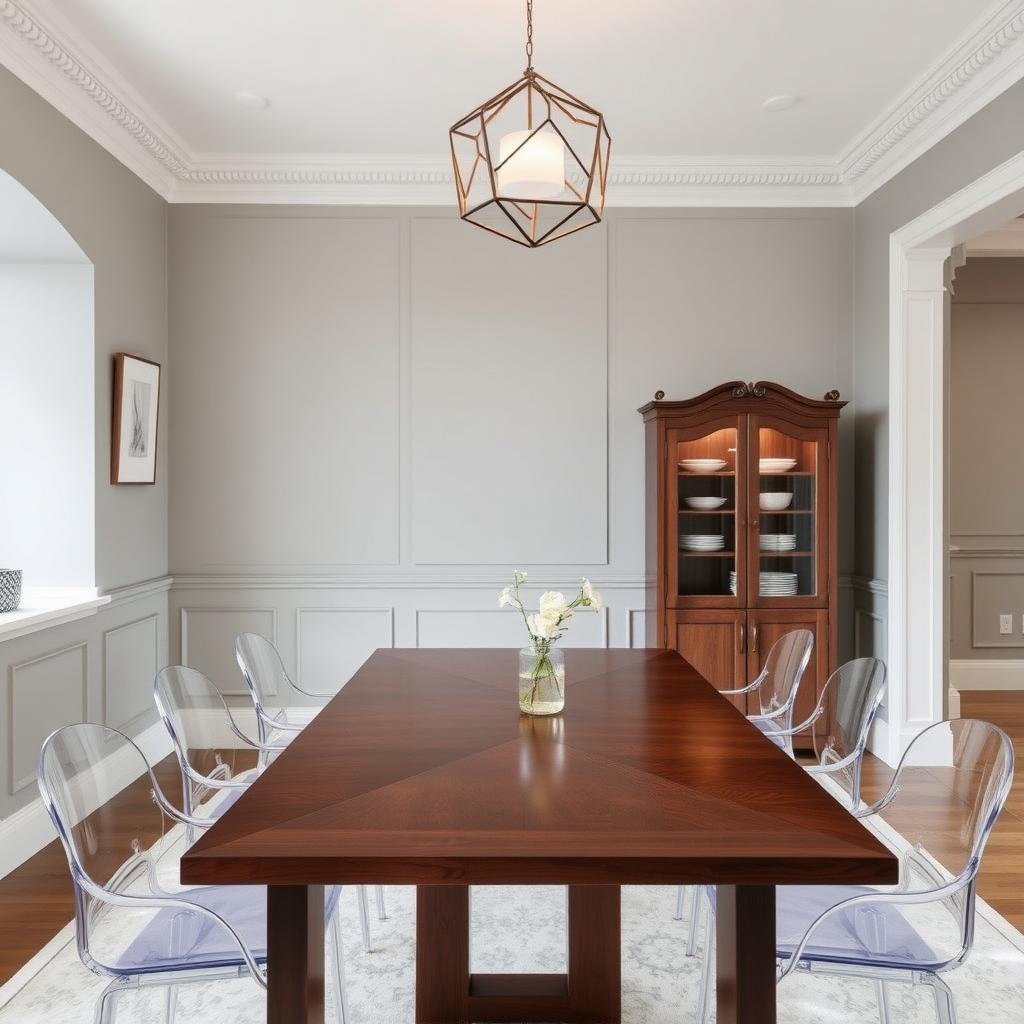
This mix creates a harmonious look. In my dining room, I paired a traditional oak table with modern acrylic chairs. The contrast feels fresh yet cohesive.
Choosing the Right Armoire
An armoire is a versatile piece that bridges classic and modern styles. Traditionally, armoires were ornate, but today’s minimalist armoires for modern interiors offer sleek designs that fit smaller spaces. They’re perfect for storing linens, clothes, or even electronics in a living room.
When picking an armoire: - Size: Ensure it fits the room without overwhelming it. - Material: Wood adds warmth; metal or lacquered finishes feel modern. - Color: Match or complement your palette. A white armoire pops against navy walls.
I recently helped a friend choose a walnut armoire for her bedroom. It added storage and style without dominating the space.
Tips for Creating a Cohesive Look
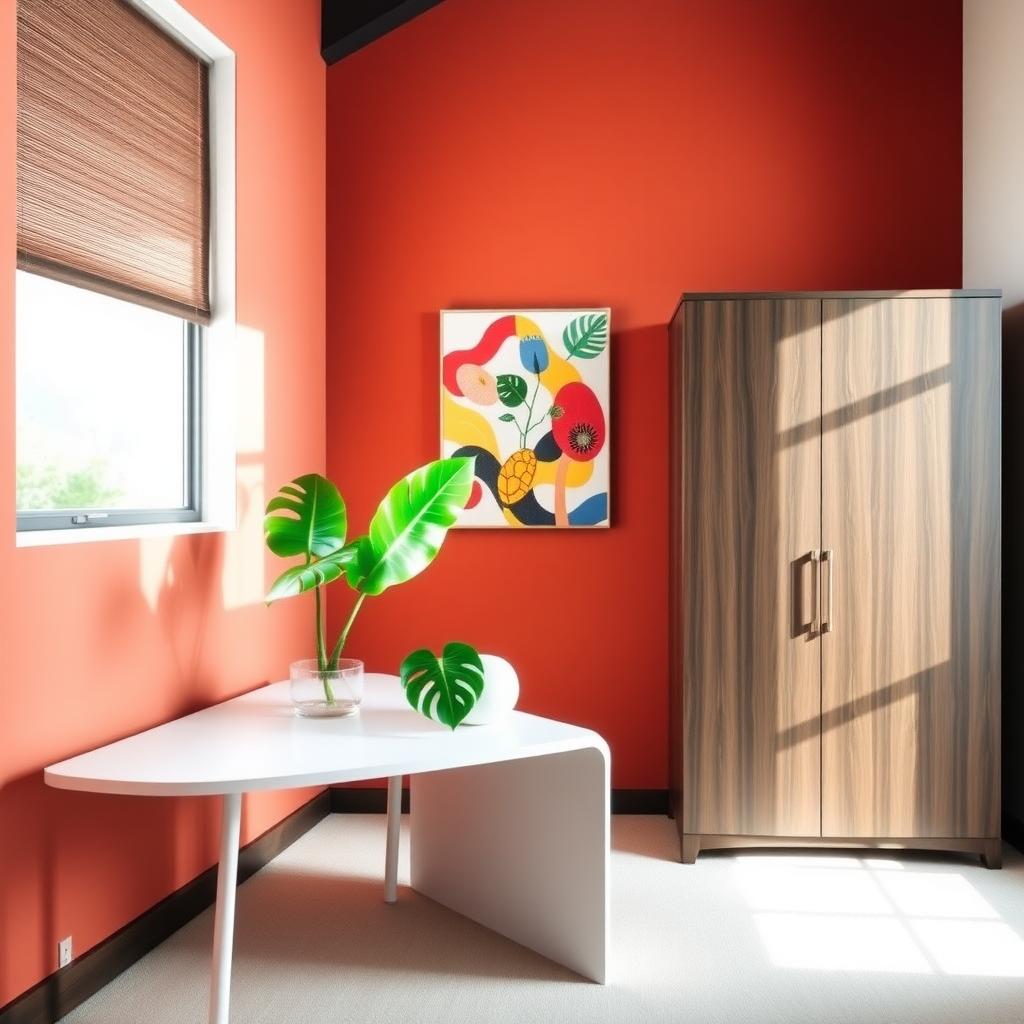
To tie your interior together: - Layer Textures: Combine smooth leather with soft wool or linen. - Balance Colors: Use a 60-30-10 rule (60% main color, 30% secondary, 10% accent). - Add Art: A bold painting or classic portrait can bridge old and new. - Incorporate Greenery: Plants add life and soften modern edges.
These tips helped me refresh my home office. A terracotta accent wall paired with a modern desk and lush plants created a space that’s both functional and inviting.
Common Mistakes to Avoid
It’s easy to make missteps when designing classic interiors. Here are pitfalls to watch for: - Overloading with Trends: Avoid trendy colors that date quickly, like neon hues. - Ignoring Scale: Oversized modern furniture can overwhelm classic spaces. - Skipping Texture: Flat finishes make rooms feel cold. Mix materials for warmth.
When I first decorated my home, I fell for a trendy bright yellow chair. It clashed with my neutral palette and felt out of place within months. Stick to timeless choices for longevity.
Expert Insights
According to interior designer Sarah Richardson, 'Classic interiors thrive on restraint and harmony.' Her work emphasizes neutral bases with thoughtful accents, a principle I’ve applied in my own home. For further inspiration, check out resources like Architectural Digest (https://www.architecturaldigest.com) for expert tips on balancing old and new.
Summary
Timeless Color Palettes for Classic Interiors create spaces that feel elegant and enduring. By choosing versatile neutrals, earthy tones, or monochrome schemes, you can craft a home that’s both classic and modern. Integrating pieces like minimalist armoires for modern interiors adds function and style. With careful planning, your space will stay beautiful for years.