








Featured Post
Pet-Proofing Your Furniture: Easy Tips for a Pet-Friendly Home
Overview
Living with pets brings joy, but it can also mean scratches, stains, and wear on your furniture. Pet-Proofing Your Furniture: Easy Tips offers practical solutions to protect your home’s style without sacrificing your pet’s comfort. From leather sofas to beds, these strategies keep your furniture safe and your home welcoming.
Why Pet-Proofing Your Furniture Matters
Pets are family, but their claws, fur, and occasional accidents can wreak havoc on your furniture. I’ve seen it firsthand—my golden retriever, Max, once turned my new leather sofa into a scratching post within a week. The cost of repairs or replacements can add up fast, and the emotional toll of seeing your favorite pieces damaged isn’t fun either. By taking proactive steps, you can prevent damage and extend the life of your furniture, whether it’s a luxurious leather sofa or a cozy bed.
Pet-proofing isn’t about restricting your pet’s freedom. It’s about creating a space where both you and your furry friend can relax. With the right approach, you can maintain a stylish home while keeping your pet happy. Let’s dive into some easy, effective tips to make that happen.
Choosing Pet-Friendly Furniture Materials
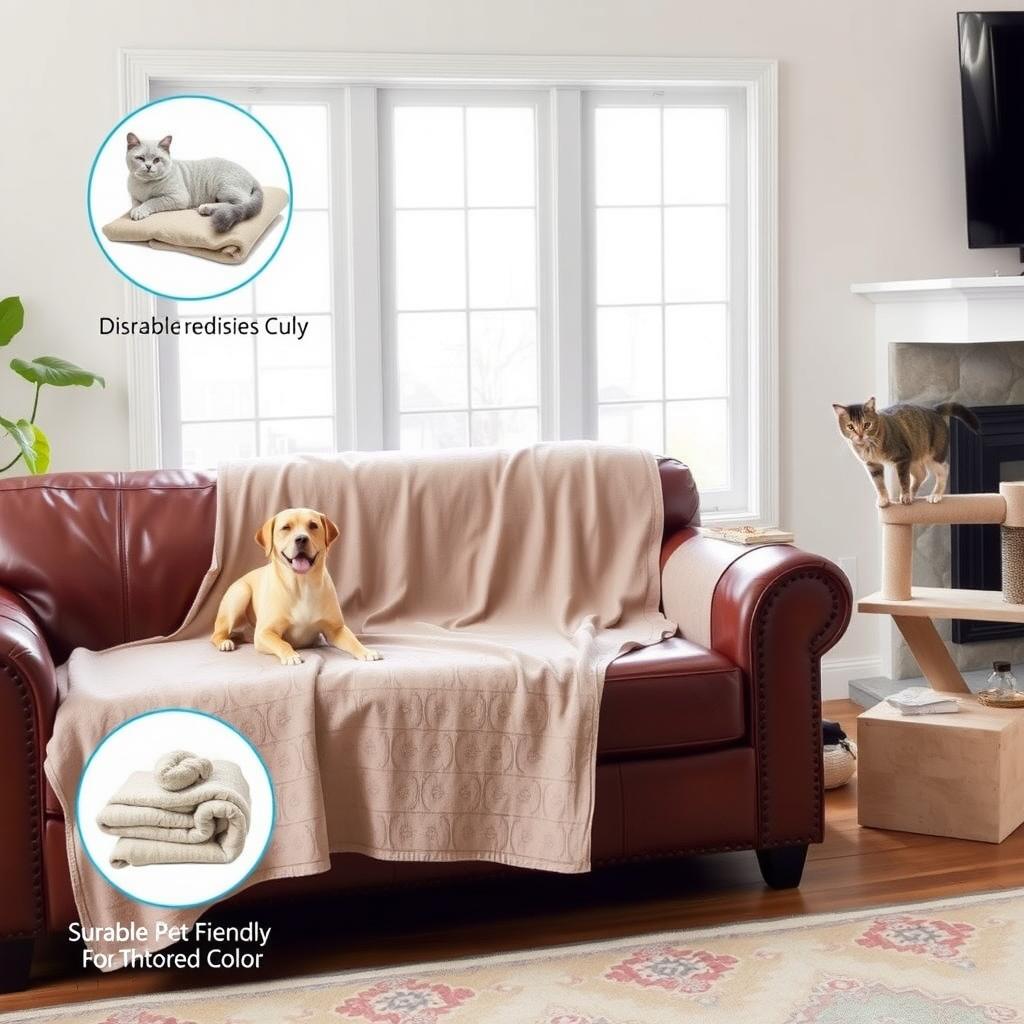
Not all furniture is created equal when it comes to surviving pets. Some materials hold up better against claws, fur, and stains. Here’s a quick guide to furniture care for different materials:
| Material | Pet-Friendliness | Care Tips |
|---|---|---|
| Leather | Moderately durable, prone to scratches | Use conditioners, cover with throws |
| Microfiber | Highly durable, stain-resistant | Vacuum regularly, spot-clean stains |
| Cotton/Canvas | Prone to stains, less durable | Use washable slipcovers |
| Wood | Susceptible to scratches | Apply protective coatings, use runners |
- Leather: Leather sofas are luxurious but tricky with pets. Scratches show easily, so regular maintenance is key. More on that in the Leather Sofa Care section below.
- Microfiber: This is my go-to for pet owners. It’s affordable, resists stains, and cleans easily with a damp cloth.
- Wood: Wooden furniture, like bed frames or coffee tables, can get scratched. Consider pet-safe coatings or keep claws trimmed.
When shopping for new furniture, prioritize tightly woven fabrics or durable materials. Avoid delicate options like silk, which can snag or stain easily. If you’re unsure, test a fabric sample by gently scratching it with your nail to mimic pet claws.
Leather Sofa Care: Keeping Luxury Alive
A leather sofa adds elegance to any room, but pets can turn it into a scratched-up eyesore if you’re not careful. I learned this the hard way with Max, who thought my couch was his personal scratching post. Here’s how to keep your leather sofa looking pristine:
- Use Protective Covers: Invest in a durable, pet-friendly throw or slipcover. Look for machine-washable options in neutral tones to match your decor.
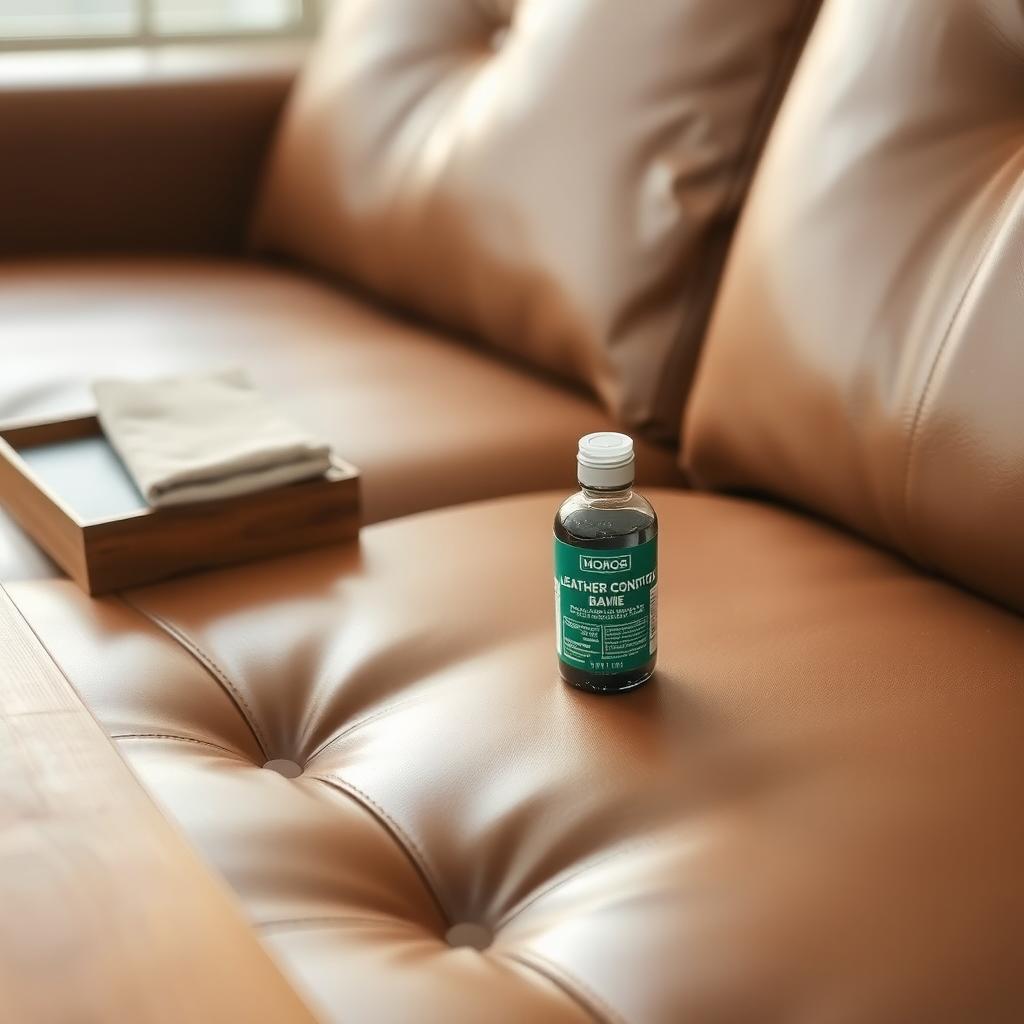
- Condition Regularly: Leather conditioners keep the material supple and less prone to cracking. Apply every 6-12 months, following the product instructions.
- Address Scratches Early: For minor scratches, use a leather repair kit. I’ve used one from a local hardware store, and it worked wonders on small claw marks.
- Discourage Scratching: Place scratching posts nearby to redirect your pet’s attention. Reward them with treats when they use the post instead of the sofa.
For deeper scratches, consult a professional. According to the Leather Working Group, proper care can extend the life of leather furniture by years (https://www.leatherworkinggroup.com). With a little effort, your leather sofa can stay luxurious even in a pet-filled home.
Protecting Your Bed from Pet Damage
If your pet sleeps on your bed (and let’s be honest, most do), you need a plan to keep it clean and intact. My cat, Luna, loves napping on my bed, leaving fur and occasional muddy paw prints. Here’s how to protect your bed:
- Use a Waterproof Mattress Protector: Accidents happen, especially with puppies or senior pets. A waterproof protector saves your mattress from stains and odors.
- Add Washable Bedding: Choose duvet covers and sheets that are easy to wash. I swap out my bedding weekly to keep fur under control.
- Vacuum Regularly: A handheld vacuum is a lifesaver for removing pet hair. I use one every few days to keep my bed fur-free.
- Train Boundaries: If you don’t want pets on the bed, train them early with consistent commands and rewards. A cozy pet bed nearby can help.
Investing in durable bedding materials, like tightly woven cotton or microfiber, also helps. Avoid delicate fabrics like linen, which can snag easily.
Training Pets to Minimize Furniture Damage
Training is a big part of pet-proofing. Pets don’t naturally know which surfaces are off-limits, so you need to guide them. Here are some tips:
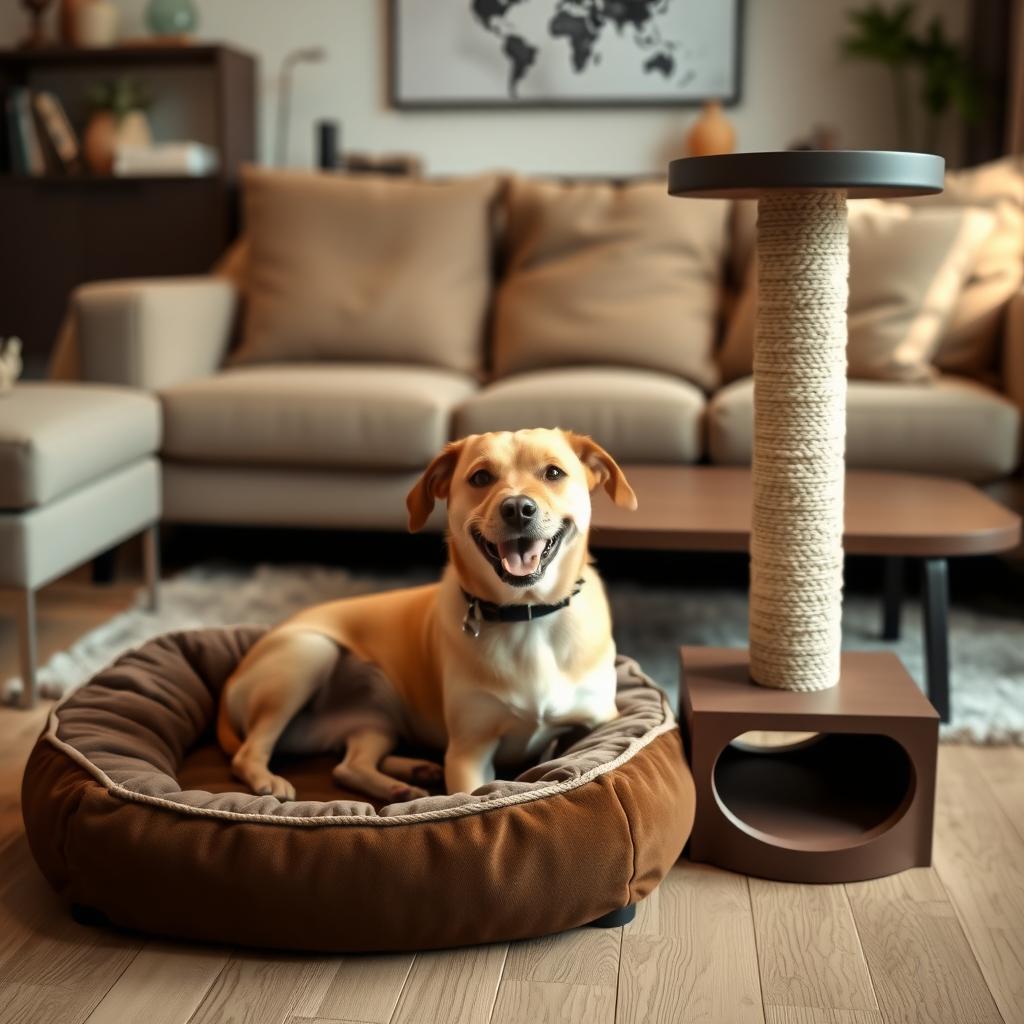
- Provide Alternatives: Scratching posts, chew toys, and pet beds give pets their own space. Place these near furniture to redirect their attention.
- Use Positive Reinforcement: Reward pets with treats or praise when they use their toys instead of scratching furniture.
- Deterrents: Double-sided tape or pet-safe sprays can discourage scratching. I used tape on my couch corners, and Max stopped scratching within days.
- Keep Claws Trimmed: Regular nail trims reduce damage. If you’re nervous about trimming, ask your vet or groomer for help.
Consistency is key. It took weeks to train Max to avoid my sofa, but the effort paid off. Be patient, and your furniture will thank you.
Cleaning and Maintenance Tips
Even with the best prevention, accidents happen. Here’s how to clean and maintain your furniture:
- Vacuum Weekly: Use a pet-hair attachment to remove fur from sofas, chairs, and beds.
- Spot-Clean Stains: For fabric furniture, use a mild detergent and water. For leather, use a cleaner designed for leather to avoid damage.
- Deodorize: Baking soda or pet-safe deodorizers can keep furniture smelling fresh. Sprinkle, let sit, then vacuum.
- Professional Cleaning: For tough stains or odors, consider a professional cleaning service every 1-2 years.
I’ve found that keeping a small cleaning kit (vacuum, wipes, and deodorizer) near my living room makes quick cleanups easy. Regular maintenance prevents small issues from becoming big problems.
Summary
Pet-proofing your furniture doesn’t have to be hard. By choosing durable materials, using protective covers, training your pets, and maintaining your furniture, you can create a home that’s both stylish and pet-friendly. Whether it’s Leather Sofa Care: Keeping Luxury Alive or protecting your bed, these tips will help you enjoy your pets without sacrificing your furniture’s look or longevity. Start small, stay consistent, and your home will stay beautiful for years to come.