









Featured Post
Furniture Care Guide for Wood Finishing: Keep Your Pieces Shining
Overview: Why Wood Finishing Care Matters
Wooden furniture, like a sturdy oak chair or a sleek walnut table, brings warmth and elegance to any home. But without proper care, the beauty of wood finishes can fade, crack, or scratch over time. This furniture care guide for wood finishing offers practical steps to keep your pieces looking pristine while extending their life. From cleaning to protection, we’ll cover everything you need to know.
Understanding Wood Finishes
Wood finishes, like varnish, lacquer, or oil, protect the wood’s surface while enhancing its natural grain. Each finish reacts differently to wear, sunlight, and cleaning products. For instance, a lacquered dining chair might shine brilliantly but can scratch easily if mishandled. Knowing your furniture’s finish is the first step to proper care. If you’re unsure, check the manufacturer’s label or consult a professional.
To identify a finish, try this simple test: rub a small, hidden area with a cloth dipped in denatured alcohol. If the finish softens, it’s likely lacquer; if it resists, it could be polyurethane or varnish. Understanding this helps you choose the right cleaning and maintenance methods, avoiding damage to your furniture.
Cleaning Wooden Furniture Properly
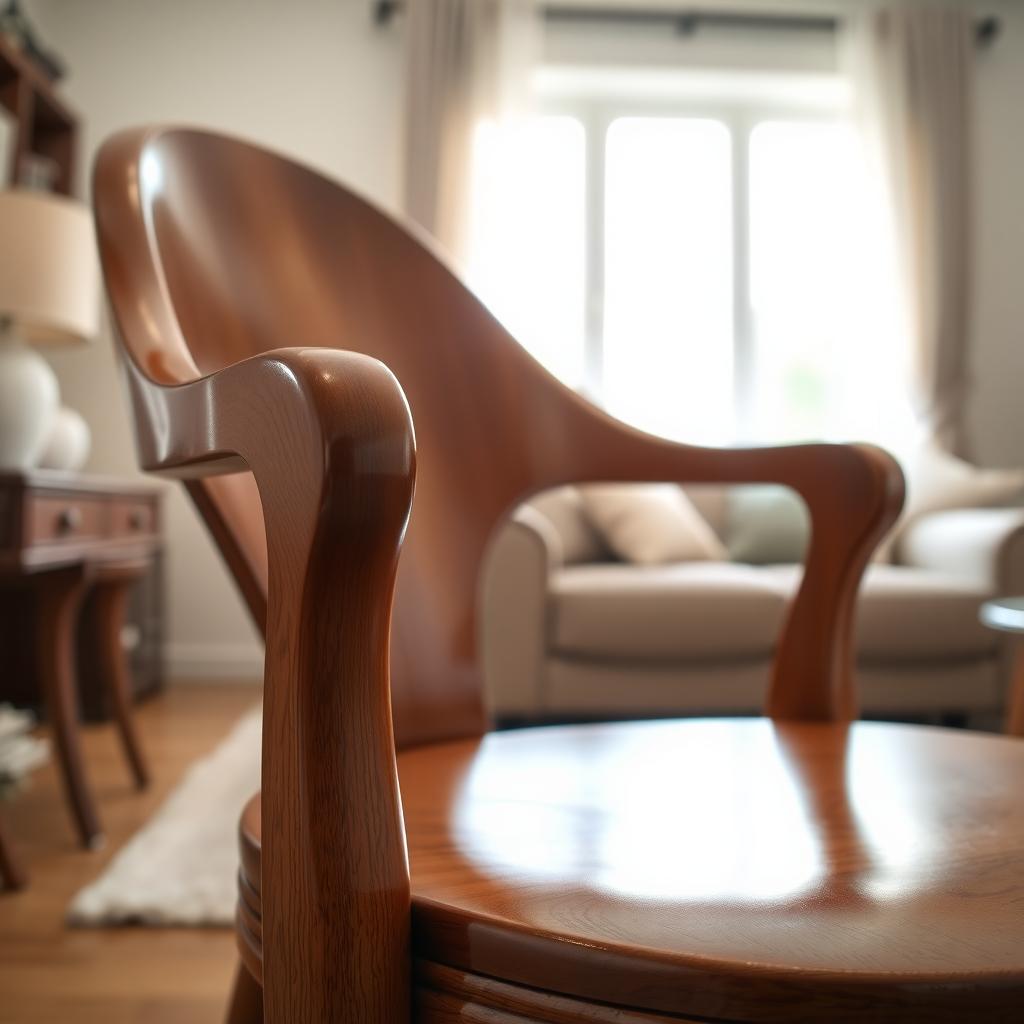
Regular cleaning keeps your wooden furniture free from dust and grime that can dull its finish. Start by dusting weekly with a soft, lint-free cloth. Avoid feather dusters—they can scatter dust or snag on rough edges. For deeper cleaning, use a mild solution of dish soap and water. Dampen a cloth (never soak it) and wipe gently, following the wood’s grain.
Cleaning Tips: - Don’t use all-purpose cleaners: Harsh chemicals can strip or cloud finishes. - Dry immediately: Excess moisture can warp wood or damage the finish. - Test first: Always try your cleaning solution on a hidden area, like under a chair seat.
For sticky spots, like spilled juice on a table, mix a teaspoon of vinegar with water and wipe gently. I once saved a cherished maple chair from a stubborn coffee ring using this trick—it worked like magic! Just be sure to buff the area dry to restore the shine.
Protecting Wood Finishes from Damage
Prevention is key in any furniture care guide for wood finishing. Sunlight, humidity, and rough handling are wood’s biggest enemies. Direct sunlight can fade finishes, especially on cherry or mahogany pieces. Use curtains or blinds to shield furniture, or rotate pieces periodically to ensure even exposure.
Humidity is another concern. Wood expands and contracts with moisture changes, which can crack finishes. Aim for 40-60% humidity in your home, as recommended by The Getty Conservation Institute for wood preservation. A humidifier or dehumidifier can help maintain this balance.
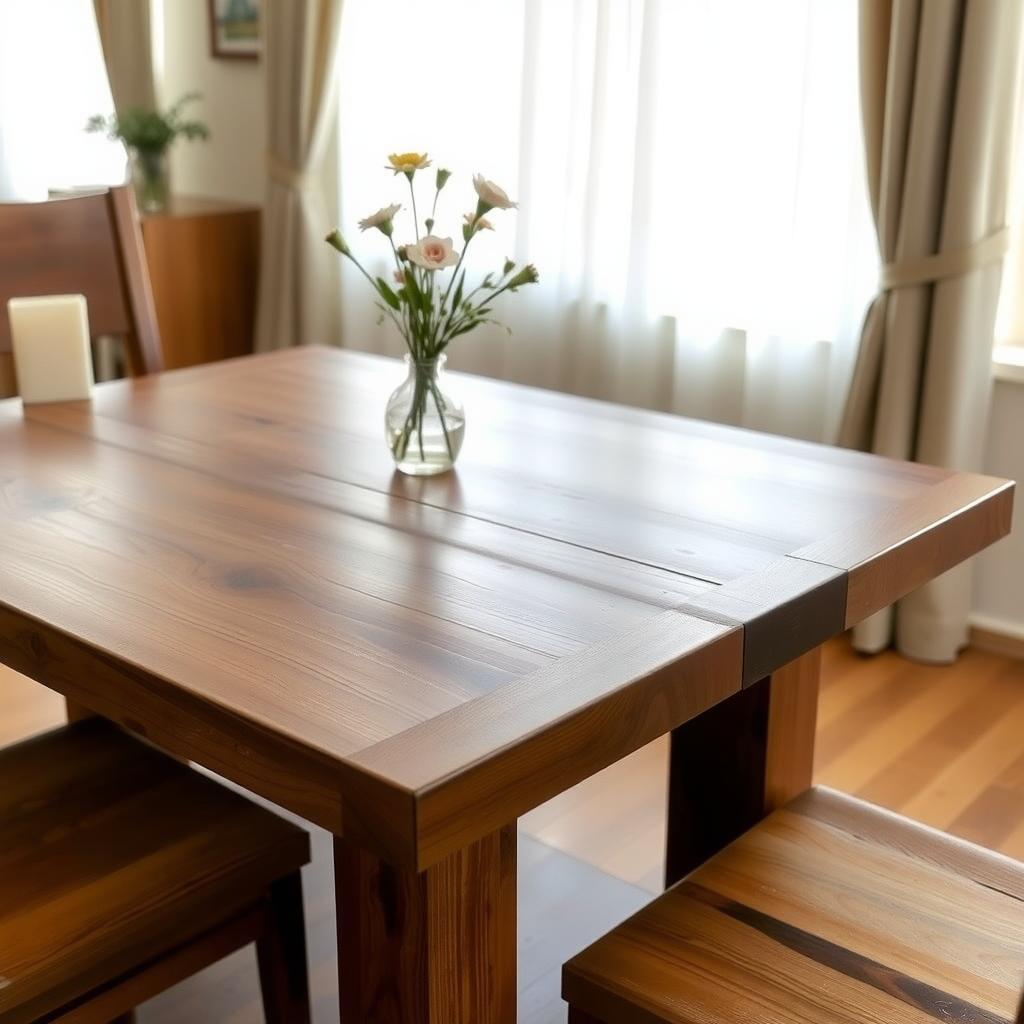
Protective Measures: - Use coasters and placemats: Prevent water rings and scratches on tables. - Avoid heat exposure: Hot dishes can leave white marks on finishes. - Felt pads: Attach them to chair legs to prevent floor scratches and wobbling.
I learned this lesson the hard way when a hot pizza box left a cloudy mark on my dining table. A quick fix? Apply a thin layer of mayonnaise, let it sit for an hour, and wipe it off—works for minor heat marks!
Polishing and Restoring Shine
Polishing enhances the look of wooden furniture while adding a protective layer. Use a high-quality furniture polish, like those recommended by Fine Woodworking, but apply sparingly—too much can attract dust. Spray polish onto a cloth, not directly onto the wood, and buff in circular motions.
For dull finishes, a light sanding with fine-grit sandpaper (400-grit) followed by a fresh coat of wax or oil can work wonders. I revived an old cedar chest this way, and it now glows like new. Always work in a well-ventilated area and follow product instructions.
Repairing Minor Scratches and Dents
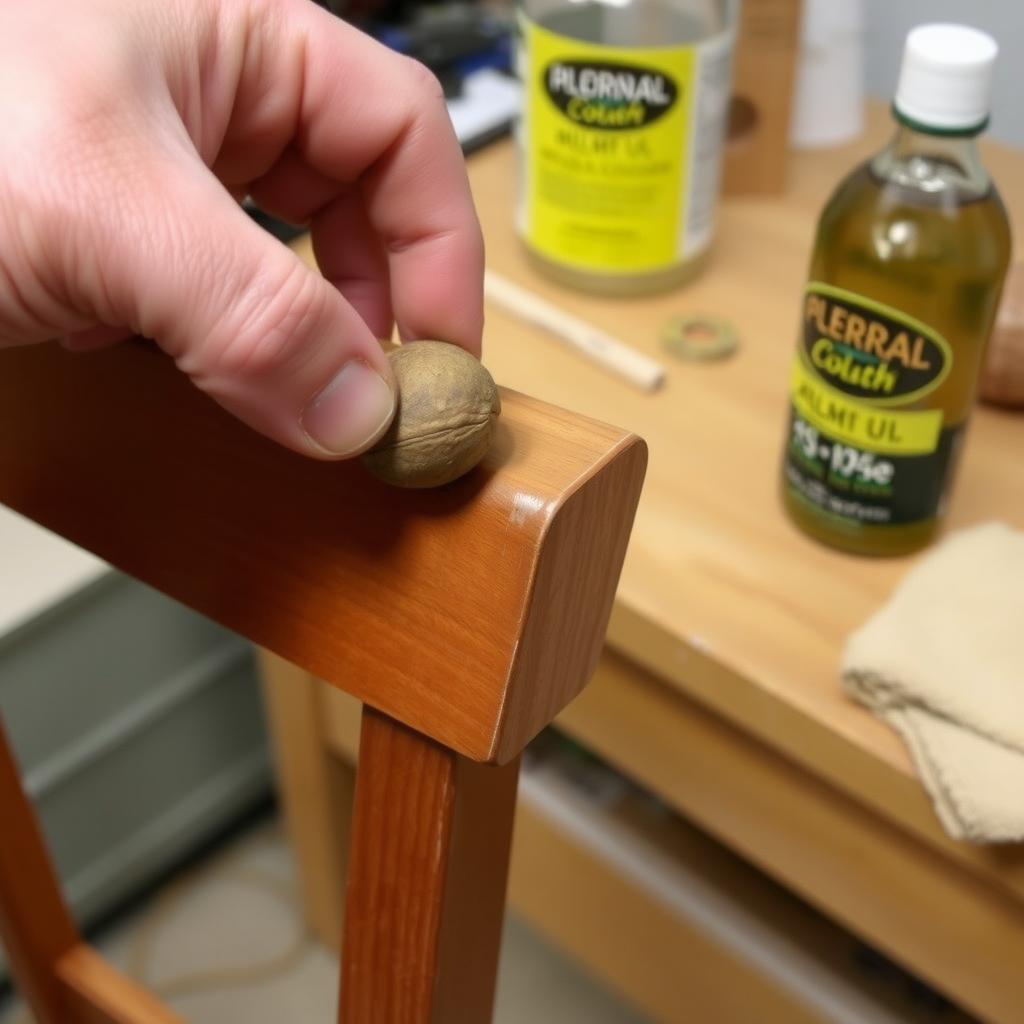
Scratches happen, especially on chairs used daily. For light scratches, rub a walnut (yes, the nut!) over the mark—the natural oils can blend it into the finish. Deeper scratches may need a touch-up pen matched to your wood’s color. For dents, try this: place a damp cloth over the dent, then gently iron over it. The steam can swell the wood back into shape.
For serious damage, consult a professional. The American Institute for Conservation offers resources to find qualified restorers.
Seasonal Maintenance Tips
Wood furniture needs extra attention during seasonal changes. In winter, dry air can cause finishes to crack, so keep furniture away from heaters. In summer, high humidity can swell wood, so ensure good ventilation. Inspect your pieces every few months for signs of wear, like peeling varnish or loose joints.
Seasonal Checklist: - Winter: Use a humidifier to prevent drying. - Summer: Check for mildew in humid climates. - Year-round: Tighten loose screws on chairs and tables.
I make it a habit to check my furniture every spring and fall—it’s like a health check-up for my favorite pieces!
Eco-Friendly Care Options
Sustainability matters in furniture care. Opt for natural cleaning solutions like vinegar or olive oil mixed with lemon juice for a gentle polish. Avoid aerosol sprays with harmful chemicals. The Environmental Protection Agency emphasizes reducing volatile organic compounds (VOCs) in household products, which benefits both your furniture and the planet.
Summary: Long-Lasting Wood Furniture
Caring for wooden furniture doesn’t have to be complicated. With regular cleaning, protection from environmental damage, and occasional polishing, your chairs and tables can stay beautiful for years. Follow this furniture care guide for wood finishing, and your pieces will remain timeless treasures in your home.