








Featured Post
Eco-Friendly Furniture Choices for Sustainable Living
Overview
Choosing furniture for your home is more than just picking what looks good. It’s about creating a space that reflects your values, like sustainability. Eco-friendly furniture choices for sustainable living help reduce environmental impact while keeping your home stylish and functional. This guide shares practical tips for selecting green furniture, maintaining it, and shopping smart, all while keeping your budget in check.
Why Choose Eco-Friendly Furniture?
Furniture production can harm the environment through deforestation, toxic chemicals, and high carbon emissions. Eco-friendly furniture minimizes these impacts by using sustainable materials, ethical manufacturing, and durable designs. By choosing green options, you’re supporting a healthier planet and creating a safer home for your family.
I’ve always loved cozy, inviting spaces, but learning about the environmental cost of fast furniture changed how I shop. It’s rewarding to know my choices can make a difference.
What Makes Furniture Eco-Friendly?
Eco-friendly furniture is made with sustainable materials and processes. Here’s what to look for:
- Sustainable Materials: Choose furniture made from reclaimed wood, bamboo, or FSC-certified timber. These materials reduce deforestation and promote responsible forestry.
- Non-Toxic Finishes: Look for water-based or natural finishes to avoid harmful chemicals like VOCs (volatile organic compounds).
- Ethical Production: Support brands that prioritize fair labor practices and low-carbon manufacturing.
- Durability: Invest in high-quality pieces that last longer, reducing the need for replacements.
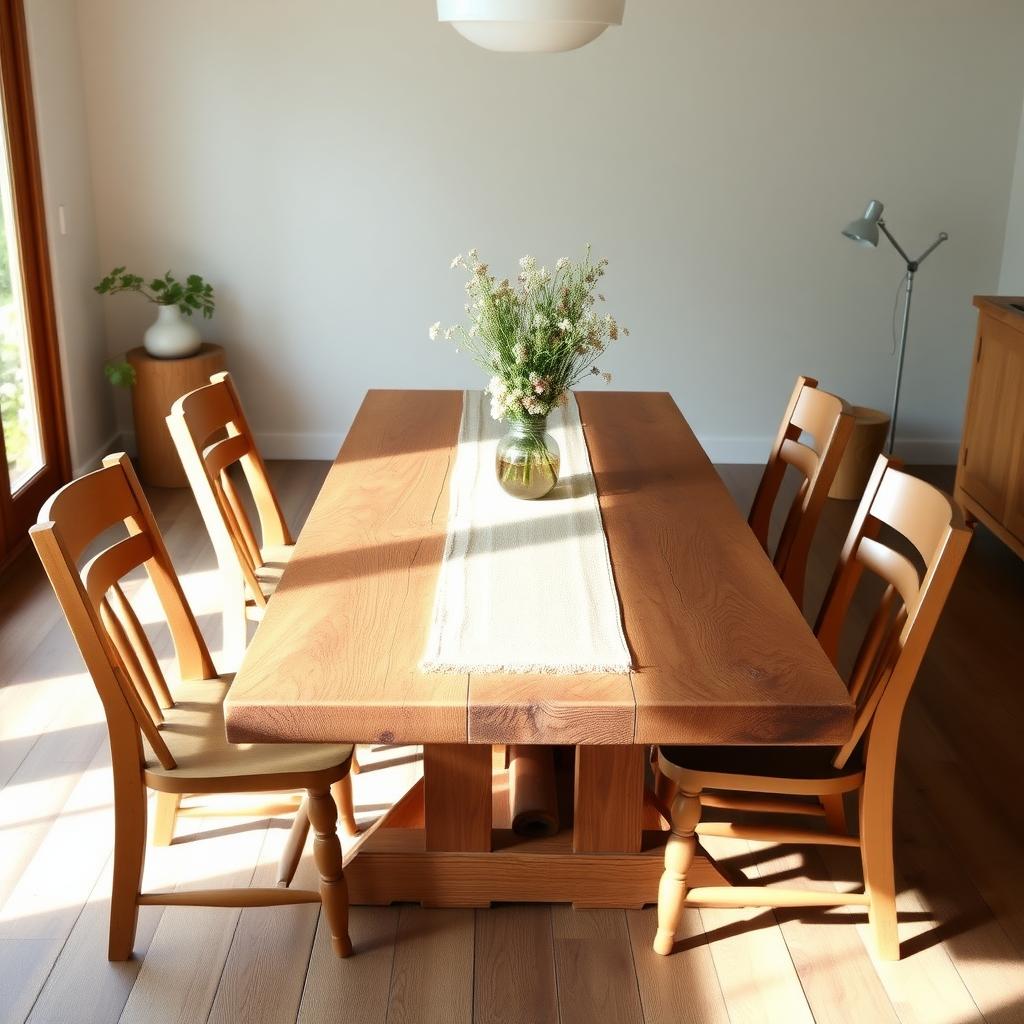
For example, a reclaimed wood dining table not only looks rustic and charming but also saves trees. According to the U.S. Environmental Protection Agency, sustainable furniture reduces landfill waste, with over 9 million tons of furniture discarded annually in the U.S. alone.
How to Choose the Right Furniture for Your Home
Selecting eco-friendly furniture means balancing style, sustainability, and practicality. Here’s a step-by-step guide to make the process easier:
- Assess Your Needs: Think about how you use your space. Do you need a sturdy sofa for a busy family room or a sleek desk for a home office?
- Measure Your Space: Ensure the furniture fits your room’s layout. A too-large couch can overwhelm a small living room.
- Check Certifications: Look for labels like FSC (Forest Stewardship Council) or Greenguard for non-toxic materials.
- Test for Comfort: If possible, try furniture in person to ensure it’s comfortable and functional.
- Match Your Style: Choose pieces that complement your aesthetic, whether it’s modern, rustic, or minimalist.
When I furnished my apartment, I spent hours measuring my space and researching brands. It paid off—my bamboo bookshelf looks great and aligns with my eco-conscious goals.
Budget-Friendly Furniture Shopping Tips
Eco-friendly furniture doesn’t have to break the bank. Here are some budget-friendly furniture shopping tips to help you save:
- Shop Secondhand: Thrift stores, estate sales, and online marketplaces like Craigslist or Facebook Marketplace often have quality pieces at a fraction of the cost.
- Look for Sales: Many eco-friendly brands offer discounts during holidays or clearance events.
- Invest in Multi-Use Pieces: A sofa bed or a storage ottoman maximizes functionality without needing extra furniture.
- DIY Upcycling: Refinish or repaint old furniture to give it a new life. A fresh coat of non-toxic paint can transform a dated piece.
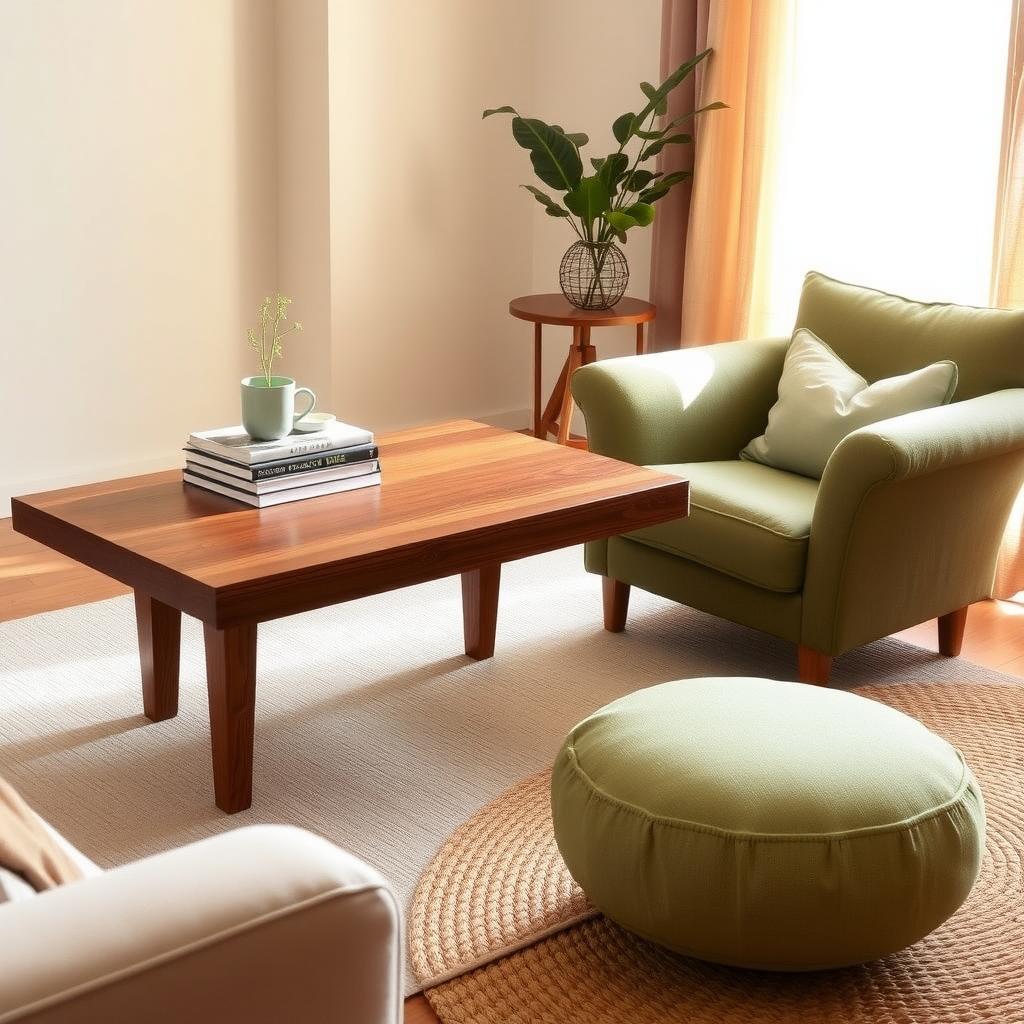
Last year, I found a solid oak coffee table at a local thrift store for $50. With a little sanding and a natural wax finish, it’s now the centerpiece of my living room. The World Resources Institute highlights that secondhand shopping reduces demand for new production, cutting emissions significantly.
Furniture Care and Maintenance Tips
Proper care extends the life of your furniture, making it a sustainable choice. Here are some furniture care and maintenance tips to keep your pieces looking great:
- Clean Regularly: Dust wood surfaces with a microfiber cloth to prevent buildup. For upholstery, vacuum weekly to remove dirt.
- Use Natural Cleaners: Mix water with a splash of vinegar for a non-toxic wood cleaner. Avoid harsh chemicals that can damage finishes.
- Protect from Damage: Use coasters to prevent water rings and avoid placing furniture in direct sunlight to prevent fading.
- Repair, Don’t Replace: Fix loose joints or scratches with eco-friendly wood glue or natural polish instead of buying new pieces.
I learned the hard way that skipping coasters can ruin a table’s finish. Now, I keep a stack of reusable bamboo coasters handy, and my furniture stays pristine.
Top Cleaning Hacks for Home Furniture
Keeping your furniture clean doesn’t require expensive products. Try these top cleaning hacks for home furniture:
- Baking Soda for Upholstery: Sprinkle baking soda on fabric sofas, let it sit for 15 minutes, then vacuum to remove odors.
- Olive Oil for Wood: Mix olive oil with lemon juice for a natural wood polish that restores shine.
- Lint Roller for Pet Hair: Use a lint roller to quickly remove pet hair from cushions.
- Microfiber for Glass: Clean glass tabletops with a damp microfiber cloth for a streak-free finish.
These hacks have saved me time and money. The olive oil polish works wonders on my dining table, giving it a warm glow without synthetic chemicals. The University of California’s Sustainable Practices recommends natural cleaners to reduce indoor air pollution.

Making Sustainable Choices Work for You
Eco-friendly furniture isn’t just about materials—it’s about a mindset. By choosing durable, ethical pieces and caring for them properly, you’re investing in your home and the planet. Start small: maybe a reclaimed side table or a thrifted chair. Over time, these choices add up to a more sustainable lifestyle.
When I started this journey, I was overwhelmed by options. But researching brands, checking certifications, and focusing on quality over quantity made it manageable. Now, my home feels personal, stylish, and aligned with my values.
Summary
Eco-friendly furniture choices for sustainable living are about making thoughtful decisions that benefit your home and the environment. From selecting sustainable materials to maintaining furniture with natural cleaners, small steps create big impact. Use budget-friendly shopping strategies and simple cleaning hacks to build a greener, more stylish home.