


Featured Post
Future-Proofing Your Office: Trends in Workplace Furniture
Overview: Redefining the Modern Workplace
The modern office is evolving rapidly. With hybrid work models, employee wellness, and sustainability at the forefront, Future-Proofing Your Office: Trends in Workplace Furniture is more than a design choice—it’s a strategic investment. This article dives into innovative solutions like ergonomic workstations and creative furniture designs that adapt to tomorrow’s needs.
Why Future-Proofing Your Office Matters
The workplace isn’t just a place to work anymore—it’s a hub for collaboration, creativity, and well-being. Companies are rethinking office layouts to support hybrid teams, where some employees work remotely and others come in part-time. Investing in adaptable, durable, and employee-focused furniture ensures your office stays relevant. According to a study from the University of California, ergonomic furniture can reduce workplace injuries by up to 30%, boosting productivity and morale. Read more about ergonomic benefits.
The Rise of Ergonomic Workstations
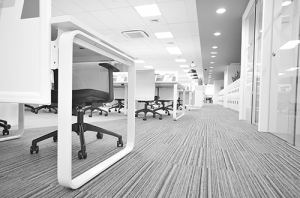
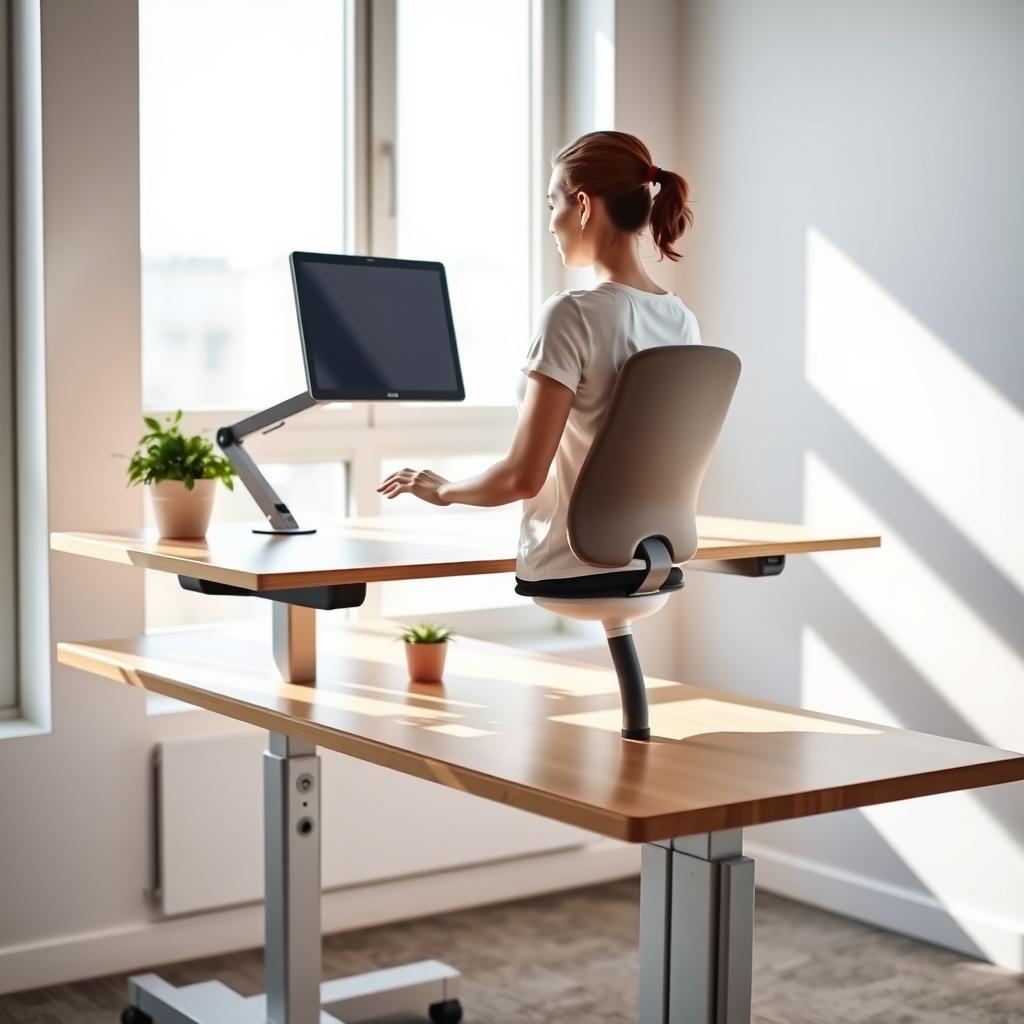
Office furniture for ergonomic workstations is leading the charge in modern office design. Adjustable desks, supportive chairs, and monitor arms are no longer luxuries—they’re essentials. I’ve seen colleagues struggle with back pain from long hours at poorly designed desks. Switching to an adjustable standing desk changed my workday, letting me alternate between sitting and standing effortlessly. Look for desks with smooth height adjustments and chairs with lumbar support to promote healthy posture.
Key Features of Ergonomic Furniture
Here’s what to prioritize when choosing office furniture for ergonomic workstations:
- Adjustability: Desks and chairs should adapt to different body types and preferences.
- Support: Look for chairs with contoured backs and adjustable armrests.
- Durability: High-quality materials ensure long-term use.
- Aesthetics: Sleek designs keep the office looking professional.
A report from the Occupational Safety and Health Administration (OSHA) highlights that ergonomic setups can lower absenteeism by improving employee comfort. Explore OSHA’s ergonomic guidelines.
Innovative Office Bed Solutions: A New Frontier
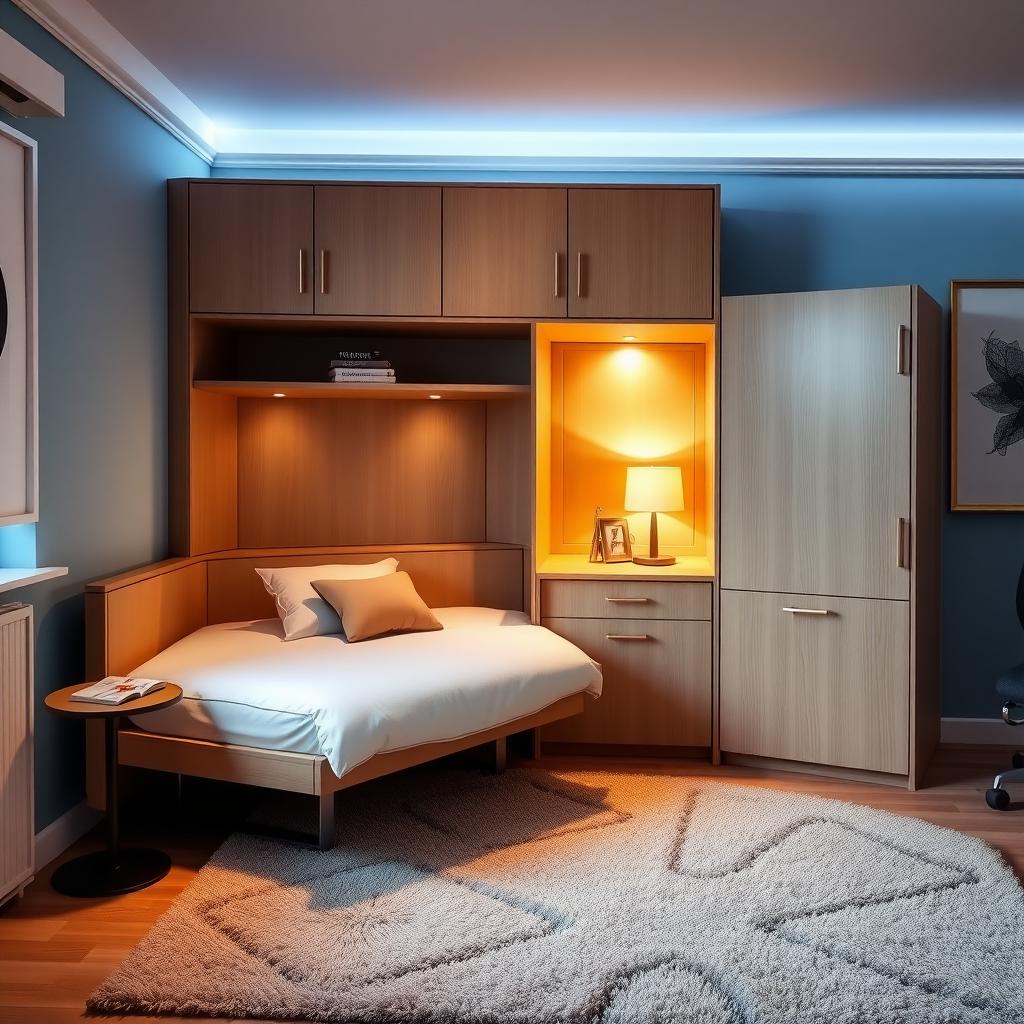
Yes, you read that right—innovative office bed solutions are gaining traction. With employees spending longer hours in the office or working unconventional schedules, companies are experimenting with rest areas. Think nap pods or foldable beds tucked into quiet corners. I visited a tech startup with a ‘recharge room’ featuring a cozy bed for quick naps. It’s not about sleeping on the job but fostering a culture where short breaks boost focus. These solutions are especially popular in creative industries where brainstorming sessions run late.
How Office Beds Enhance Productivity
Innovative office bed solutions aren’t just trendy—they’re backed by science. A study from the National Sleep Foundation found that 20-minute naps can improve alertness by 54%. By providing a dedicated rest space, companies show they value employee well-being. When choosing office beds, opt for space-saving designs like murphy beds or modular furniture that blends seamlessly with the office aesthetic. Learn more about workplace naps.
Sustainable Furniture for a Greener Office
Sustainability is a cornerstone of future-proofing. Eco-friendly furniture made from recycled materials or sustainably sourced wood is in high demand. I recently toured an office that used desks made from reclaimed barn wood—beautiful and environmentally responsible. Look for certifications like FSC (Forest Stewardship Council) to ensure ethical sourcing. Sustainable furniture not only reduces your carbon footprint but also appeals to eco-conscious employees and clients.
Modular and Flexible Furniture Designs
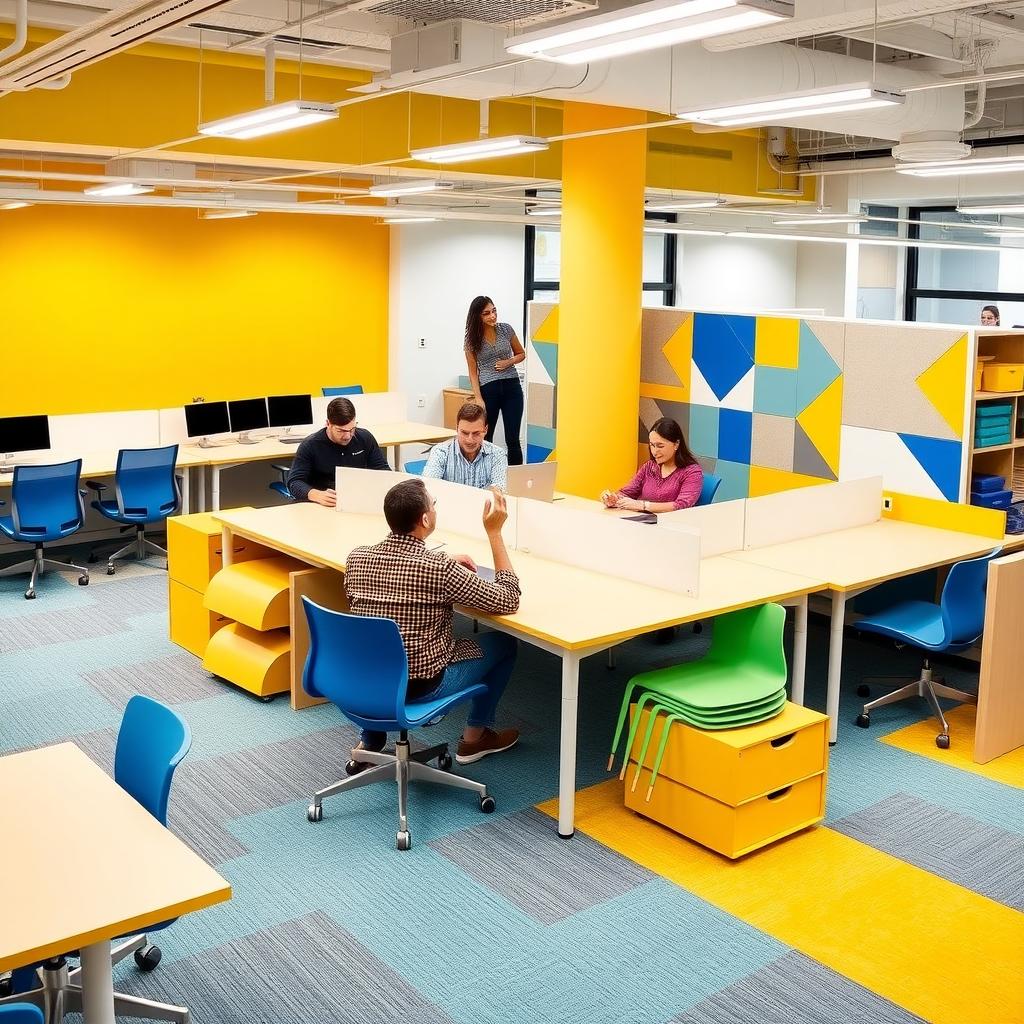
The future of office furniture lies in flexibility. Modular desks, movable partitions, and stackable chairs allow offices to reconfigure spaces quickly. I’ve seen teams transform a meeting room into a collaborative workspace in minutes using modular setups. This adaptability is key for hybrid offices where space needs change daily. Choose furniture with wheels or lightweight materials for easy rearrangement.
Technology Integration in Furniture
Smart furniture is another trend reshaping offices. Desks with built-in charging ports, cable management systems, and even IoT-enabled features are becoming common. I once used a desk that adjusted its height automatically based on my posture—talk about futuristic! These tech-infused pieces streamline workflows and keep the office clutter-free. Look for furniture that supports wireless charging or integrates with smart office systems.
Balancing Aesthetics and Functionality
A future-proof office doesn’t sacrifice style for function. Sleek, minimalist designs paired with practical features create a welcoming environment. I’ve noticed that employees feel more motivated in spaces that look good and work well. Neutral tones with pops of color, like a vibrant chair or artwork, strike the right balance. Avoid overly trendy designs that may feel dated in a few years.
Budget Considerations for Future-Proofing
Future-proofing doesn’t mean breaking the bank. Start with high-impact pieces like ergonomic chairs or adjustable desks, then gradually add modular or sustainable items. Leasing furniture is another cost-effective option, allowing you to update pieces as trends evolve. A report from the International Facility Management Association suggests that investing in quality furniture upfront can save 15% on long-term maintenance costs. Check IFMA’s workplace design insights.
Summary: Building an Office for Tomorrow
Future-proofing your office means embracing furniture that’s ergonomic, sustainable, and adaptable. From office furniture for ergonomic workstations to innovative office bed solutions, the right choices enhance productivity and employee satisfaction. By prioritizing flexibility, technology, and eco-friendly designs, you create a workspace that’s ready for whatever the future brings.