



Featured Post
How to Choose the Perfect Nightstand for Your Bedroom
Overview: Finding the Perfect Nightstand
Your nightstand is more than just a piece of furniture; it’s a functional and aesthetic cornerstone of your bedroom. Choosing the right one can elevate your space, keep essentials within reach, and reflect your personal style. This guide on How to Choose the Perfect Nightstand covers size, style, storage, and more, with practical tips to make your decision easier.
Why Your Nightstand Matters
A nightstand is one of the most used pieces of furniture in your bedroom. It holds your alarm clock, phone, books, and maybe a glass of water for those late-night sips. But it’s not just about utility—it’s about creating a space that feels like you. I remember when I moved into my first apartment; my nightstand was a wobbly thrift store find that barely held a lamp. It frustrated me every day until I upgraded to one that fit my needs and style. The difference was night and day (pun intended).
The right nightstand balances practicality with personality. It should complement your bed, fit your room’s layout, and keep clutter at bay. Let’s break down the key factors to consider.
1. Size and Proportion
The size of your nightstand is critical. Too small, and it won’t hold your essentials. Too large, and it can overwhelm your space. A good rule of thumb is to choose a nightstand that’s roughly the same height as your mattress top or slightly lower—about 24-28 inches for most standard beds. This makes it easy to reach items without straining.
Measure your bedroom’s available space. If you have a small room, a narrow nightstand (18-20 inches wide) works best. For larger spaces, you can go wider (up to 30 inches). Also, consider the nightstand’s depth—around 16-20 inches is typical to avoid jutting out awkwardly.
Pro Tip: If you’re tight on space, a wall-mounted shelf can double as a nightstand, saving floor space while looking sleek.
2. Style and Aesthetic
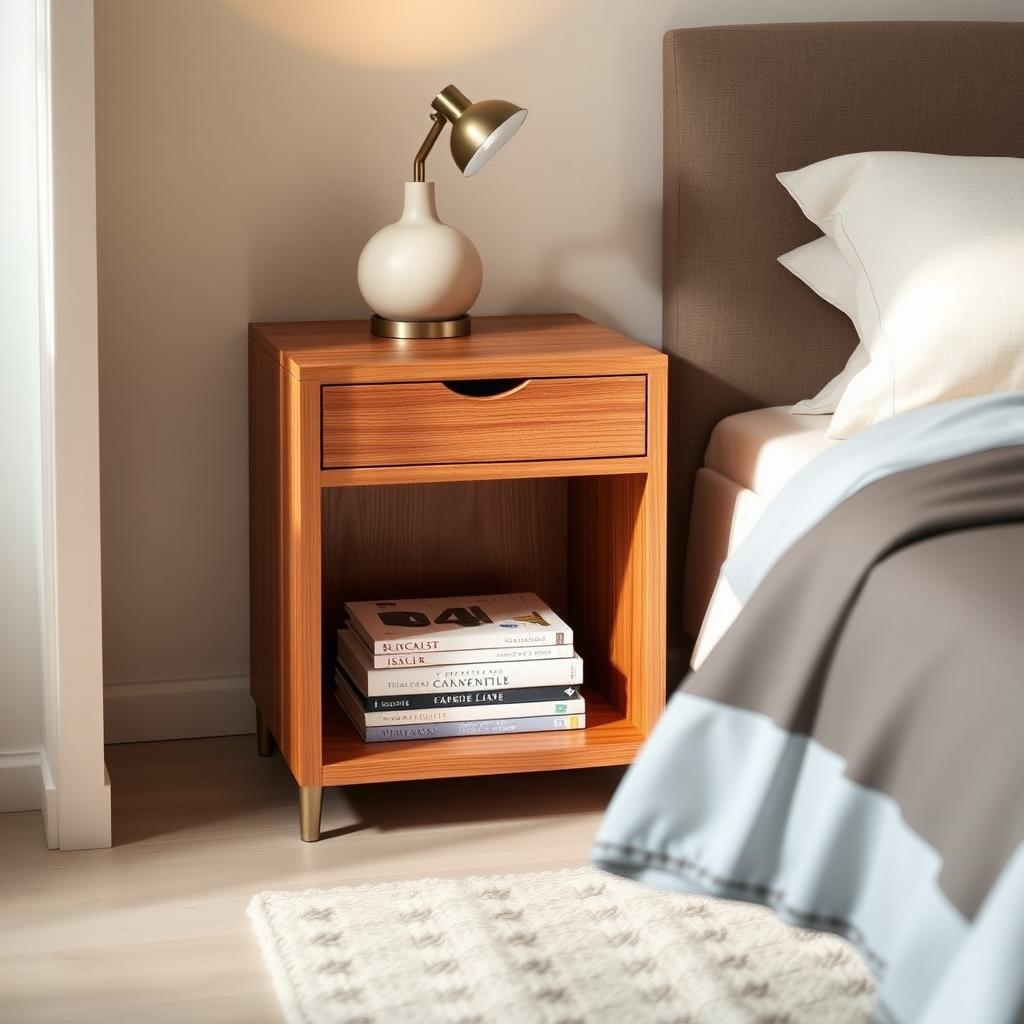
Your nightstand should match or complement your bedroom’s vibe. Are you into mid-century modern with clean lines and tapered legs? Or maybe rustic charm with distressed wood? Whatever your style, the nightstand should tie into your room’s overall design.
For example, in my current bedroom, I went for a Scandinavian-inspired nightstand with light wood and simple hardware. It pairs perfectly with my white linens and adds warmth without overpowering the space. If you’re unsure about your style, browse design inspiration on sites like Houzz for ideas.
Common Nightstand Styles: - Modern: Sleek, minimal, often with metal or glass accents. - Traditional: Ornate details, rich wood tones. - Rustic: Reclaimed wood, natural textures. - Industrial: Metal frames, raw materials.
Choose a style that speaks to you, but ensure it doesn’t clash with your bed or other furniture.
3. Functionality and Storage
Think about what you need your nightstand to do. Do you just need a surface for a lamp and phone? Or do you want drawers for stashing chargers, books, or personal items? Storage is a game-changer for keeping your bedroom tidy.
Here’s a quick breakdown of storage options:
| Type | Best For | Pros | Cons |
|---|---|---|---|
| Open Shelf | Minimalists | Easy access, airy look | Dust collects, less hidden storage |
| Drawers | Organizers | Hides clutter, secure storage | Can feel bulky |
| Mixed (Shelf + Drawer) | Versatility | Balances open and hidden storage | May cost more |
I prefer a nightstand with at least one drawer to keep small items like earplugs and hand cream out of sight. According to a study by the National Sleep Foundation, a clutter-free bedroom can improve sleep quality, so prioritize nightstand organization tips like using small trays or dividers inside drawers.
4. Material and Durability
Nightstands come in various materials—wood, metal, glass, or a combination. Wood is the most popular for its durability and timeless appeal. Solid wood like oak or walnut is pricier but lasts longer, while engineered wood (like MDF) is budget-friendly but less sturdy.
Metal nightstands suit industrial or modern rooms but can feel cold. Glass adds a sleek, contemporary touch but shows fingerprints and requires frequent cleaning. Consider your lifestyle—if you have kids or pets, go for something sturdy and scratch-resistant.
When I shopped for my last nightstand, I chose solid pine for its affordability and durability. It’s held up through spills and bumps, proving that quality doesn’t always mean breaking the bank.
5. Easy DIY Nightstand Upgrades
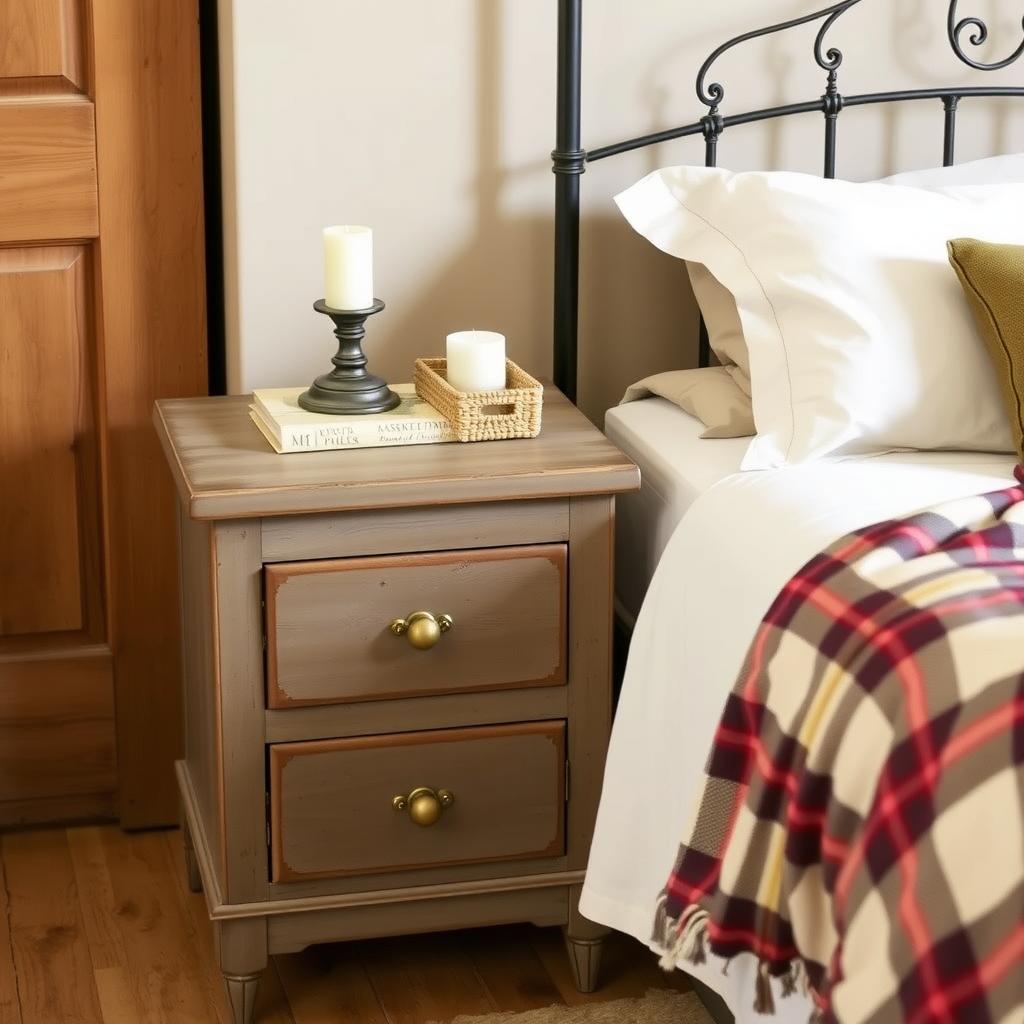
If you’re on a budget or love a project, consider upgrading an old nightstand. Easy DIY Nightstand Upgrades can transform a dated piece into something fresh. Here are a few ideas I’ve tried or seen work wonders:
- Paint or Stain: A fresh coat of paint (think bold navy or soft sage) or a new stain can revive an old nightstand. Sand it down first for a smooth finish.
- New Hardware: Swap out knobs for leather pulls or sleek brass handles for an instant style boost.
- Add Legs: Elevate a boxy nightstand by attaching hairpin legs for a modern look.
- Wallpaper Accents: Line the inside of drawers with patterned wallpaper for a pop of personality.
I once painted a thrift store nightstand matte black and added gold knobs—it looked custom-made for under $50. Check out HGTV’s DIY furniture tips for more inspiration.
6. Nightstand Organization Tips
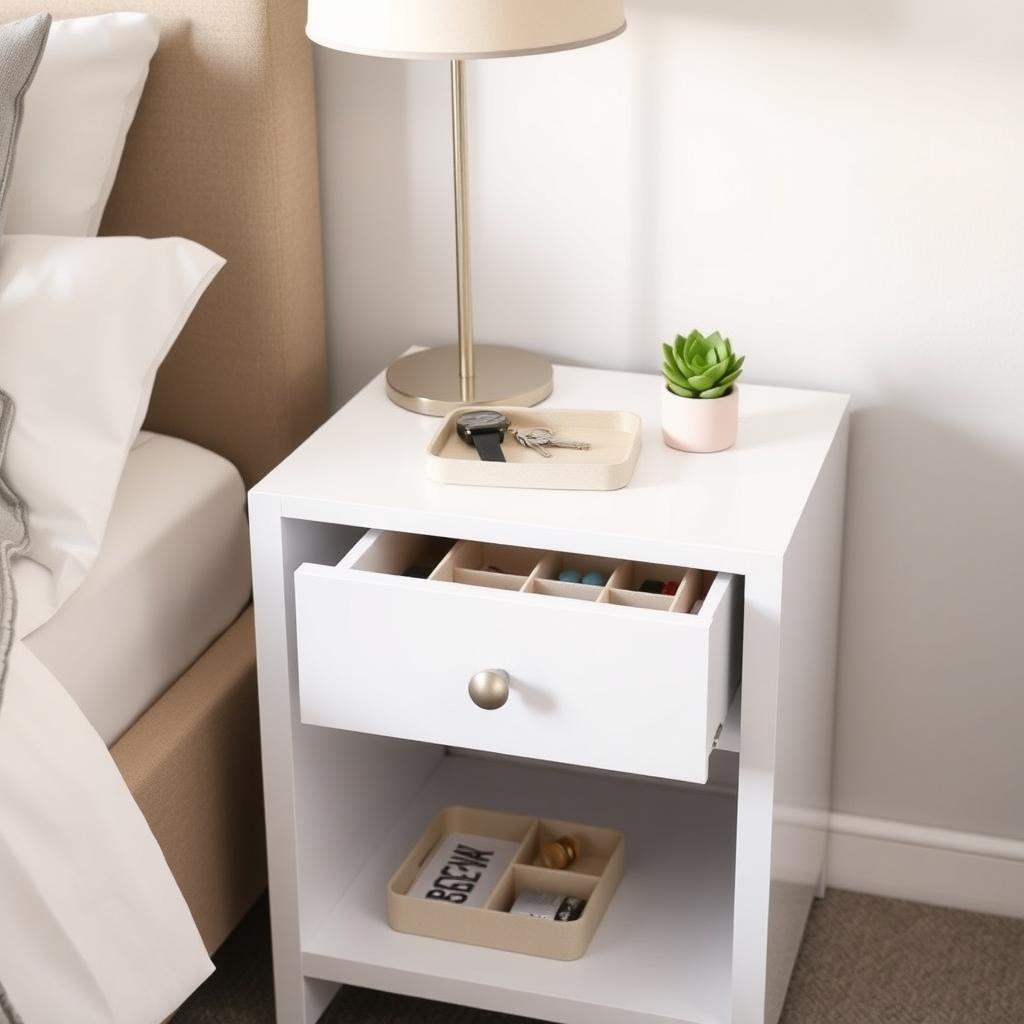
A cluttered nightstand can make your bedroom feel chaotic. Here are some nightstand organization tips to keep things tidy:
- Use Trays or Dishes: A small tray for jewelry or keys keeps small items contained.
- Cable Management: Use adhesive clips to tame charger cords.
- Drawer Dividers: Organize drawers with dividers for glasses, chargers, or notebooks.
- Limit Surface Items: Stick to essentials like a lamp, book, and one decorative item to avoid clutter.
I keep a small wooden box on my nightstand for loose items like lip balm and earbuds. It’s simple but keeps everything in check.
7. Budget Considerations
Nightstands range from $50 to $500+, depending on material and brand. If you’re on a budget, check thrift stores, IKEA, or online marketplaces like Wayfair. High-end options from retailers like West Elm offer durability but come at a premium. Decide what’s worth splurging on—storage, material, or design.
When I needed a second nightstand, I found a gem at a local flea market for $30. With a quick sand and paint, it matched my pricier one perfectly.
Summary: Making the Right Choice
Choosing the perfect nightstand comes down to balancing size, style, storage, and budget. Measure your space, match your bedroom’s aesthetic, and prioritize functionality with smart storage. Incorporate easy DIY nightstand upgrades or nightstand organization tips to personalize your space. With a little thought, your nightstand can be both practical and beautiful, enhancing your bedroom for years to come.