







Featured Post
Memory Foam vs. Innerspring: Which is Better for Your Sleep?
Overview
Choosing the right mattress for your sofa bed or futon can feel overwhelming, especially when deciding between Memory Foam vs. Innerspring: Which is Better? Both options have unique benefits and drawbacks, impacting comfort, durability, and versatility. This article dives deep into their differences, helping you pick the perfect mattress for your needs, whether for daily use or occasional guests.
Understanding Memory Foam and Innerspring Mattresses
Mattresses for sofa beds and futons come in various types, but memory foam and innerspring dominate the market. Memory foam, originally developed by NASA, molds to your body’s shape, offering personalized comfort. Innerspring mattresses, with their coil-based structure, provide a traditional, bouncy feel. Each has distinct characteristics that suit different sleep preferences and lifestyles.
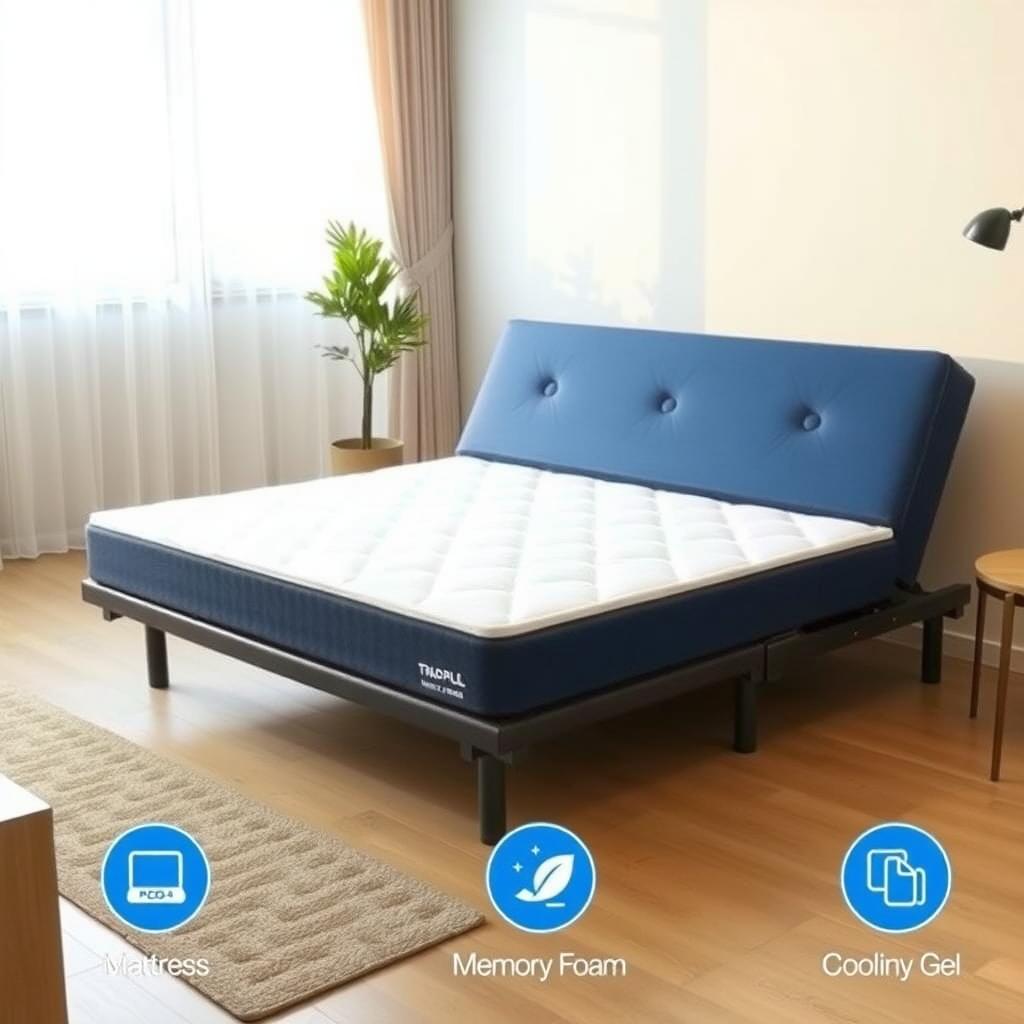
Memory foam is a viscoelastic material that softens with body heat, cradling your body for pressure relief. It’s popular for sofa beds because it’s flexible and can fold easily without losing shape. Innerspring mattresses, on the other hand, use metal coils for support, often paired with foam or cotton layers for added comfort. They’re less flexible but offer a firm, supportive surface.
Comfort and Support: Which Feels Better?
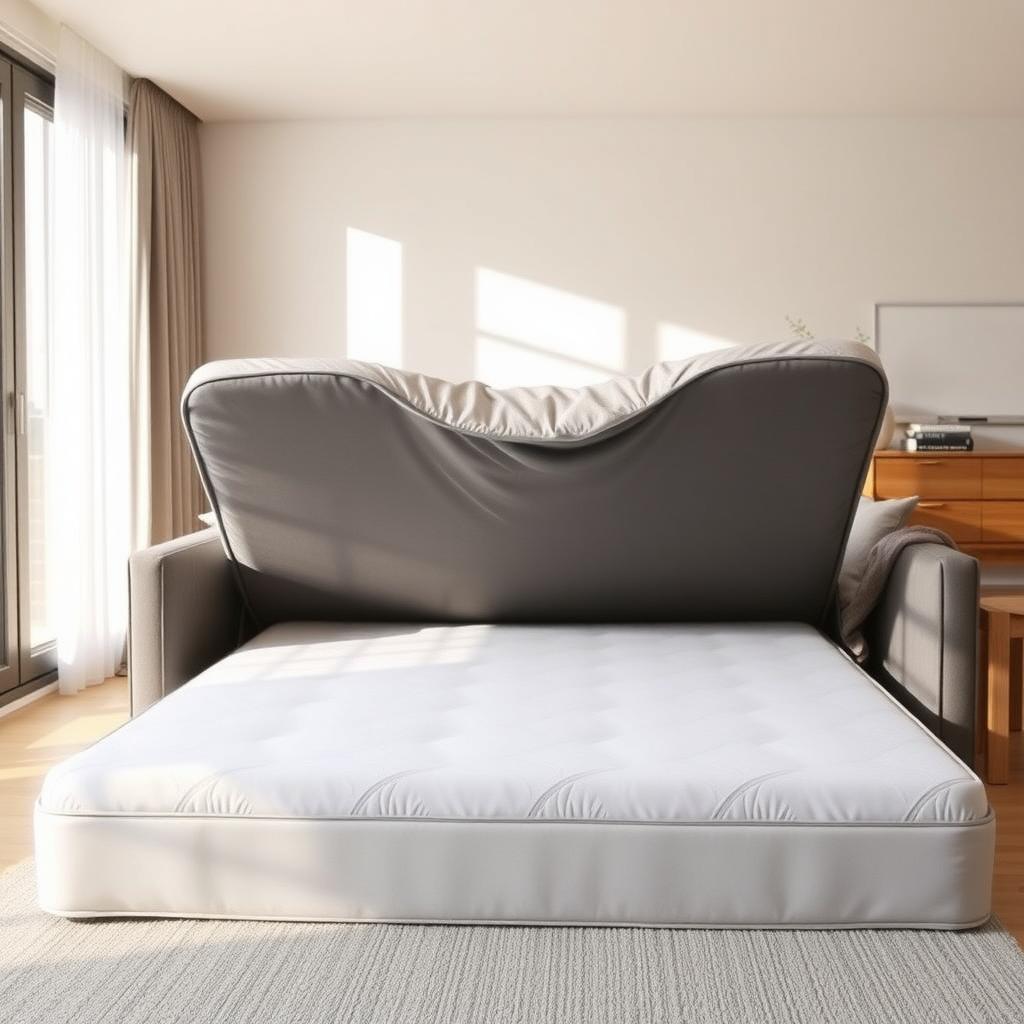
Comfort is subjective, but let’s break it down. Memory foam excels at contouring to your body, reducing pressure points on your hips and shoulders. This makes it ideal for side sleepers or those with joint pain. I’ve slept on a memory foam sofa bed during a weekend at a friend’s apartment, and it felt like sinking into a cloud—supportive yet soft.
Innerspring mattresses offer a firmer, more responsive feel. If you prefer a traditional bed with some bounce, innersprings might be your pick. They’re great for back and stomach sleepers who need consistent support. However, the coils can sometimes create uneven pressure, especially on thinner sofa bed mattresses, which I’ve noticed when crashing on a relative’s pull-out couch.
For Best Mattresses for Sofa Beds in 2023, memory foam often wins for its ability to adapt to various sleep positions. Innersprings, while supportive, may feel less comfortable if the mattress is thin, as the coils can press through. A study from the National Sleep Foundation highlights that memory foam reduces motion transfer, making it better for couples sharing a sofa bed.
Durability and Longevity
Durability matters, especially for convertible furniture like sofa beds or futons. Memory foam mattresses typically last 8-12 years with proper care, retaining their shape well. High-quality foam resists sagging, though cheaper versions may compress over time. Innerspring mattresses last about 5-7 years, as coils can wear out or lose bounce, particularly with frequent folding.
I’ve seen this firsthand with a friend’s innerspring sofa bed that started creaking after a couple of years of regular use. Meanwhile, my memory foam futon mattress, used occasionally for guests, still feels as good as new after five years. For daily use, like converting futons into beds, a high-density memory foam mattress is often the better investment.
Space-Saving and Versatility: Futon vs. Sofa Bed
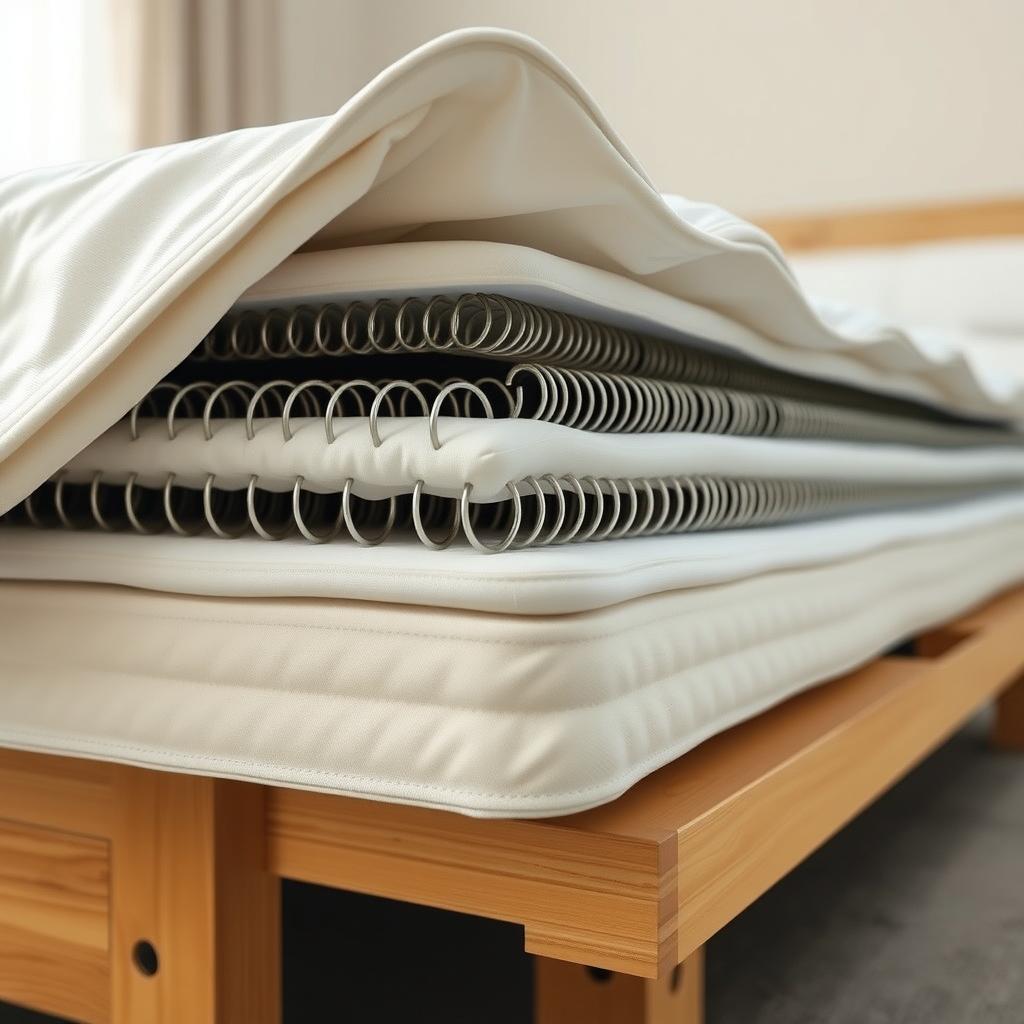
When exploring Futon vs. Sofa Bed: What’s the Difference?, it’s all about functionality. Futons are minimalist, with a foldable frame and mattress that doubles as a seat. They’re lightweight and perfect for small spaces like studio apartments. Sofa beds, however, have a hidden mattress that pulls out, offering a more traditional couch look but requiring more space to unfold.
Futons are easier to convert—just fold the frame flat. Sofa beds often involve a pull-out mechanism, which can be heavier and trickier. For converting futons into beds, memory foam is a top choice because it’s flexible and molds to the frame without damage. Innerspring futon mattresses, while supportive, are less flexible and may wear out faster with daily conversions.
A 2022 report from the Better Sleep Council notes that futons are ideal for occasional use, while sofa beds suit frequent guest accommodations due to their thicker mattresses. If you’re tight on space, a futon with a memory foam mattress offers the best of both worlds—versatility and comfort.
Temperature Regulation and Breathability
Temperature can make or break your sleep. Memory foam tends to retain heat, which can be a downside for hot sleepers. Newer models with gel or open-cell foam help, but they’re pricier. Innerspring mattresses, with their open coil structure, allow better airflow, keeping you cooler. I’ve noticed this difference when sleeping on an innerspring sofa bed in summer—much less sweaty than memory foam.
For hot climates or if you run warm, an innerspring mattress might be better. If you prefer memory foam, look for cooling features like gel infusions. A study from Sleep Medicine Reviews confirms that breathable materials like cotton or innersprings improve sleep quality for hot sleepers.
Cost and Value
Budget plays a big role in choosing a mattress. Memory foam sofa bed mattresses range from $200 to $800, depending on quality and features like cooling gel. Innerspring mattresses are generally cheaper, starting at $150, but high-end models with pocketed coils can cost as much as memory foam.
Futons are typically more affordable than sofa beds, making them a go-to for budget-conscious buyers. For How to Choose the Perfect Futon for Your Space, prioritize mattress quality over frame aesthetics. A durable memory foam mattress might cost more upfront but saves money long-term due to its longevity.
Maintenance and Care
Both mattress types need care to last. Memory foam requires regular rotation to prevent indentations, and a mattress protector helps with spills. Avoid wet cleaning, as moisture can lead to mold. Innerspring mattresses benefit from vacuuming and spot cleaning with mild detergent. A removable cover, like those on some futon mattresses, makes cleaning easier.
I learned this the hard way when a guest spilled coffee on my futon. A washable cover saved the day, but it’s not standard on all models. Check manufacturer guidelines for care tips to extend your mattress’s life.
Choosing the Right Mattress for Your Needs
So, Memory Foam vs. Innerspring: Which is Better? It depends on your priorities:
| Feature | Memory Foam | Innerspring |
|---|---|---|
| Comfort | Contours to body, great for side sleepers | Firm, bouncy, suits back/stomach sleepers |
| Durability | 8-12 years | 5-7 years |
| Flexibility | High, ideal for futons | Moderate, better for sofa beds |
| Breathability | Can retain heat | Better airflow |
| Cost | $200-$800 | $150-$800 |
If you value comfort and flexibility for converting futons into beds, memory foam is likely your best bet. For occasional use or if you prefer a cooler, firmer sleep, innersprings work well. Test both in-store if possible, and consider your sleep position, space, and budget.
Summary
Deciding between memory foam and innerspring for your sofa bed or futon comes down to lifestyle and preferences. Memory foam offers superior comfort and flexibility, ideal for frequent conversions and small spaces. Innerspring mattresses provide firmness and breathability, better for occasional use or hot sleepers. Weigh your needs, test options, and invest in quality for better sleep.