



Featured Post
How to Style Your Patio for Year-Round Use
Overview
Your patio can be more than a summer hangout spot. With thoughtful design, it can become a year-round retreat for relaxation, entertaining, or even working from home. This guide shares practical, actionable tips on How to Style Your Patio for Year-Round Use, focusing on multifunctional furniture, weather-resistant materials, and seasonal touches to keep your outdoor space inviting in any weather.
Why a Year-Round Patio Matters
A patio that works in every season maximizes your home’s living space. Instead of letting it sit unused during fall or winter, you can create a cozy, functional area that adapts to changing weather. I’ve spent years experimenting with outdoor setups, from small apartment balconies to larger suburban patios, and I’ve learned that a few smart choices can make your patio a true extension of your home. The key? Planning for versatility and durability.
Choose Multifunctional Patio Furniture Pieces
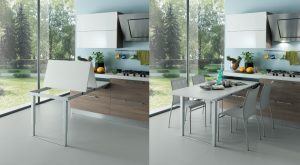
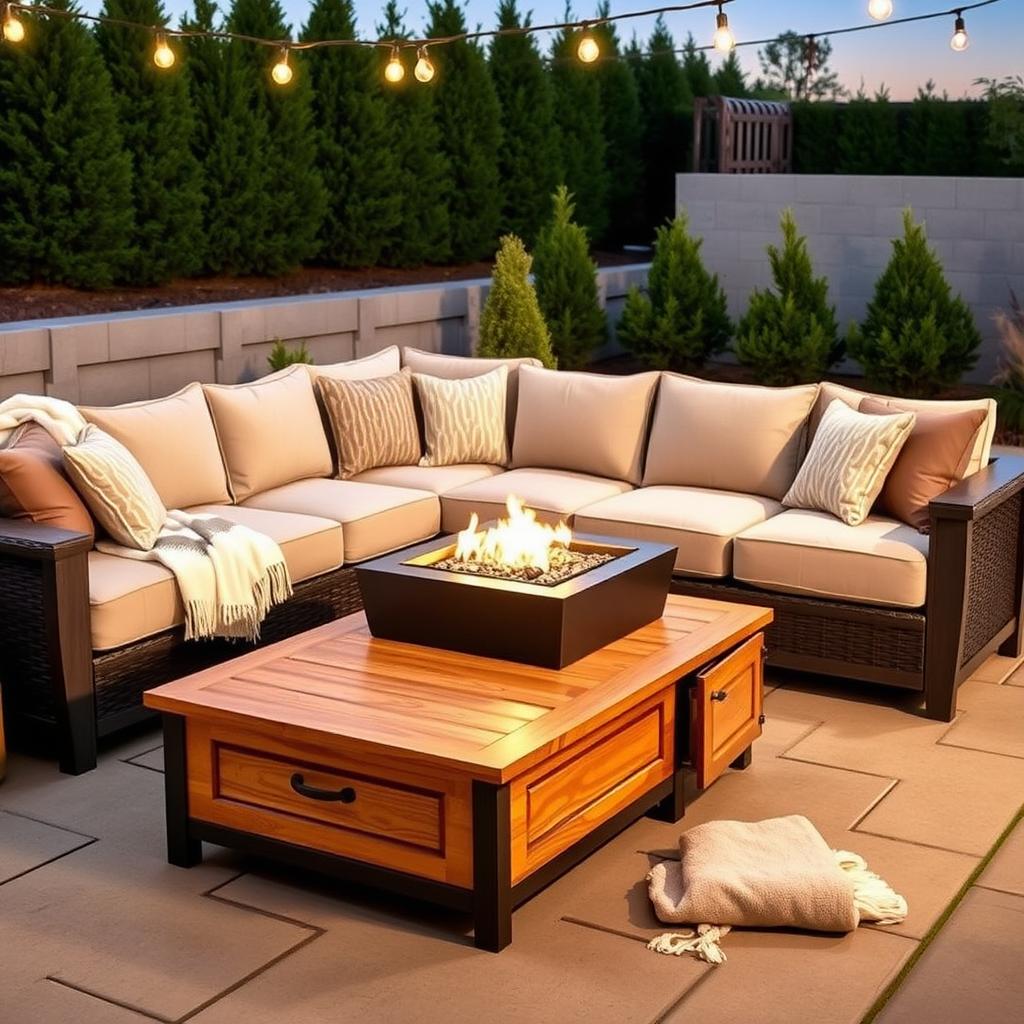
The heart of any patio is its furniture. Multifunctional patio furniture pieces are a game-changer for year-round use. Look for items that serve multiple purposes, like ottomans that double as storage or tables that extend for larger gatherings. When I redesigned my patio last year, I invested in a sectional sofa with built-in storage for cushions and throws—perfect for quick weather changes.
Here’s what to consider when selecting patio furniture: - Modular Designs: Sofas or chairs that can be rearranged for different layouts. - Storage Features: Benches or tables with compartments for pillows or tools. - Convertible Pieces: Daybeds that become loungers or tables that adjust in height.
A study from the University of California, Berkeley on outdoor living spaces suggests that versatile furniture encourages more frequent use of patios, even in colder months. Opt for pieces that are easy to move or reconfigure to suit your needs.
Prioritize Weather-Resistant Materials
To keep your patio functional year-round, choose furniture and accessories built to withstand the elements. I learned this the hard way after a cheap wooden table warped during a rainy season. Now, I stick to materials like:
| Material | Benefits | Best For |
|---|---|---|
| Teak | Naturally weather-resistant, durable | Tables, chairs |
| Aluminum | Lightweight, rust-proof | Frames, loungers |
| All-Weather Wicker | UV-resistant, low maintenance | Sofas, sectionals |
| Sunbrella Fabric | Fade- and water-resistant | Cushions, umbrellas |
According to the U.S. Department of Agriculture’s Forest Service, teak and cedar are among the most durable woods for outdoor use due to their natural oils. Pair these with weatherproof cushions to ensure your furniture stays vibrant and functional.
Add Seasonal Accessories for Comfort
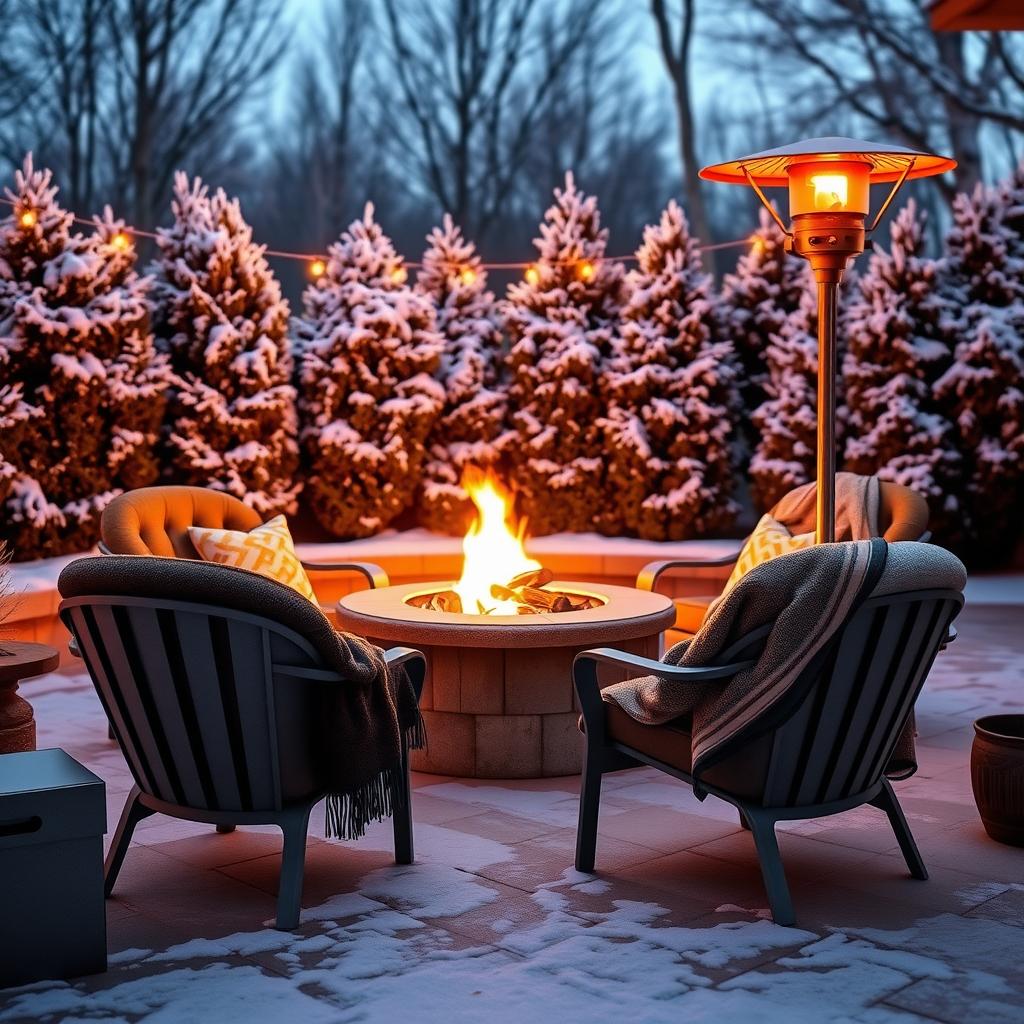
Accessories make your patio feel inviting no matter the season. In winter, I pile on thick blankets and outdoor heaters, while summer calls for lightweight throws and cooling fans. Here’s how to adapt your patio by season: - Spring: Add colorful cushions and potted plants for a fresh look. - Summer: Use shade solutions like pergolas or umbrellas to stay cool. - Fall: Incorporate warm-toned rugs and lanterns for cozy vibes. - Winter: Install a fire pit or patio heater for warmth.
I love using a portable fire pit—it’s a focal point for chilly evenings and encourages guests to linger. The National Fire Protection Association recommends keeping fire pits at least 10 feet from structures for safety.
Create Zones for Versatility
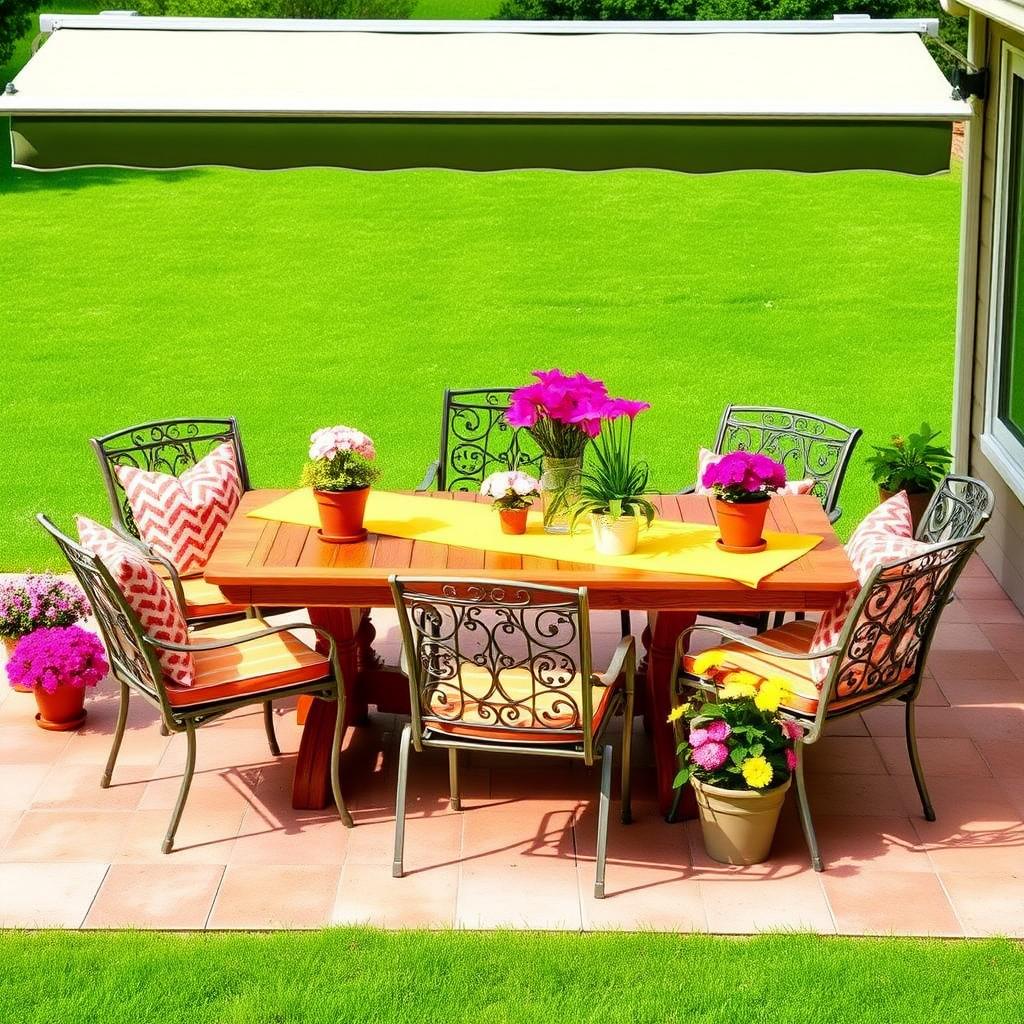
Dividing your patio into zones makes it more functional. I’ve set up my patio with a dining area, a lounge corner, and a small reading nook. This setup works for everything from family dinners to quiet mornings with coffee. To create zones: - Use rugs to define spaces. - Arrange furniture to create natural pathways. - Add privacy screens or planters for separation.
A friend of mine used a trellis with climbing vines to separate her dining area from a cozy fire pit lounge, and it transformed her patio into a multi-use space. Zones make your patio feel larger and more purposeful.
Incorporate Heating and Cooling Solutions
Temperature control is critical for year-round use. In colder months, patio heaters or fire pits keep things cozy. I use a propane heater for quick warmth during winter game nights. For summer, a ceiling fan or portable misting system can make a big difference. The U.S. Department of Energy notes that outdoor ceiling fans can reduce perceived temperatures by up to 8°F, making them a cost-effective cooling option.
Protect Your Patio with Covers and Storage
Weather can be tough on patio furniture, so invest in protective covers or storage solutions. I use waterproof covers for my patio furniture during heavy rain and store cushions in a deck box when not in use. Look for UV-resistant covers to prevent fading in summer. Regularly clean furniture to extend its life—simple soap and water work for most materials.
Lighting for Ambiance and Functionality
Good lighting transforms a patio at night. I mix string lights, lanterns, and solar-powered path lights to create a warm, inviting glow. For year-round use, choose weatherproof lighting options. Solar lights are eco-friendly and low-maintenance, while LED string lights are durable and energy-efficient. Place lights strategically to highlight seating areas or pathways.
Summary
Styling your patio for year-round use is about blending function with comfort. By choosing multifunctional patio furniture pieces, weather-resistant materials, and seasonal accessories, you can create a space that’s ready for any weather. Add heating, cooling, and smart lighting to make your patio a true extension of your home. With a little planning, your patio can be a place to enjoy all year long.