






Featured Post
Guide to Maintaining Outdoor Furniture for Longevity
Overview
Outdoor furniture transforms your patio into a cozy retreat, but keeping it in top shape takes effort. This Guide to Maintaining Outdoor Furniture for Longevity shares practical steps to protect your investment. From cleaning to storage, learn how to extend the life of your unique patio furniture pieces.
Why Maintenance Matters
Outdoor furniture faces sun, rain, wind, and dirt. Without care, even the sturdiest pieces fade, crack, or rust. I’ve seen beautiful teak tables lose their glow after a single neglected season. Regular maintenance not only preserves appearance but also saves you from costly replacements. By following this guide, your patio furniture will stay functional and inviting for years.
Know Your Furniture Materials
Different materials need specific care. Here’s a quick breakdown of common outdoor furniture types:
| Material | Strengths | Weaknesses | Care Tip |
|---|---|---|---|
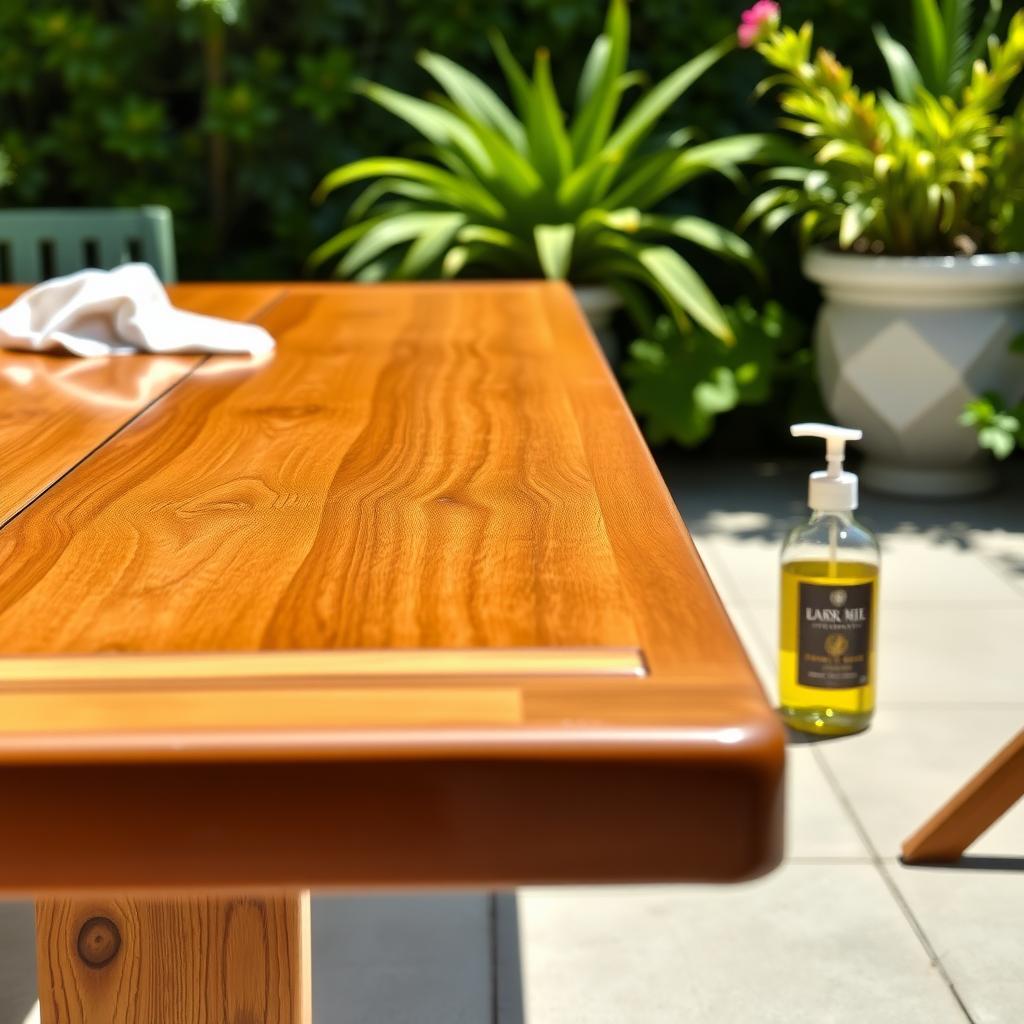
| Teak | Durable, weather-resistant | Can fade without oil | Clean with mild soap, apply teak oil yearly |
| Aluminum | Lightweight, rust-proof | Can dent or scratch | Wipe with damp cloth, avoid abrasives |
| Wicker | Stylish, flexible | Prone to cracking | Vacuum dust, clean with soapy water |
| Plastic | Affordable, low-maintenance | Fades in sun | Use UV-protectant sprays |
Understanding your furniture’s material is the first step to proper care.
Cleaning Your Outdoor Furniture
Regular cleaning prevents dirt buildup and extends furniture life. I learned this the hard way when my wicker chairs started looking grimy after a summer of neglect. Here’s how to clean different materials:
- Teak: Mix mild dish soap with warm water. Scrub gently with a soft brush, rinse, and air dry. Avoid pressure washers—they damage wood.
- Aluminum: Wipe with a damp cloth and mild detergent. Dry thoroughly to prevent water spots.
- Wicker: Vacuum loose debris, then clean with a soapy sponge. Rinse and dry in the shade to avoid cracking.
- Plastic: Use a mix of vinegar and water (1:1) to remove stains. Rinse and dry completely.
Clean your furniture every 1-2 months during the outdoor season. For tough stains, a baking soda paste works wonders on most surfaces.
Protecting Against the Elements
Weather is the biggest enemy of patio furniture. UV rays fade colors, rain causes rust, and wind carries abrasive dust. Here are my go-to protection strategies:
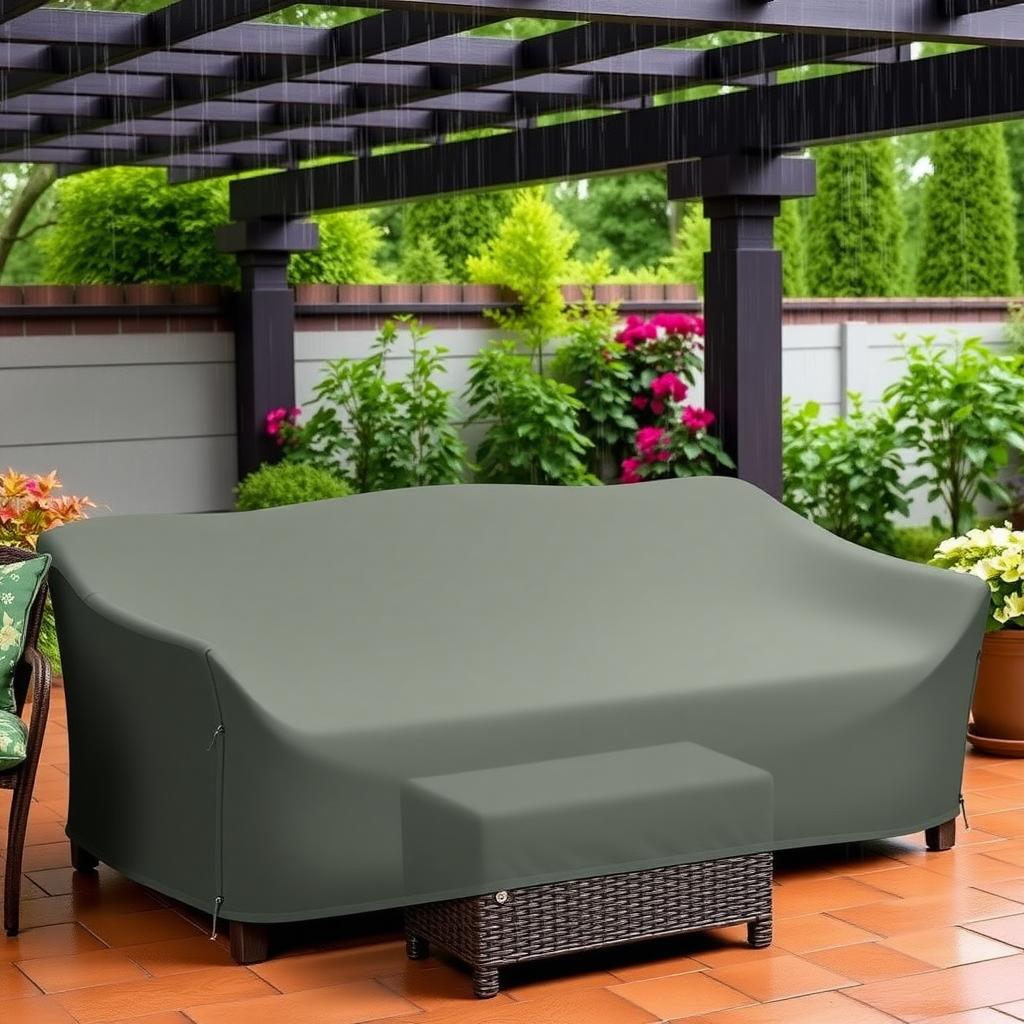
- Use Covers: Invest in high-quality, waterproof covers. I recommend breathable fabrics to prevent mold. Ensure covers fit snugly to avoid flapping in the wind.
- Apply Sealants: For wood furniture, apply a sealant or oil annually. Teak oil enhances grain and repels water. For metal, a clear coat prevents scratches.
- Store Cushions: Remove and store cushions indoors when not in use. This prevents fading and mildew.
- Shade Solutions: Place furniture under a pergola or umbrella to reduce sun exposure. I’ve seen vibrant cushions turn pale after one summer in direct sunlight.
Pro tip: Check weather forecasts and cover furniture before storms to avoid last-minute scrambling.
Seasonal Storage Tips
When winter hits, proper storage is key to longevity. I once left a metal table outside during a snowy season, and it rusted beyond repair. Here’s how to store your furniture:
- Clean First: Always clean furniture before storing to remove dirt and prevent mold.
- Dry Completely: Store only when fully dry to avoid trapped moisture.
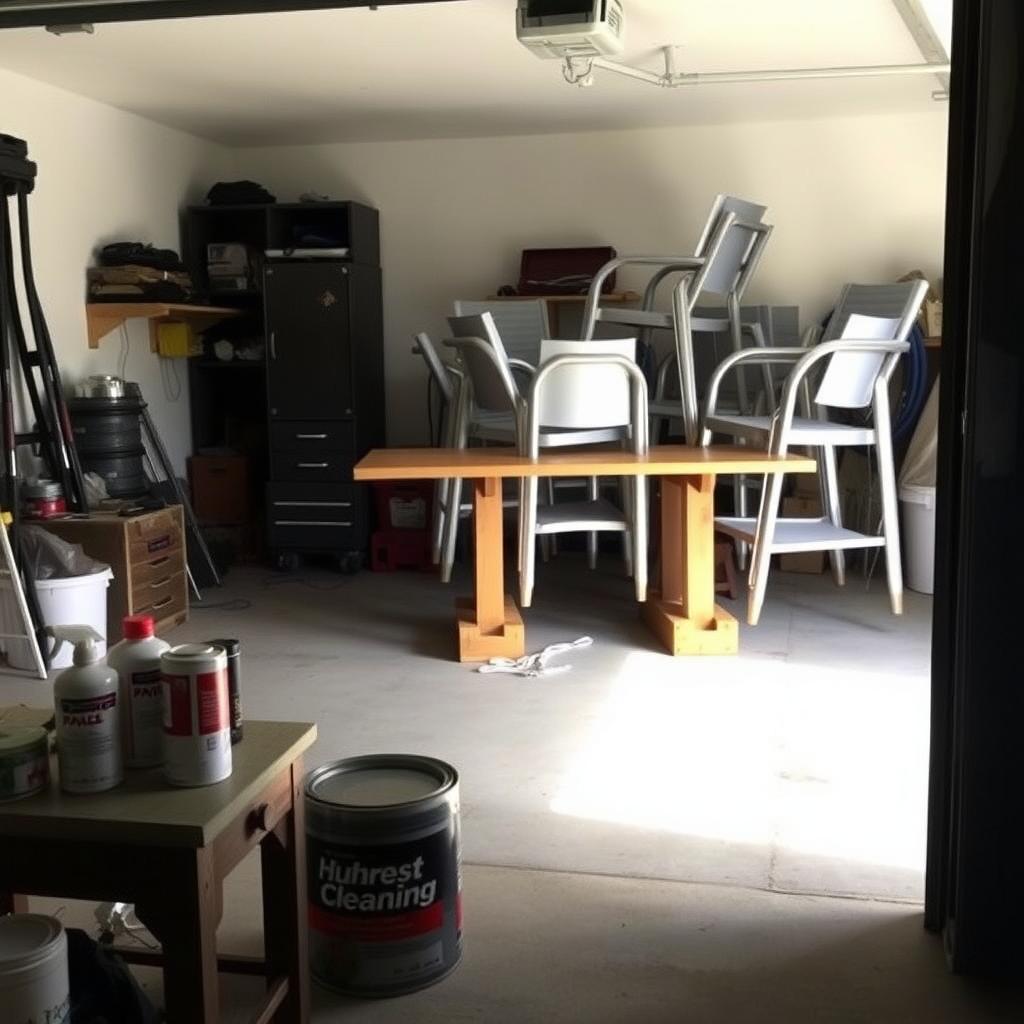
- Choose a Location: A dry, well-ventilated shed or garage is ideal. If indoor space is tight, stack furniture to save room, but use padding to prevent scratches.
- Elevate: Place furniture on blocks to avoid ground moisture.
If storage isn’t an option, use heavy-duty covers and check periodically for moisture buildup.
Repairing Minor Damage
Small issues can escalate if ignored. Here’s how to handle common problems:
- Fading Wood: Sand lightly and apply a fresh coat of sealant or oil. I restored a faded teak bench this way, and it looked brand new.
- Rust on Metal: Use a wire brush to remove rust, then apply a rust-resistant primer and paint.
- Torn Cushions: Patch small tears with outdoor fabric glue or replace cushion covers.
For bigger repairs, consult a professional to avoid further damage.
Routine Maintenance Schedule
Consistency is key. Here’s a simple schedule to keep your furniture in top shape:
- Weekly: Dust off surfaces and check for loose screws or fittings.
- Monthly: Clean thoroughly based on material type.
- Seasonally: Apply sealants, oils, or UV protectants. Inspect for damage.
- Annually: Deep clean and store for winter or refresh protective coatings.
I keep a calendar reminder for these tasks—it’s a game-changer for staying on track.
Choosing Long-Lasting Furniture
Prevention starts with smart purchases. When shopping for unique patio furniture pieces, prioritize quality. Look for weather-resistant materials like teak, powder-coated aluminum, or UV-resistant wicker. Check reviews for durability—my best find was a teak set that’s lasted a decade with minimal upkeep. Investing in quality upfront reduces maintenance headaches later.
Eco-Friendly Maintenance Tips
Sustainability matters. Use eco-friendly cleaners like vinegar or biodegradable soaps instead of harsh chemicals. Repurpose old cushions by reupholstering instead of buying new ones. Donate or recycle furniture you no longer need. These small steps reduce waste and keep your patio green in every sense.
Summary
Maintaining outdoor furniture doesn’t have to be overwhelming. By understanding your furniture’s material, cleaning regularly, protecting against weather, and storing properly, you can extend its life significantly. Follow the Guide to Maintaining Outdoor Furniture for Longevity to keep your patio furniture looking stunning season after season. With a little care, your unique patio furniture pieces will remain the heart of your outdoor space for years.