


Featured Post
Dining Furniture Layout Tips for a Functional and Stylish Space
Overview
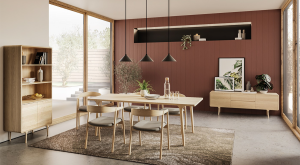
Creating a welcoming dining area starts with smart furniture layout choices. Whether you’re working with a cozy apartment or a spacious open-plan home, these dining furniture layout tips will help you maximize space, boost functionality, and elevate style. Let’s dive into practical ways to make your dining set shine.
Why Dining Furniture Layout Matters
The dining room is more than a place to eat—it’s where memories are made, from family dinners to lively gatherings with friends. A well-planned layout ensures comfort, encourages conversation, and makes every meal feel special. Poor furniture arrangement, on the other hand, can make a space feel cramped or awkward.
In my own home, I once squeezed a large dining set into a tight corner, thinking it would ‘fit.’ The result? Guests bumped elbows, and the room felt chaotic. That experience taught me the value of thoughtful planning. These dining furniture layout tips draw from real-life lessons and expert advice to help you avoid similar mistakes.
1. Assess Your Space Before Choosing a Dining Set
Before buying a dining set, measure your space carefully. Consider the room’s dimensions, doorways, and traffic flow. A common mistake is choosing a table that’s too large, leaving little room for movement.
Quick Tip: Leave at least 36 inches between the table and walls or other furniture for comfortable movement. If you’re tight on space, a round or extendable table can be a game-changer.
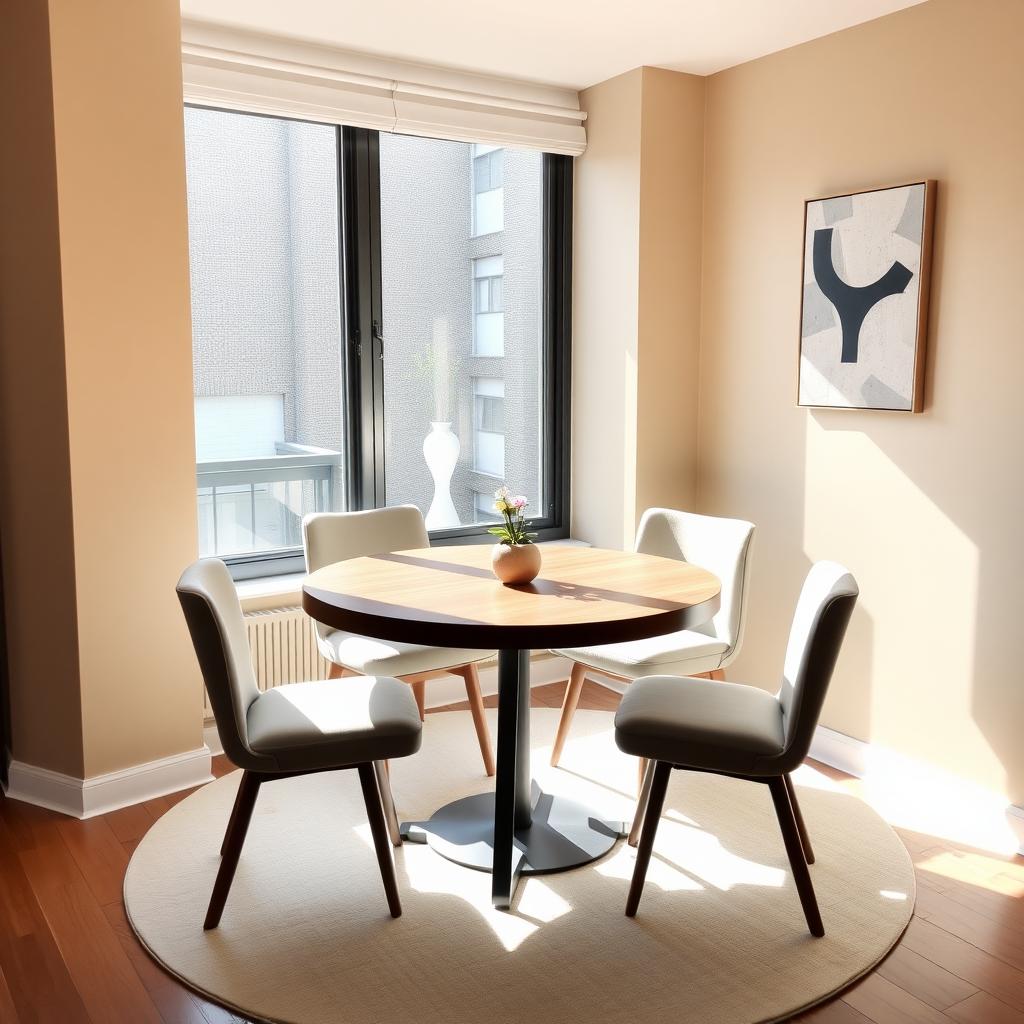
In my apartment, I opted for a round table that seats four but expands for guests. It’s versatile and doesn’t overwhelm the room. Measure twice, buy once—it’s a rule that saves headaches.
2. Choose the Right Dining Set for Your Needs
Your dining set should match your lifestyle. Do you host large dinner parties, or is it mostly family meals? A large rectangular table suits frequent entertainers, while a smaller square or round set works for intimate gatherings.
Here’s a quick guide to table shapes: | Shape | Best For | Space Needs | |-----------|--------------|-----------------| | Round | Small spaces, casual dining | 4–6 feet diameter | | Rectangular | Large groups, formal settings | 6–10 feet long | | Square | Small groups, modern vibes | 4–5 feet wide |
Consider materials too. Wood feels warm and timeless, while glass or metal adds a modern edge. I once chose a glass table for its sleek look, but smudges from kids’ hands sent me back to wood. Pick what fits your daily life.
3. Optimize Traffic Flow
A good dining furniture layout keeps movement easy. Ensure there’s enough space for people to pull out chairs and walk around without tripping. If your dining area connects to a kitchen or living room, create clear pathways.
One trick I learned is to avoid placing chairs directly in front of doorways or high-traffic areas. In my current home, I angled the table slightly to create a natural walkway to the kitchen. It’s a small tweak that makes a big difference.
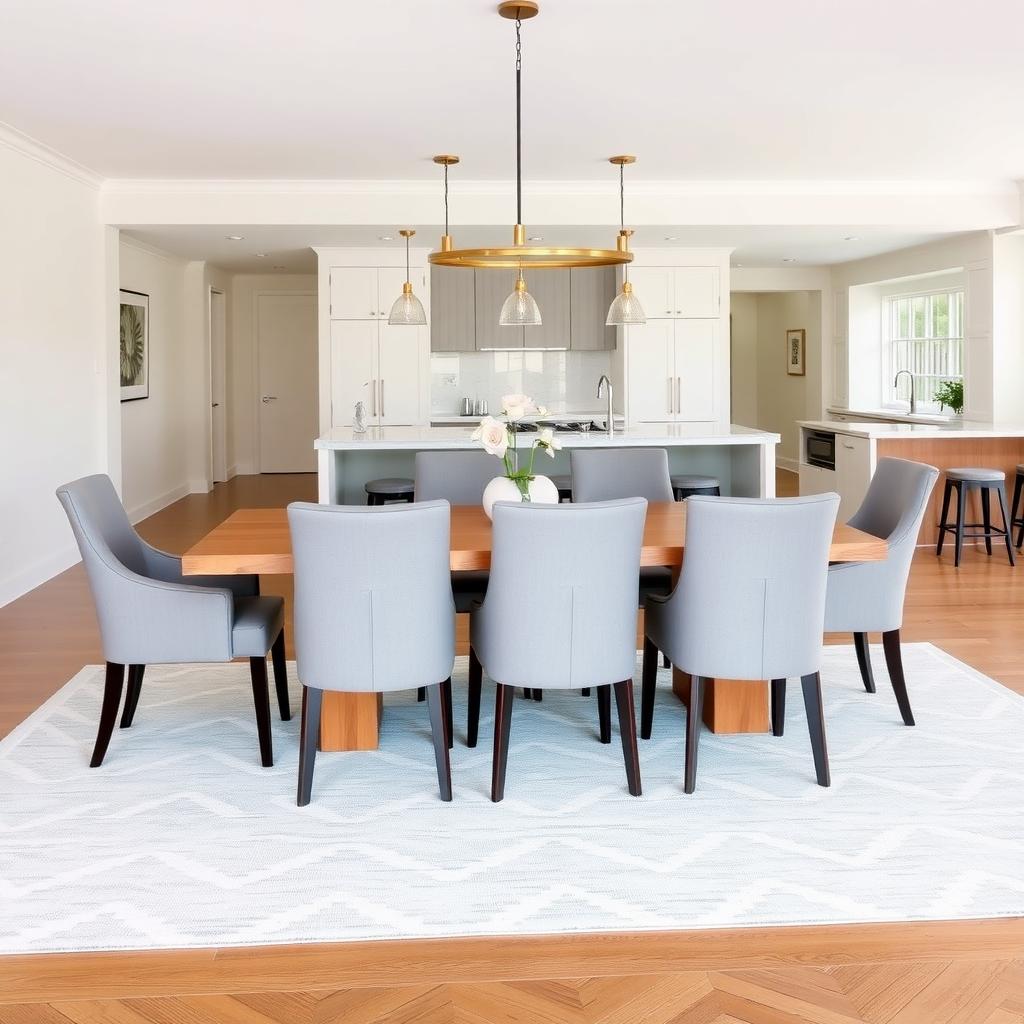
Pro Tip: If you have an open-plan space, use a rug under the dining set to define the area without blocking flow.
4. Balance Style and Comfort
A dining set should look great but also feel inviting. Cushioned chairs encourage lingering conversations, while sleek designs keep things stylish. Mix and match for personality—pair a rustic table with modern chairs, or vice versa.
I once mixed vintage wooden chairs with a contemporary table, and the contrast sparked compliments at every dinner party. Don’t be afraid to experiment, but ensure chairs are comfortable for long meals. Test them out before buying—your guests will thank you.
5. Lighting Sets the Mood
Lighting can make or break your dining experience. Overhead fixtures like chandeliers or pendant lights create a focal point, while dimmable options let you adjust the ambiance.
In my dining room, I installed a dimmable chandelier, which shifts the mood from bright family dinners to cozy date nights. Position lighting directly above the table to avoid shadows. If you’re renting, floor lamps or table lamps can add warmth without permanent changes.
For inspiration, check out lighting guides from sources like Architectural Digest.
6. Maximize Small Spaces
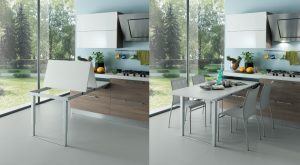
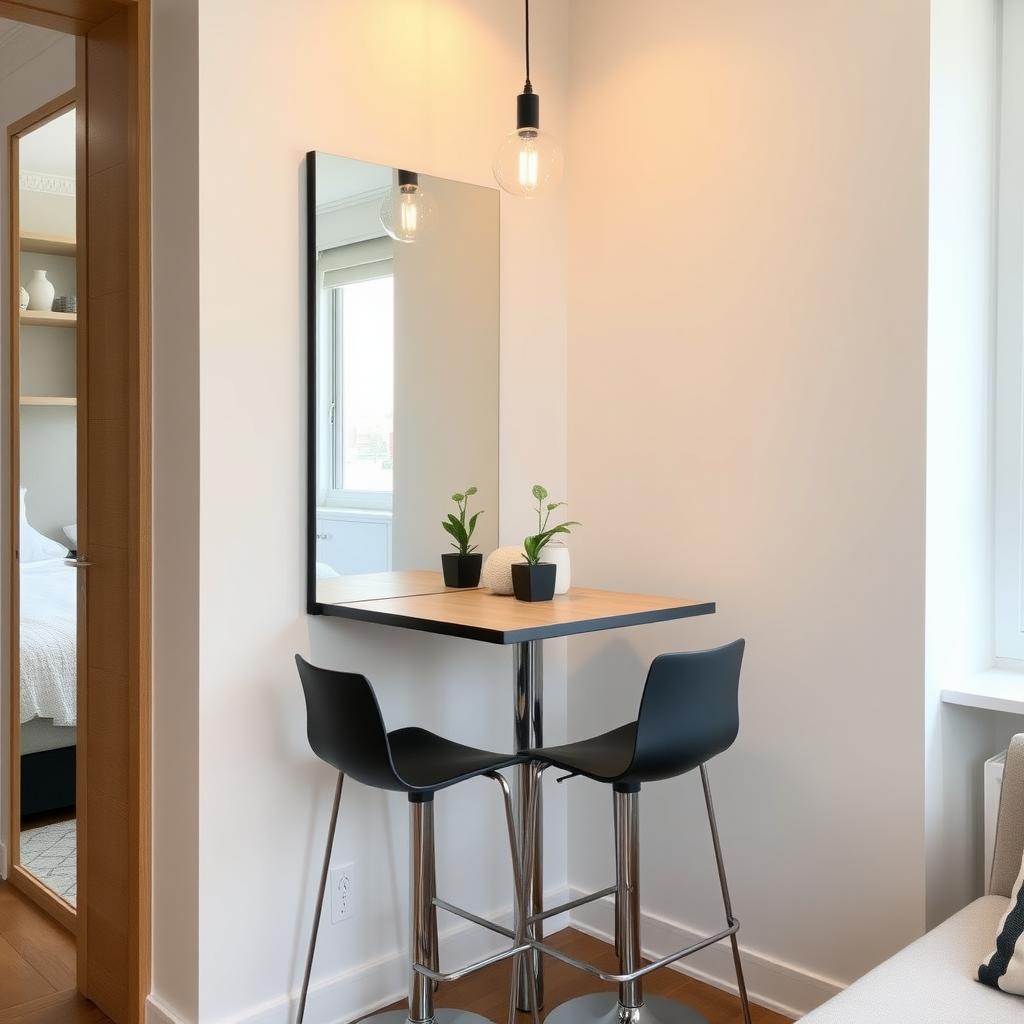
Small dining areas can still be functional and stylish. Consider these dining furniture layout tips for compact spaces: - Use benches: They tuck under the table and save space. - Wall-mounted tables: Fold them down when not in use. - Mirrors: They reflect light and make the room feel larger.
In my first apartment, a wall-mounted table doubled as a desk. It was a lifesaver for both work and meals. Multifunctional furniture is key in tight spaces.
7. Add Personal Touches
Your dining area should reflect your personality. A centerpiece, like a vase of fresh flowers or a bowl of seasonal fruit, adds warmth. Wall art or a gallery wall can tie the space together.
I love rotating centerpieces based on the season—pinecones in winter, bright blooms in spring. It keeps the space fresh without breaking the bank. Avoid clutter, though—too many decorations can make the table feel cramped.
8. Test and Adjust Your Layout
No layout is perfect on the first try. After setting up your dining set, test it out. Host a small dinner or sit down with family to see how it feels. Can everyone move comfortably? Is the table too crowded?
After rearranging my dining room twice, I found the sweet spot by pushing the table slightly off-center to open up the room. Don’t be afraid to tweak things over time.
Summary
A well-planned dining furniture layout transforms your space into a hub for connection and comfort. By assessing your space, choosing the right dining set, optimizing flow, and adding personal touches, you can create a dining area that’s both functional and beautiful. Experiment, test, and make it your own.