




Featured Post
Small Space Living: Furniture That Works Harder
Overview
Living in a small space doesn’t mean sacrificing style or comfort. With the right furniture, you can make every square foot work harder. Small Space Living: Furniture That Works Harder explores how multifunctional pieces, like futons and storage beds, transform cramped quarters into efficient, beautiful homes. Let’s dive into practical solutions that maximize space without compromising personality.
Why Small Space Living Matters
Urban apartments, tiny houses, and cozy studios are on the rise. According to a 2023 Zillow report, over 30% of U.S. renters live in spaces under 600 square feet. These homes demand furniture that does more than one job. A chair isn’t just a chair—it’s storage, a desk, or even a bed. My first apartment, a 400-square-foot studio, taught me this firsthand. I needed furniture that could adapt to my daily needs while keeping the space open and inviting.
The key is choosing pieces that are versatile, compact, and stylish. For example, a futon isn’t just a couch—it’s a guest bed. Add customizable futon covers for unique styles, and it becomes a statement piece that reflects your personality. Let’s explore how to pick furniture that pulls double (or triple) duty.
Multifunctional Furniture: The Heart of Small Space Living
Multifunctional furniture is a game-changer. These pieces save space, reduce clutter, and keep your home functional. Here are some top picks:
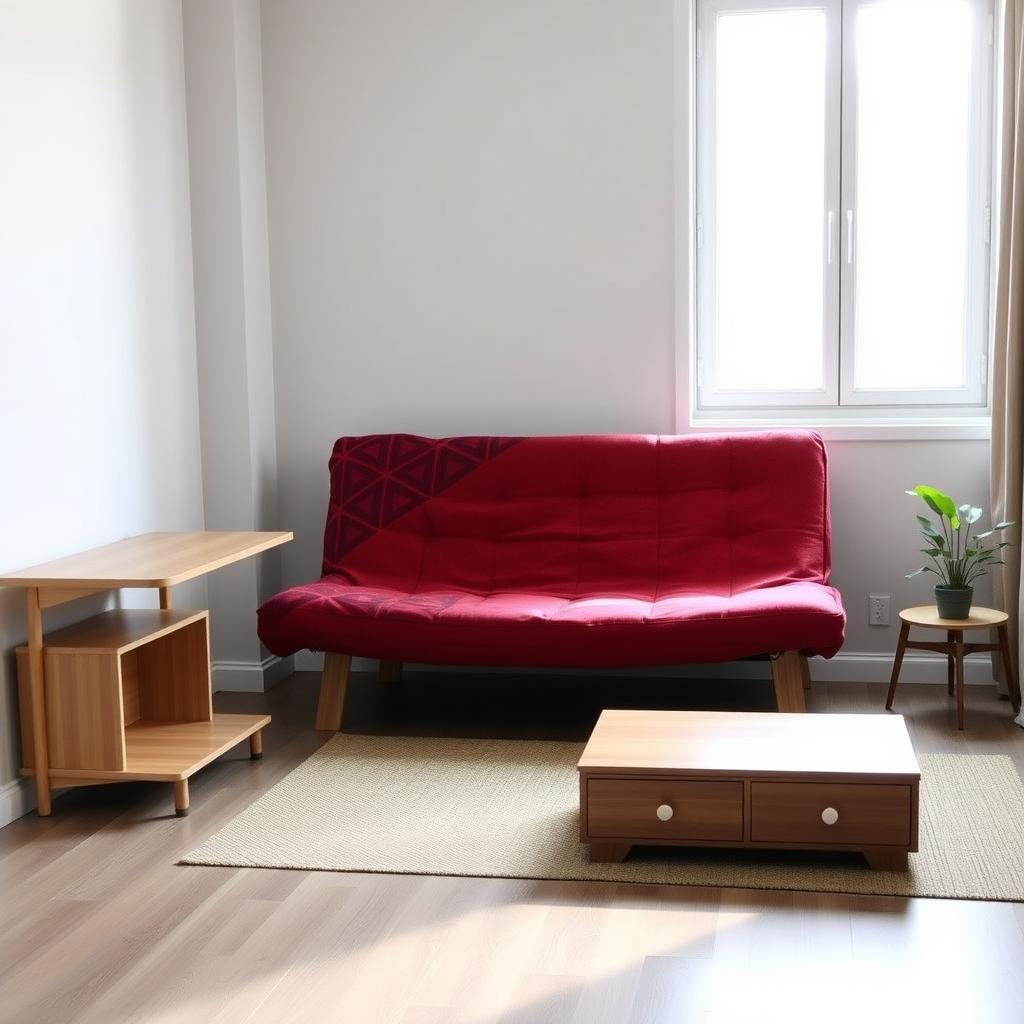
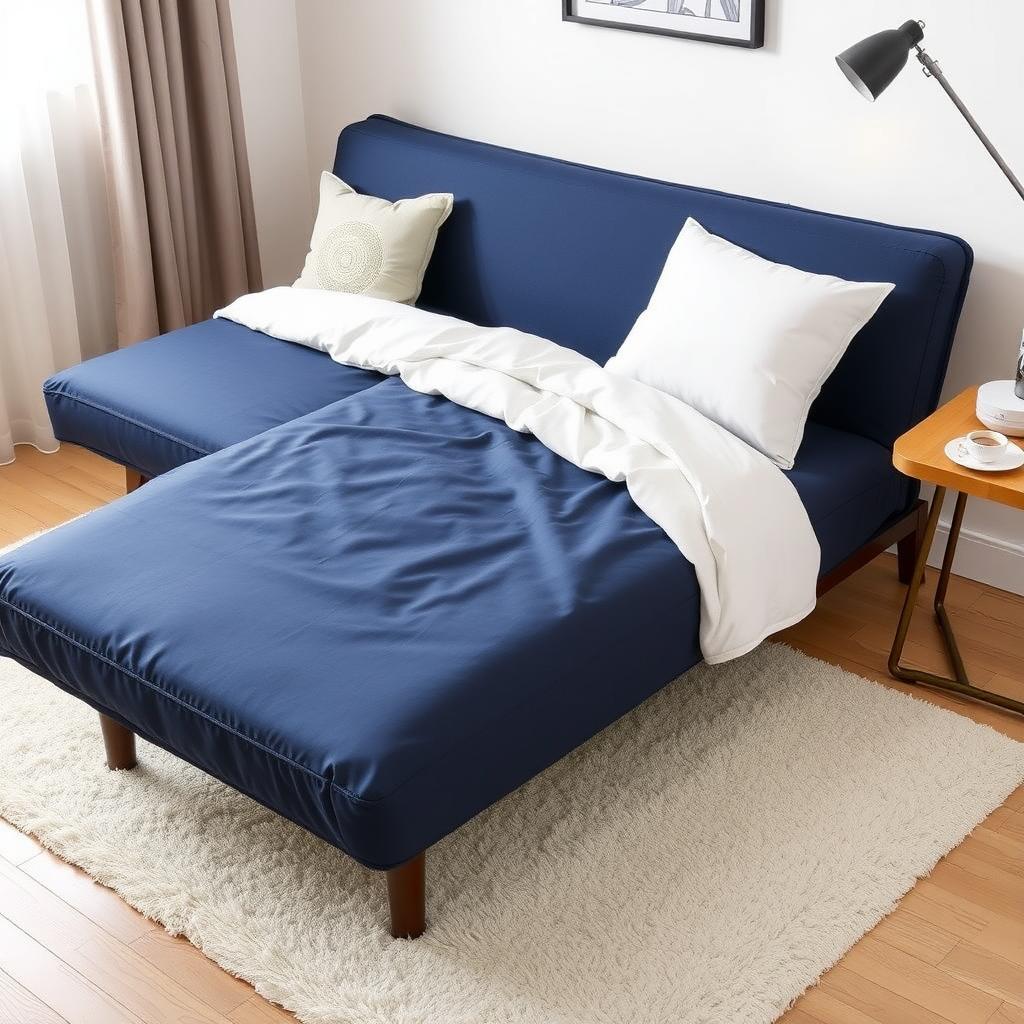
- Futons: A futon is a sofa by day and a bed by night. They’re affordable, versatile, and perfect for guests. I once hosted a friend for a week in my tiny studio, and a futon saved the day. Customizable futon covers for unique styles let you switch up the look without buying new furniture.
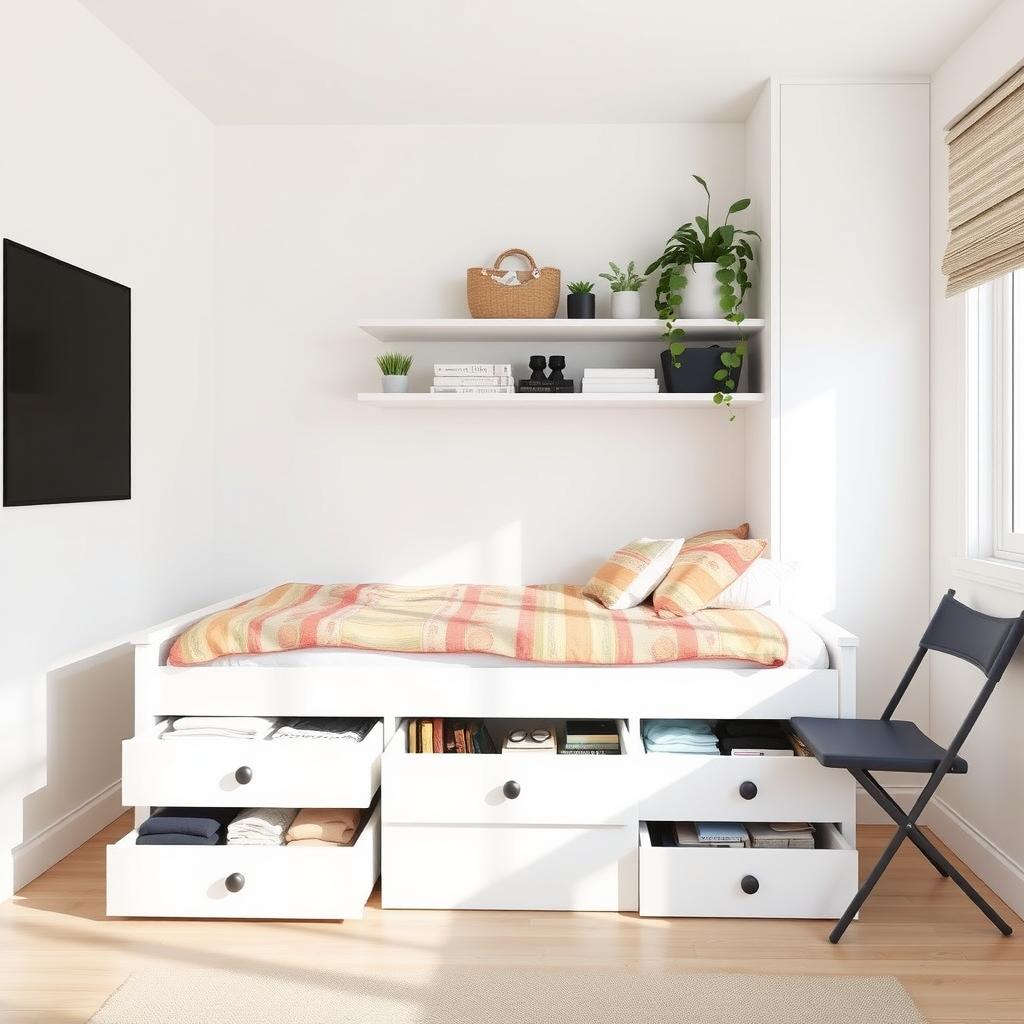
- Storage Beds: Beds with built-in drawers or shelves underneath are a lifesaver. I stored blankets, clothes, and even books under mine, freeing up closet space.
- Nesting Tables: These stackable tables slide under each other when not in use. They’re great for entertaining or as side tables.
- Foldable Desks: Wall-mounted desks fold away when you’re done working, giving you back floor space.
When shopping, prioritize pieces that serve at least two purposes. Ask yourself: Does this save space? Can it adapt to my needs?
Choosing the Right Futon
Futons are a small-space staple. They’re affordable, flexible, and come in countless styles. But not all futons are created equal. Here’s what to consider:
| Feature | Why It Matters | Tip |
|---|---|---|
| Size | Must fit your space when folded and unfolded | Measure your room and check dimensions |
| Frame | Durability affects lifespan | Opt for hardwood or metal frames |
| Mattress | Comfort is key for sitting and sleeping | Test for firmness; memory foam is a great choice |
| Cover | Style and maintenance matter | Choose customizable futon covers for unique styles that are washable |
I learned this the hard way when my first futon’s flimsy frame broke after a year. Invest in quality—it pays off. Websites like Wayfair offer a range of futons with reviews to guide your choice.
Maximizing Space with Smart Layouts
Furniture placement is as important as the furniture itself. In my studio, I pushed my futon against the wall to create an open pathway. Here are some layout tips:
- Use Vertical Space: Wall shelves or tall bookcases add storage without eating floor space.
- Create Zones: Divide your space into areas for sleeping, working, and relaxing. A rug or furniture arrangement can define these zones.
- Keep It Open: Avoid blocking windows or pathways. Natural light makes small spaces feel bigger.
- Fold and Stow: Choose furniture that folds or tucks away, like a drop-leaf table or a futon.
I once rearranged my apartment based on a tip from Apartment Therapy, placing my bed near the window for morning light. It transformed the room’s vibe.
Personalizing Your Space
Small spaces can still reflect your style. Customizable futon covers for unique styles are a budget-friendly way to add personality. I swapped my futon cover for a bold teal one, and it instantly changed the room’s mood. Mix textures—think linen covers with wool throws—or play with patterns like geometric or floral designs. Small accents, like colorful pillows or a quirky lamp, also go a long way without cluttering.
Storage Hacks to Complement Your Furniture
Storage is the secret weapon of small space living. Here are some ideas:
- Under-Furniture Storage: Use bins or baskets under beds, futons, or tables. I stored my winter clothes in flat bins under my bed.
- Multi-Use Ottomans: Ottomans with hidden compartments are perfect for blankets or books.
- Wall Hooks: Hooks for bags, hats, or even bikes keep floors clear.
- Stackable Crates: Wooden or plastic crates double as shelves or tables.
A friend recommended The Container Store for storage solutions, and their modular bins helped me organize my closet chaos.
Budget-Friendly Tips
Furniture for small spaces doesn’t have to break the bank. Shop secondhand on platforms like Craigslist or Facebook Marketplace for deals on futons or tables. Look for sales at retailers like IKEA, which specializes in compact designs. If you’re crafty, DIY customizable futon covers for unique styles by sewing your own from affordable fabrics. I made a cover from a clearance curtain, and it looked custom-made.
Common Mistakes to Avoid
Small space living has its pitfalls. Here’s what to watch out for:
- Overbuying Furniture: Too many pieces make a room feel cramped. Stick to essentials.
- Ignoring Scale: Oversized furniture overwhelms small spaces. Measure everything.
- Skipping Decluttering: No matter how smart your furniture is, clutter kills the vibe. I purge unused items every six months.
- Forgetting Comfort: A futon might look cool, but if it’s uncomfortable, you’ll regret it.
Learning these lessons made my small apartment feel like a home, not a storage unit.
Summary
Small Space Living: Furniture That Works Harder is about making every inch count. Multifunctional pieces like futons, storage beds, and foldable desks save space and add style. With customizable futon covers for unique styles, you can personalize without clutter. Thoughtful layouts, smart storage, and a decluttered mindset turn tiny spaces into functional, inviting homes.